2025 CUNY Adjunct Incubator Projects
In 2025-2026, the CUNY Adjunct Incubator awarded grants to 11 CUNY adjuncts from at least 9 CUNY colleges to develop a wide range of public and applied projects in the arts, humanities, and humanistic social sciences.
Investigating the Intersection of Housing & Immigration
Hannah Weiss
(Hunter College, Urban Planning and Policy, and the Macaulay Honors College)
This project examines how immigration status shapes housing insecurity and access to justice in New York City. Focusing on undocumented immigrants, it highlights the risks of unsafe or informal housing, as seen in fatalities during Hurricane Ida, and the barriers to accessing disaster relief and tenant protections. While programs like Right to Counsel improve eviction outcomes, many immigrants avoid Housing Court due to fear of exposure, surveillance, and immigration enforcement. This reluctance leaves them vulnerable to unsafe conditions and landlord abuse. Through research and firsthand accounts, the project reveals systemic gaps and calls for more inclusive housing policies that better protect marginalized communities.

Where Europe Starts: Interviews with Seven Migrants from Africa and the Middle East who Crossed the Białowieża Forest to Seek Asylum in the E.U.
Tusia Dabrowska
(Design, Queens College; Film Studies, John Jay College)
This project documents the migration crisis along the Polish-Belarusian border, focusing on migrants crossing the Białowieża Forest to seek asylum in the European Union. Supported by the CUNY Adjunct Incubator, filmmaker Tusia Dabrowska expanded her work beyond aid volunteers to include firsthand migrant testimonies from Africa and the Middle East. Through interviews across multiple European cities, the project reveals the physical dangers, political barriers, and emotional toll of migration, as well as the limits of humanitarian aid. The resulting video essay combines these narratives with observations of local communities, aiming to deepen public understanding and contribute to the historical record of this ongoing crisis.

All Is Not Lost ∞ Noguchi near Milton in Queens
Seth Fein
(Brooklyn College, Film, including at its Feirstein Graduate School of Cinema; and LaGuardia Community College)
All Is Not Lost ∞ is a documentary essay exploring art, history, and gentrification in Long Island City, Queens, through the legacies of Isamu Noguchi and Joseph Cornell. This project, sparked by a fragment of graffiti quoting John Milton, the film traces connections between industrial pasts and cultural presents across four parts. It examines shifting urban landscapes, from factories to museums and commercial spaces, alongside contrasting migrations shaped by gentrification. Incorporating sites like LaGuardia Community College, the project reflects on memory, erasure, and documentation, arguing that fragments of the past persist through observation, interpretation, and creative practice.

Well-being and Resilience: Mental Health and Stress Management Workshop Series
Naziat Hassan
(Queensborough Community College)
This project presents a three-part Mental Health and Stress Management Workshop Series led by Naziat Hassan, designed to address anxiety, stress, and mental health stigma in diverse communities. Supported by CUNY partners, the workshops provided psychoeducation on the science of stress, recognition of symptoms, and practical coping strategies such as breathing and grounding techniques. Hosted across community and campus settings, the series reached over 80 participants, including students and working adults. By promoting open dialogue, early help-seeking, and awareness of counseling resources, the project fostered community support and resilience while working to reduce stigma and encourage proactive approaches to mental and emotional well-being.

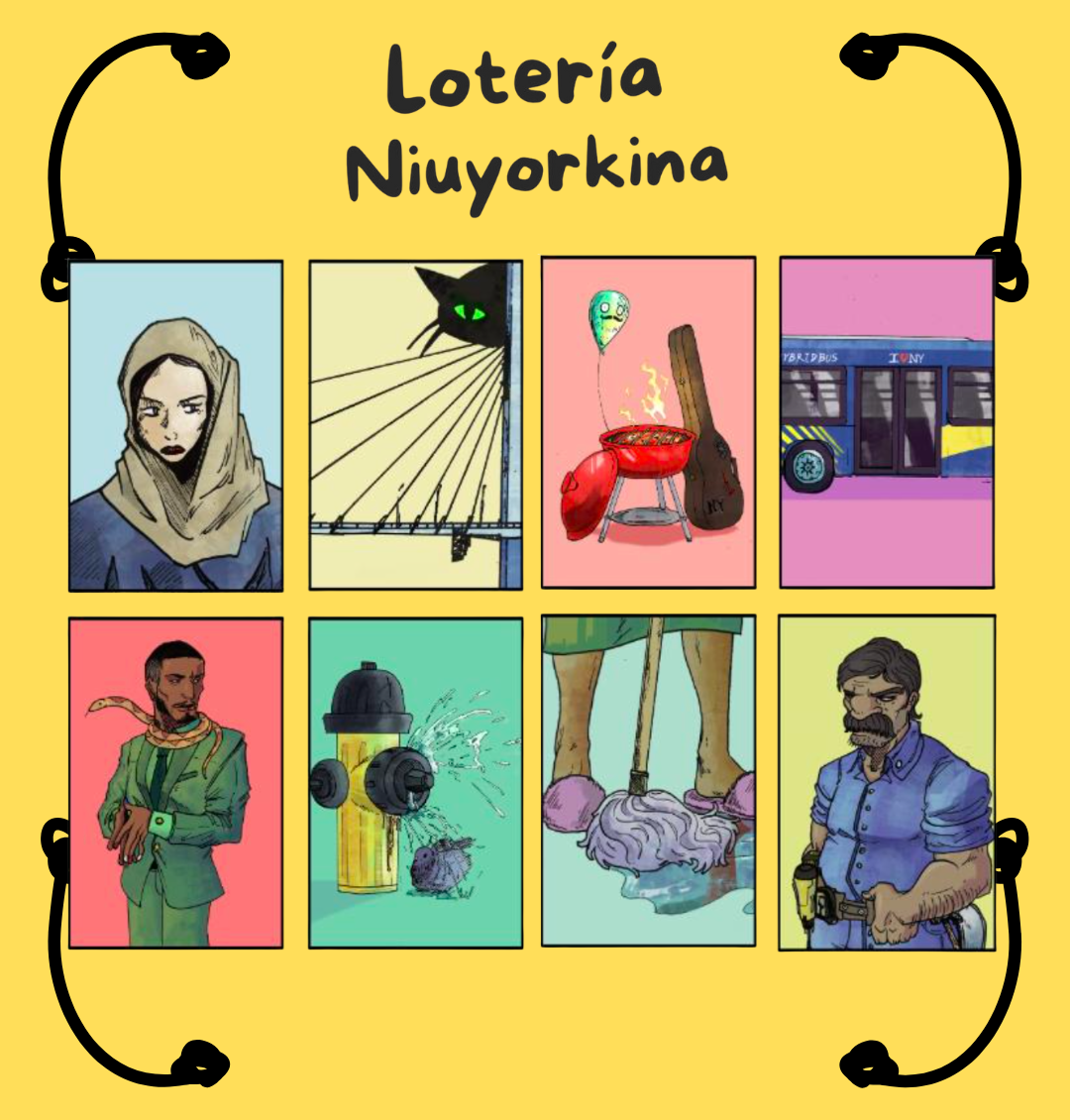
La Lotería Niuyorkina: A pedagogical toolkit to explore Spanish varieties through the Linguistic Landscape
Diana Higuera Cortes
(Lehman College, Spanish; Queens College, Latinx Studies)
La Lotería Niuyorkina is an educational game developed by Diana Higuera-Cortés and illustrated by a Queens College junior student, Mateo Oldenburg, to support Spanish heritage language students in exploring New York City’s linguistic landscape. This project, inspired by the traditional Lotería, incorporates student-generated Spanglish terms, cultural references, and local experiences. Illustrated collaboratively, the game highlights Latinx identity, language diversity, and community knowledge. Designed as an open educational resource, it includes lesson plans and free materials accessible online, reducing costs for students and instructors. The project challenges traditional language hierarchies while fostering reflection on bilingualism, identity, and the longstanding presence of Spanish in the United States. Over 60 people came together to celebrate the game’s launch; check out a recap and photos from this wonderful event here.

Ghost Notes: A Journaling Practice for Taiwanese American Autoethnography
Joy Liu and Alex Ho
(Borough of Manhattan Community College, or BMCC)
Ghost Notes is a collaborative project by Joy Liu and Alex Ho that explores Taiwanese American identity through autoethnography, oral history, and artmaking. Drawing on themes of “haunting” inspired by works like Haunted Modernities: Gender, Memory, and Placemaking in Postindustrial Taiwan, the project examines memory, diaspora, and intergenerational connection. Through dialogue and reflection, the authors developed a journaling practice using prompts framed as questions to ancestors, inspired by rituals such as joss paper burning. The resulting workbook encourages creative, tactile exploration of personal and collective histories, offering an accessible pedagogical tool for students and others engaging with race, identity, and diasporic experience.

Syrian Culinary Superstitions
Alice Kallman
(Mina Rees Library, CUNY Graduate Center)
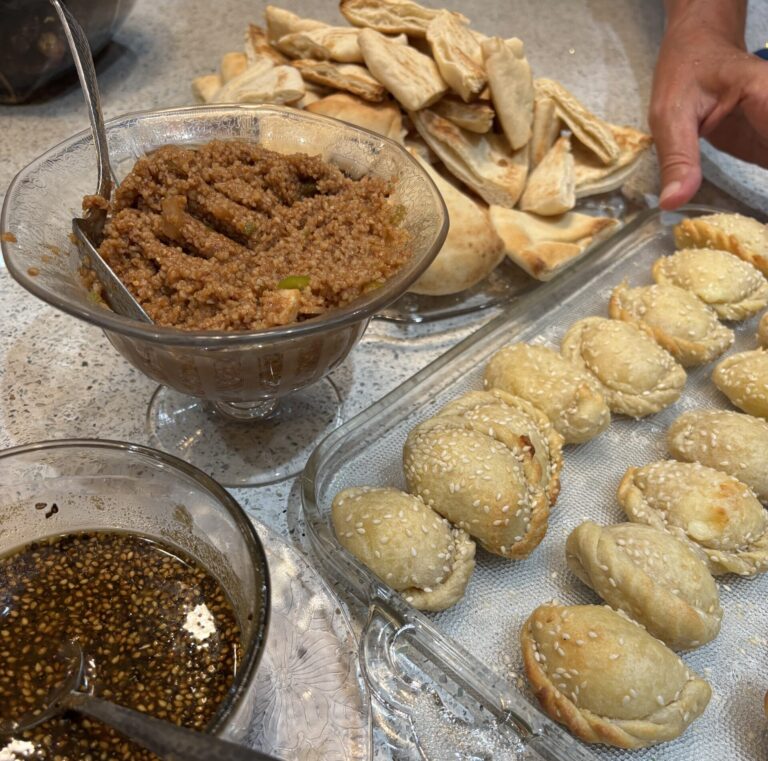
This project explores Syrian superstitions through interviews with a diverse range of Syrians living in diaspora, including Jewish, Muslim, and mixed-heritage individuals. Combining oral histories with textual research, Alice Kallman examines how beliefs, such as the evil eye, ritual uses of salt, and cultural practices around food and language, vary across religious and regional lines. The project also traces historical influences, including Ottoman and religious traditions, on these practices. Findings were shared through a multimedia dinner showcasing audio, art, and traditional dishes. Ultimately, the work highlights the complexity of Syrian cultural identity and aims to challenge simplified national narratives through ethnographic research.
Participatory Research in Social Justice at Guttman Community College
Jerald Isseks
(Guttman Community College)
This project integrates participatory action research (PAR) into first-year American Studies courses at Guttman Community College, culminating in student-led research addressing community issues. Supported by a CUNY Adjunct Incubator Award, Jerald Isseks‘ initiative strengthened program structure and enabled a campus showcase of student work. While PAR aims to center student voice and agency, its implementation in required courses raises questions about choice, authority, and authenticity. In response, the project emphasizes clear guidance, collaboration, and public engagement. Students produced work on topics such as migration, gentrification, and civic disillusionment, gaining confidence, critical awareness, and a stronger sense of purpose in their academic and community lives.
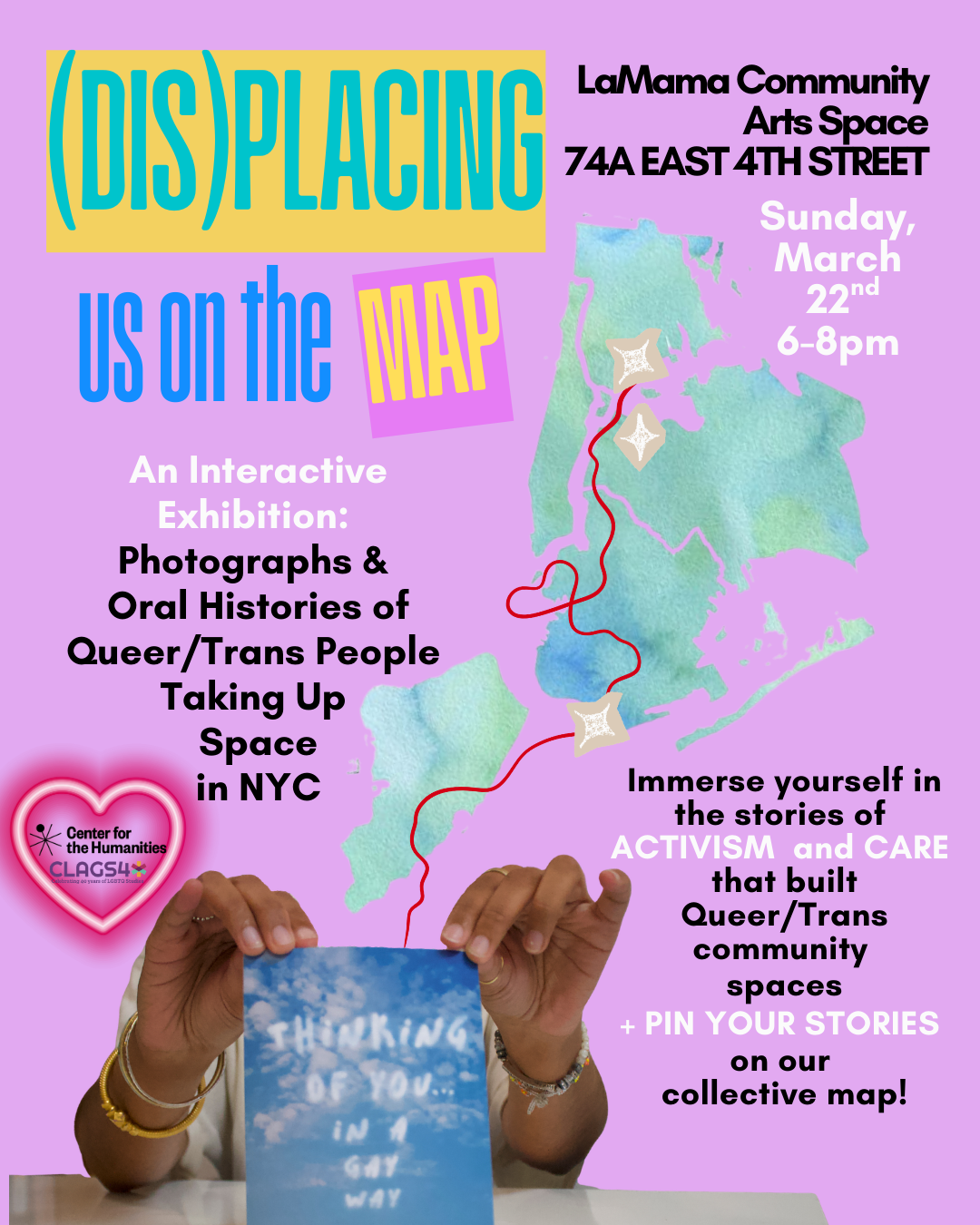
(Dis)Placing Us On The Map: An Interactive Exhibition of LGBTQIA+ Spaces
Natalie Willens
(LaGuardia Community College)
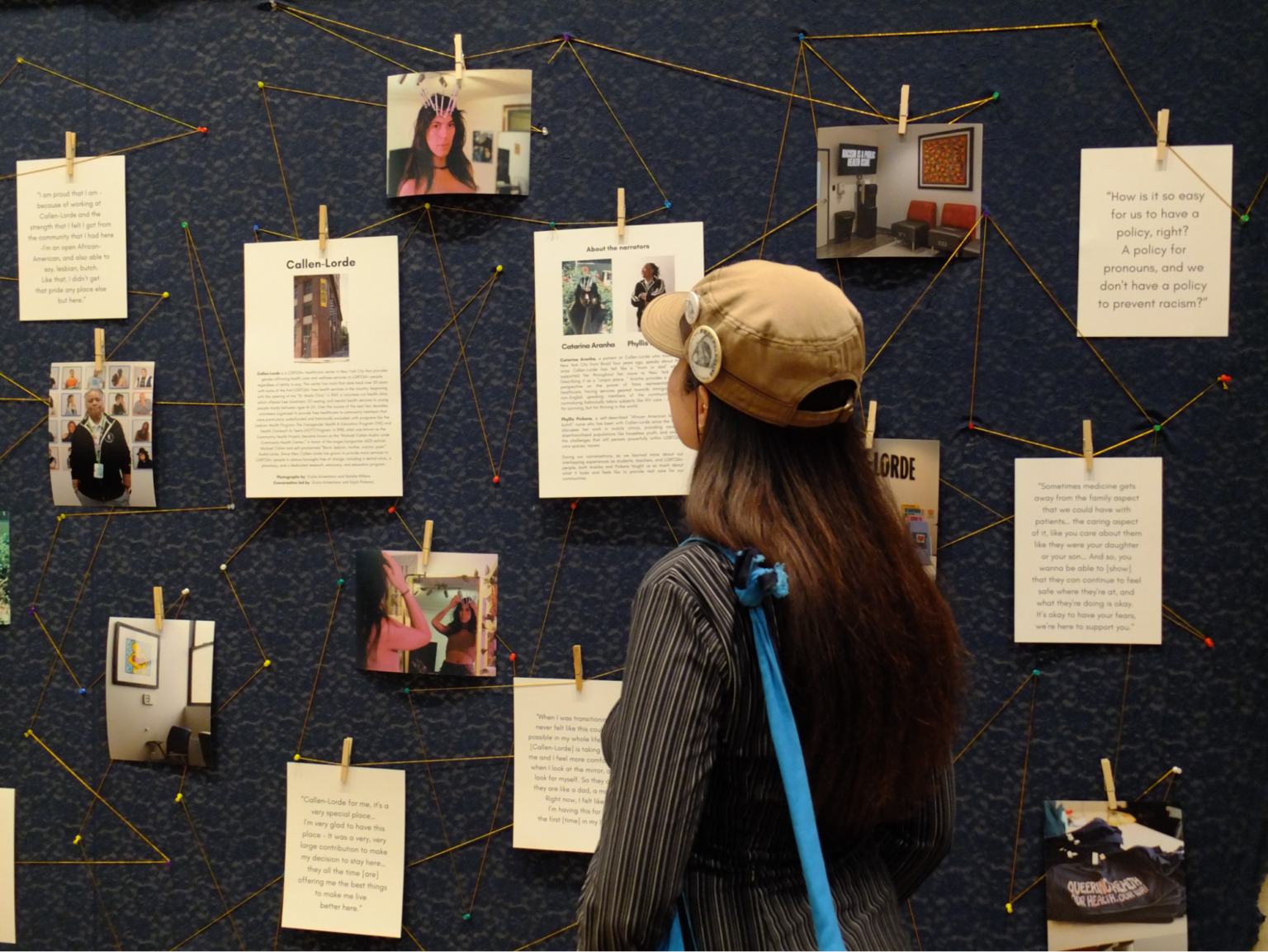
“(Dis)Placing Us On The Map” is an interactive exhibition showcasing photographs and oral histories created by LaGuardia Community College students documenting LGBTQIA+ spaces in New York City. Highlighting organizations such as Queer | Art, National Queer Theater, Queens Community House, and Callen-Lorde, the project explores themes of care, activism, and community resilience. Visitors actively contribute by mapping meaningful spaces and sharing reflections, transforming the archive into a living, participatory dialogue that honors past and present while imagining future LGBTQIA+ spaces.
Enhancing Media Literacy Skills in the Digital Age
Desislava Zagorcheva
(LaGuardia Community College)
This project advances media literacy education through an interdisciplinary Faculty Seminar at CUNY, led by Desislava Zagorcheva. Supported by the CUNY Adjunct Incubator Grant, the initiative brings faculty together to address disinformation, information overload, and critical thinking in the digital age. Participants develop classroom strategies, assignments, and resources to help students evaluate sources and engage responsibly with media. The project also fosters collaborations with experts and contributes to a forthcoming open-access media literacy website. Through conference presentations and partnerships with organizations like the Council on Foreign Relations, the work expands its impact on teaching, research, and public scholarship.

Related Events
Exhibition
(Dis)Placing Us On The Map: An Interactive Exhibition of LGBTQIA+ Spaces
Community Gathering & Celebration
La Lotería Niuyorkina: An Educational Game to Explore the City’s Linguistic Landscape
Support
The CUNY Adjunct Incubator is co-sponsored by the Center for the Humanities and the Gittell Urban Studies Collective at The Graduate Center, CUNY. The Center for the Humanities thanks the Sylvia Klatzkin Steinig Fund for their generous support.