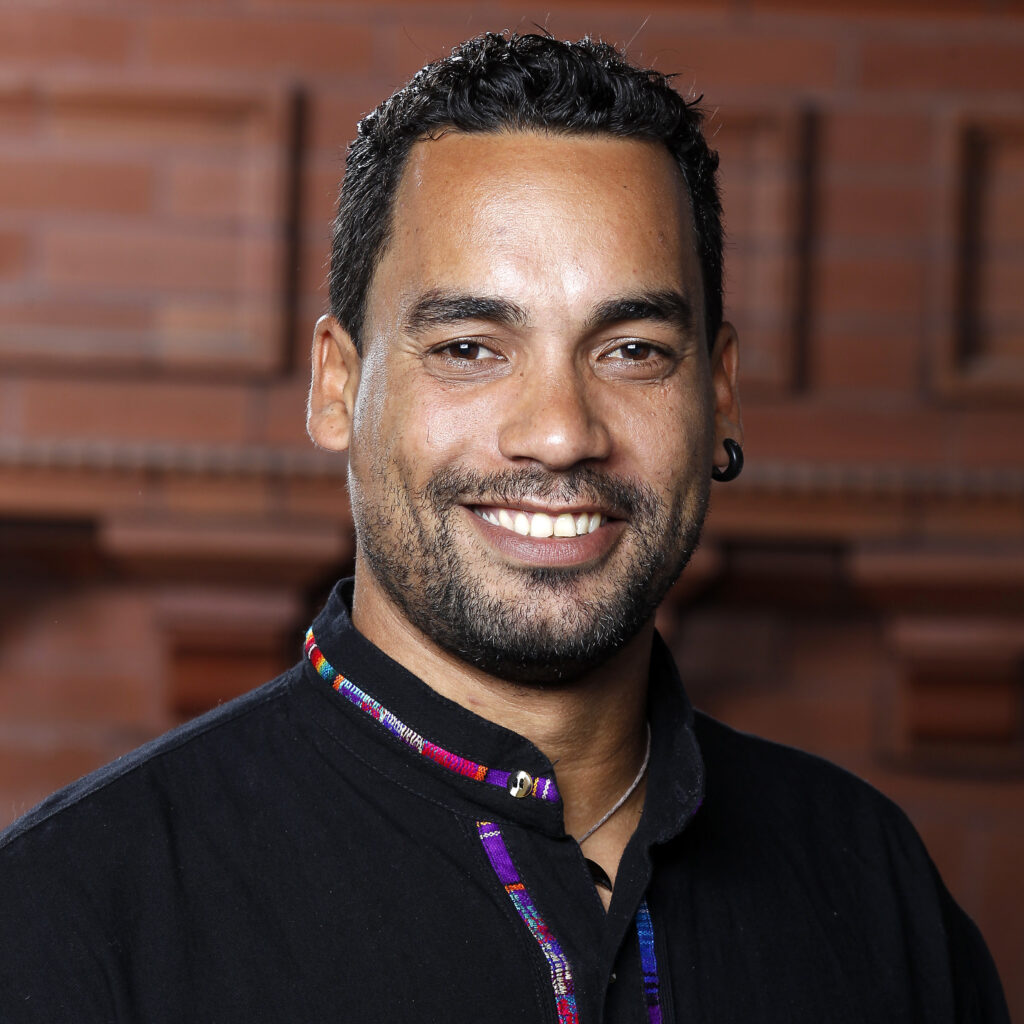
“CUNY’s 25 campuses, over 240,000 students, and world-class faculty represent a deep reservoir of resources that will take NYC-EJA, our members, and campaigns to the next level of climate advocacy — and not a moment too soon, as everyone sees the escalating threats of climate change mount.”
Eddie Bautista (NYC-EJA Executive Director; NYC Climate Justice Hub Co-Director
About Us
The NYC Climate Justice Hub (the Hub) is a three-year old partnership between the New York City Environmental Justice Alliance (NYC-EJA) and the City University of New York (CUNY). We connect NYC’s underserved, working-class communities most burdened by the effects of climate change to environmental research and education resources at CUNY. The Hub serves as a conduit through which CUNY professors, students, and other resources are effectively channeled to meet the needs of environmental/climate justice communities and their revolutionary, evolutionary agendas.
With the creation of the NYC Climate Justice Hub, CUNY and NYC-EJA aim to highlight and reduce the adverse, disproportionate effects of climate change on low-income communities of color. At the same time, the Hub must reckon with the history of environmental racism, capitalism, and colonialism in the nation that has seeded these injustices and disparities, starting with the seizure of land from its indigenous stewards by European colonizers. The Hub recognizes that all 25 CUNY campuses and 13 NYC-EJA member organizations rest on land originally stolen from the Ramapough-Lenape people and developed by Black and Brown people from nations around the world who were—and continue to be—exploited for their labor.
It is the responsibility of the Hub to ensure that climate justice is at the center of our work and that that work honors the environmental justice efforts and sacrifices made throughout history. Only at this juncture of climate justice and environmental justice is it possible for a just transition towards a more sustainable future for all to transpire.

Principles
The work of the NYC Climate Justice Hub is guided primarily by two sets of principles:
(1) The Jemez Principles for Democratic Organizing developed during the 1996 conference hosted by the Southwest Network for Environmental and Economic Justice (SNEEJ) in Jemez, New Mexico.
(2) The Principles of Environmental Justice developed and adopted by the First National People of Color Environmental Leadership Summit in Washington DC in 1991.
Along with these principles, the Hub stands by the following definitions:
Climate Justice
Climate Justice focuses on the root causes of the climate crisis through an intersectional lens of racism, classism, capitalism, economic injustice, and environmental harm. Climate justice supports a Just Transition for communities and workers away from a fossil fuel economy and focuses on making the necessary systemic changes to address unequal burdens to our communities and to realign our economy with our natural systems.
As a form of environmental justice, climate justice means that all species have the right to access and obtain the resources needed to have an equal chance of survival and freedom from discrimination. As a movement, climate justice advocates are working from the grassroots up to create real solutions for climate mitigation and adaptation that ensure the right of all people to live, learn, work, play, and pray in safe, healthy, and clean environments (A People’s Orientation to a Regenerative Economy).
Environmental Justice
Environmental justice is the international movement of low-income communities and communities of color standing in solidarity against hazardous environmental and infrastructure burdens of environmental amenities and equity confronting their communities. (NY Renews Climate and Environmental Justice Glossary)
Just Transition
Just Transition is a vision-led, unifying and place-based set of principles, processes, and practices that build economic and political power to shift from an extractive economy to a regenerative economy. This means approaching production and consumption cycles holistically and waste-free. The transition itself must be just and equitable; redressing past harms and creating new relationships of power for the future through reparations. If the process of transition is not just, the outcome will never be. Just Transition describes both where we are going and how we get there. (Climate Justice Alliance)
Participating NYC-EJA Member Organizations
The NYC Climate Justice Hub would not be possible without the commitment of our participating partners and collaborators who serve the Hub in multiple capacities: from the NYC-EJA member organizations who are central to the initiative by setting the climate justice priorities and research agendas, to CUNY campuses and their personnel directing resources to serve those agendas, to our collaborators who support the Hub by amplifying its mission and providing the tools necessary to spread the word.





Staff
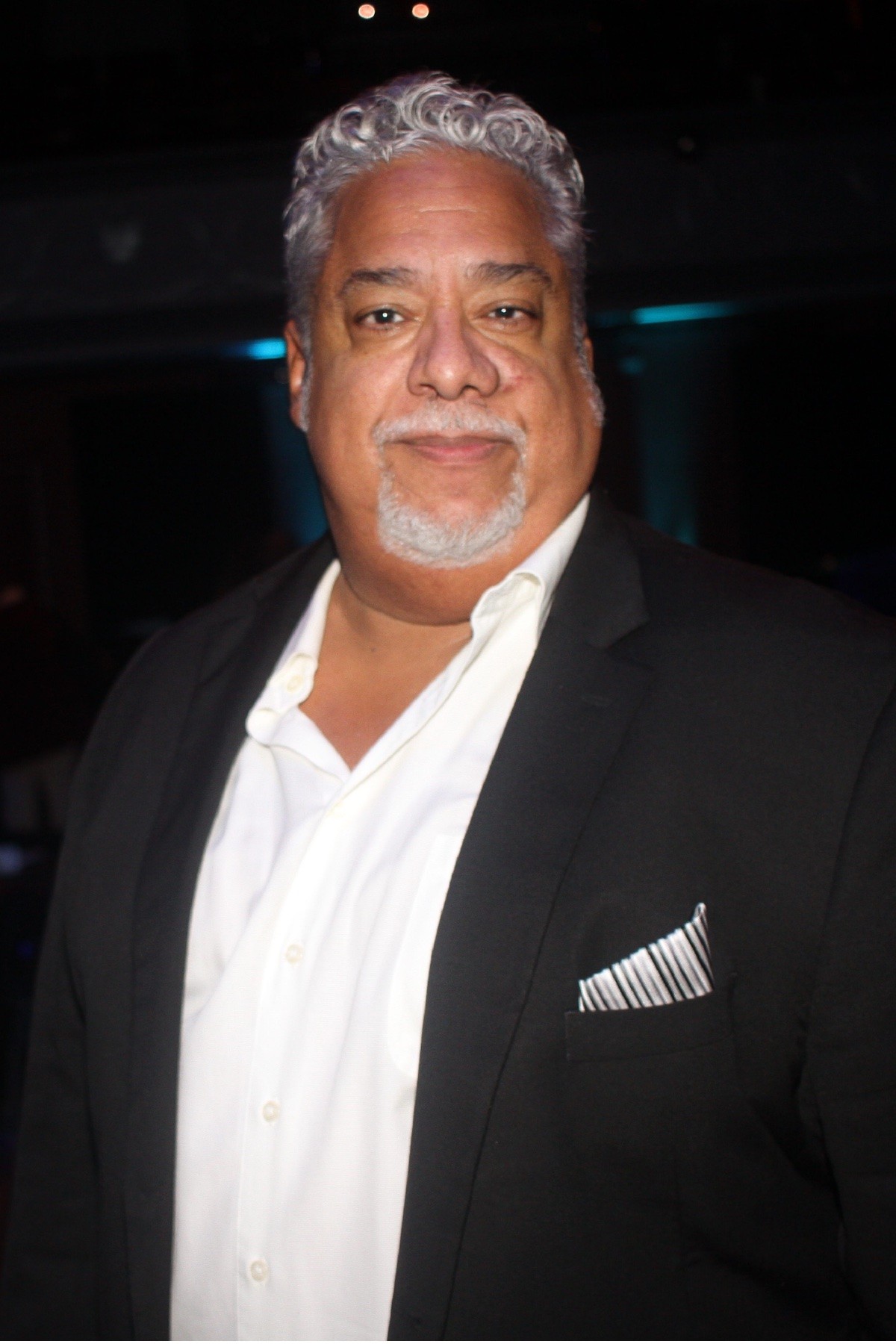
Eddie Bautista
NYC CJH Co-Director, NYC-EJA
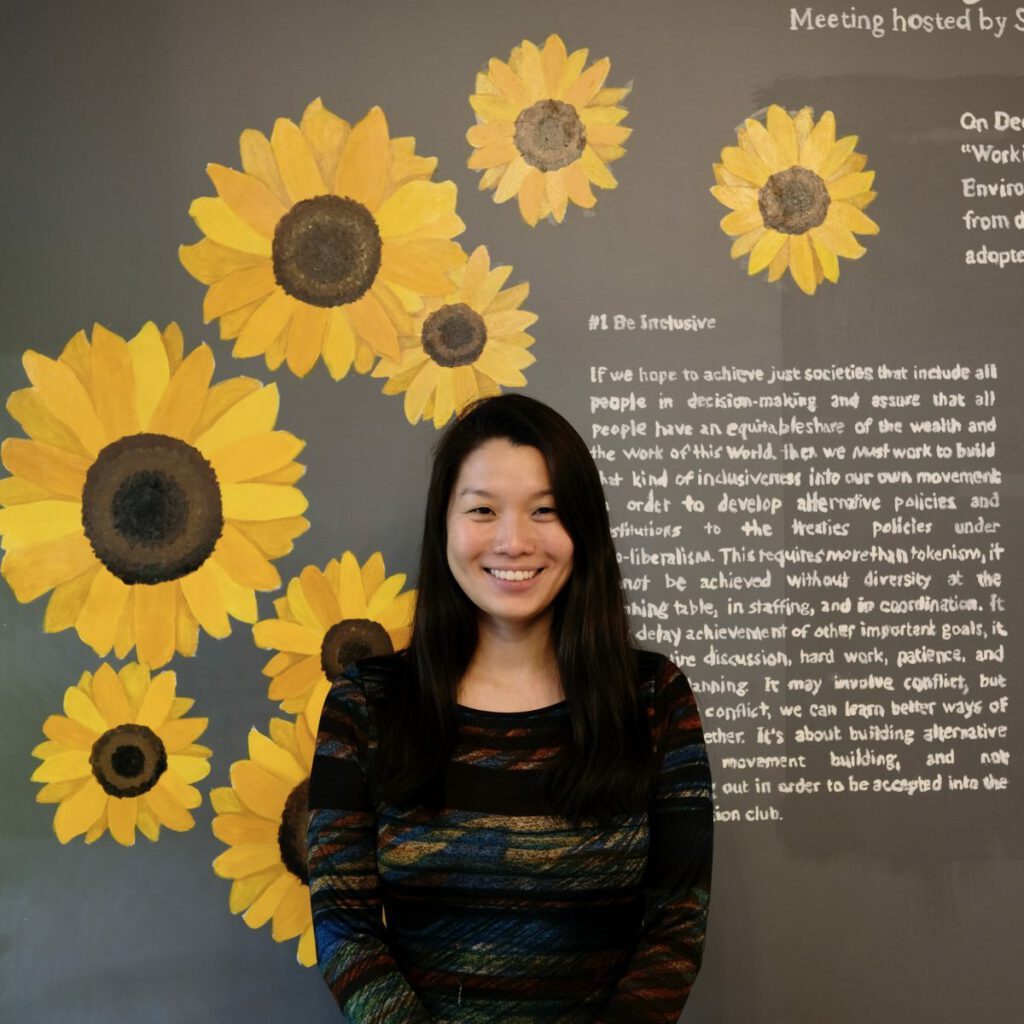
Eunice Ko
NYC CJH Co-Director, NYC-EJA

Kendra Sullivan
NYC CJH Co-Director, CUNY
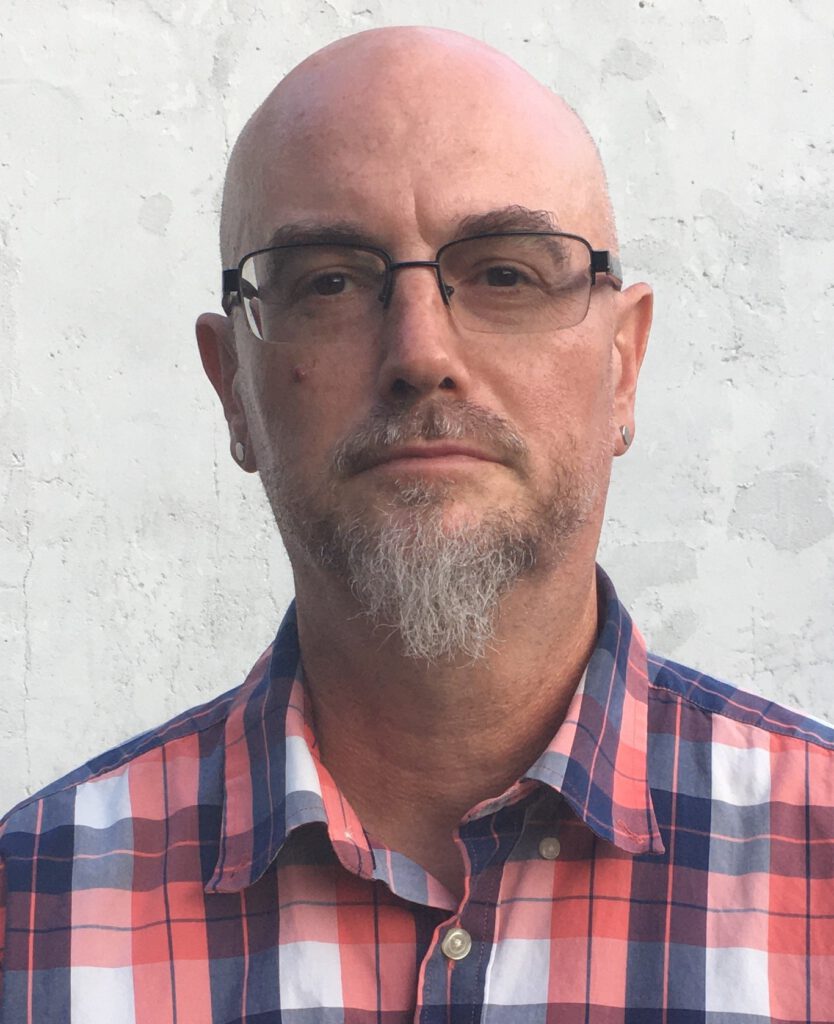
Michael Menser
NYC CJH Co-Director, CUNY
Research Teams Lead
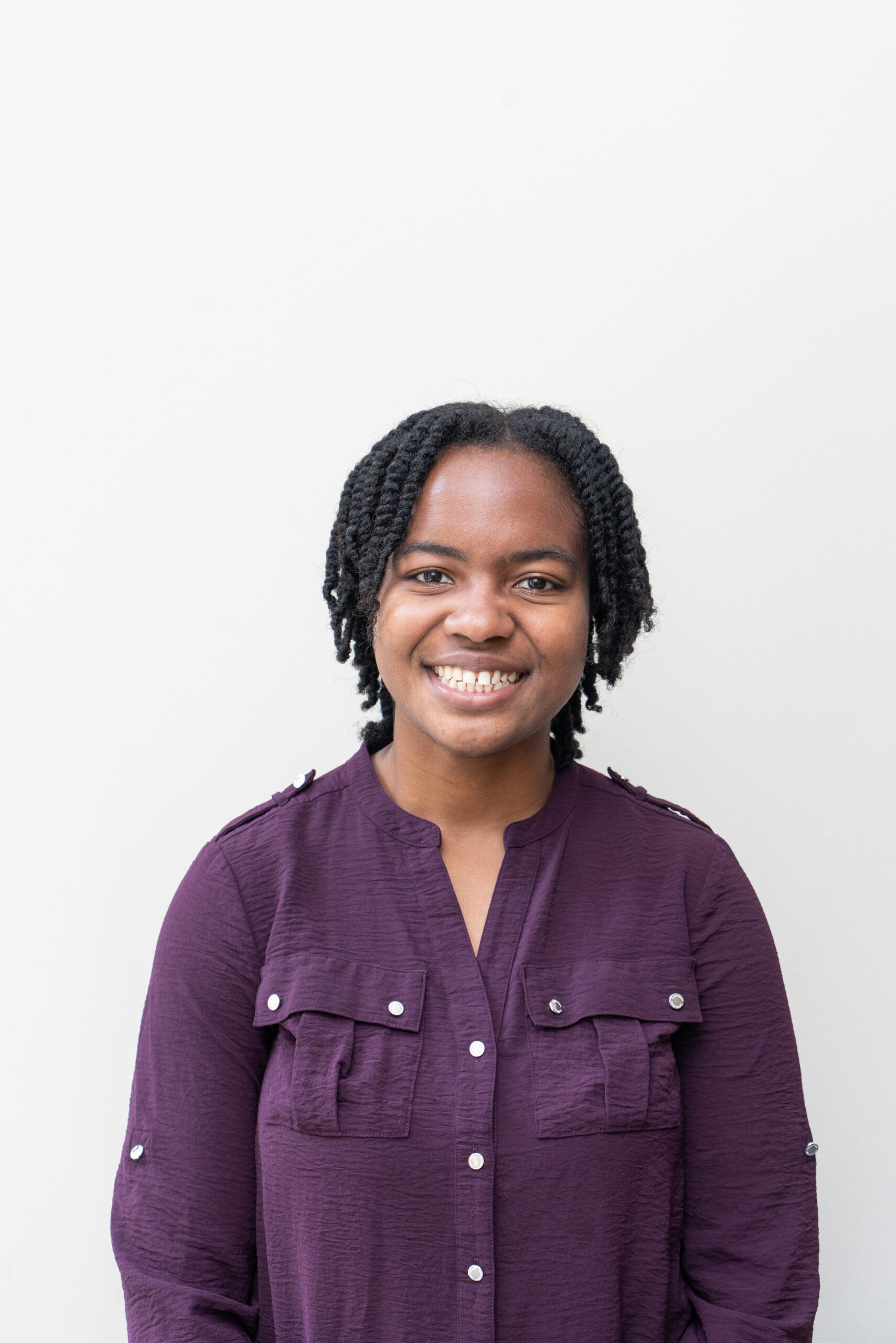
Jazmyn Michelle Blackburn
Hub Coordinator, CUNY
Research Teams Lead
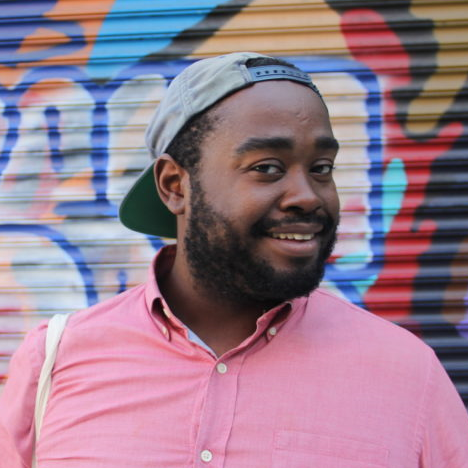
Alan Minor
Hub Coordinator, NYC-EJA
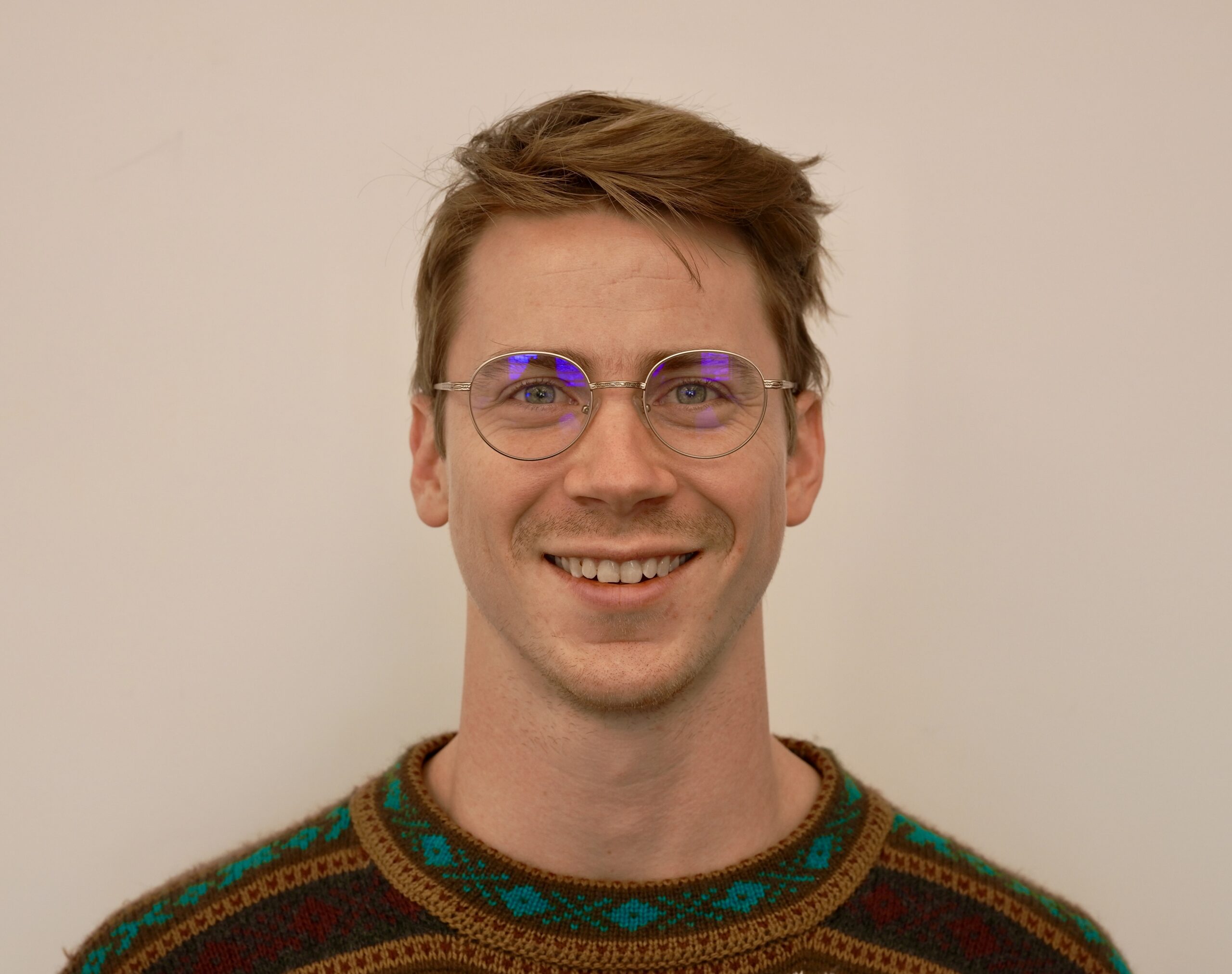
Forrest Sparks
CUNY Climate Assembly Project – Program Lead
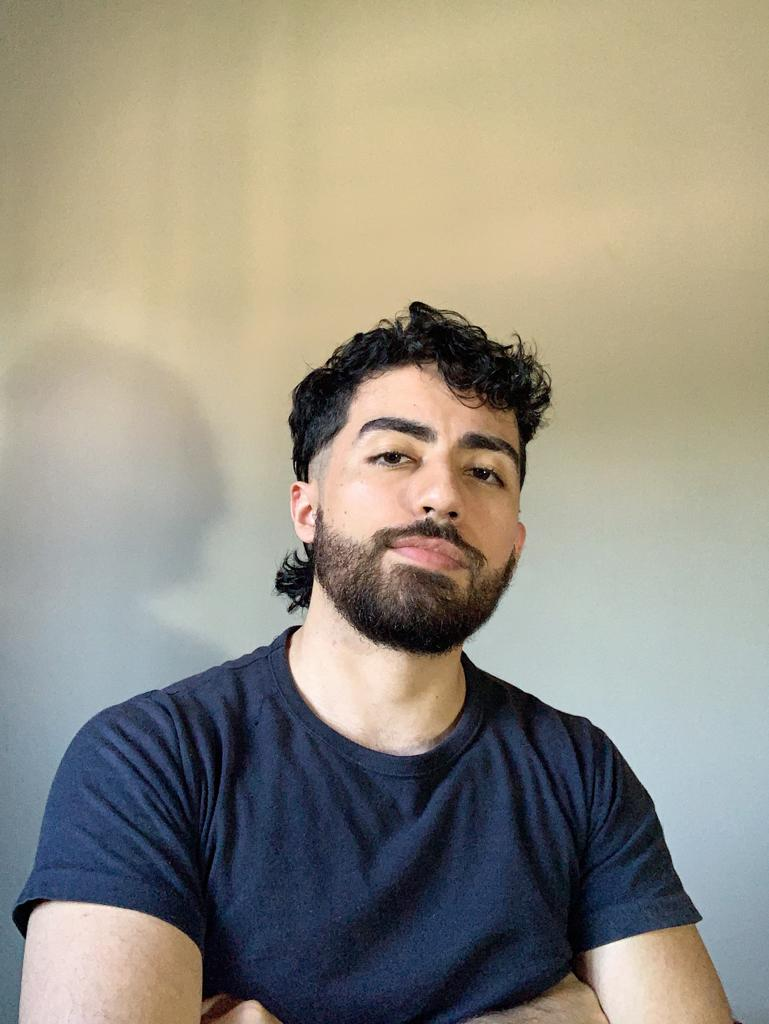
Gastón Fernandez
Finance Coordinator
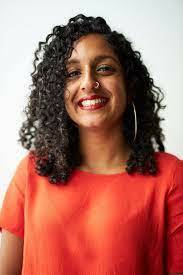
Maithreyi (Maithi) Rajeshkumar
Public Engagement Strategist
Climate Justice Fellowship Lead
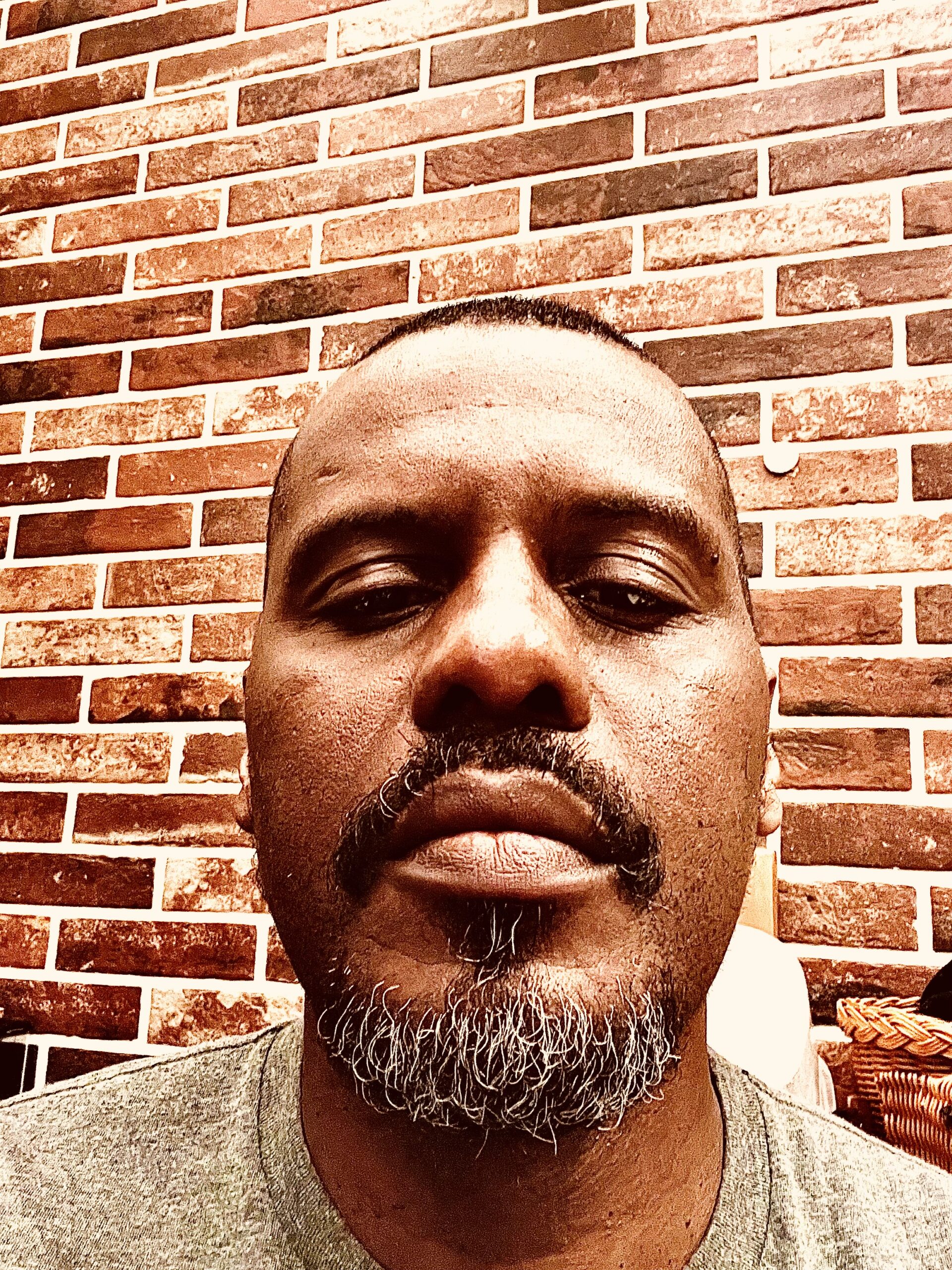
Kobie Colemon
Classes & Curriculum Lead
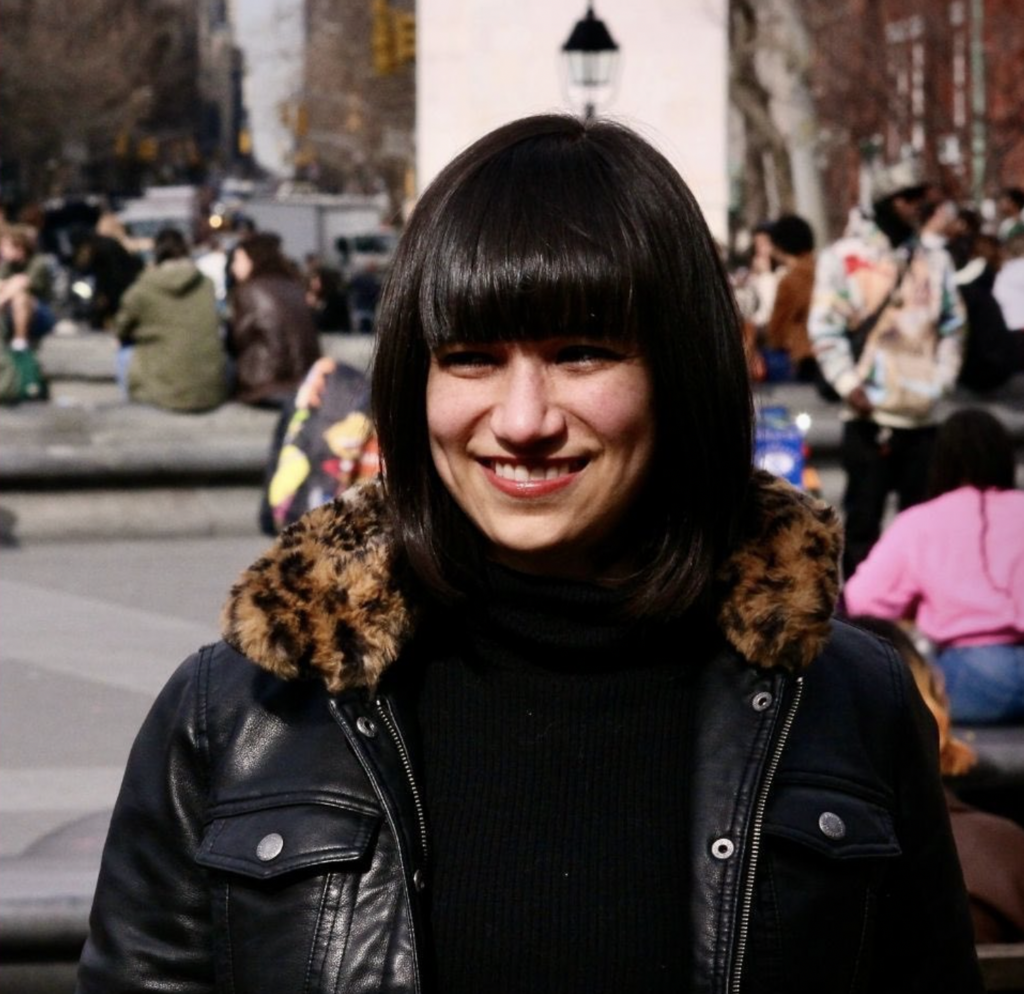
Pierina Pighi Bel
Communications Lead

Dinorah-Marie Hudson
Classes & Curriculum Specialist
Fellowship Specialist

Alyssa Bueno
Fellowship Specialist

Charlie Overton
Fellowship Specialist

Paul Odér
Research Teams Specialist
Fellowship Specialist
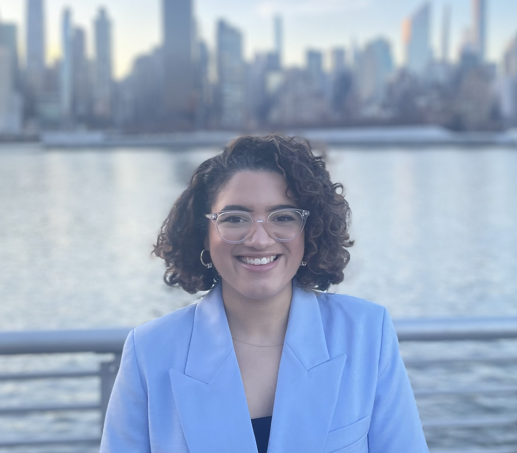
Ismerlyn Gonzalez
Data Visualization Intern

Zico Abhi Dey
Web Development Intern
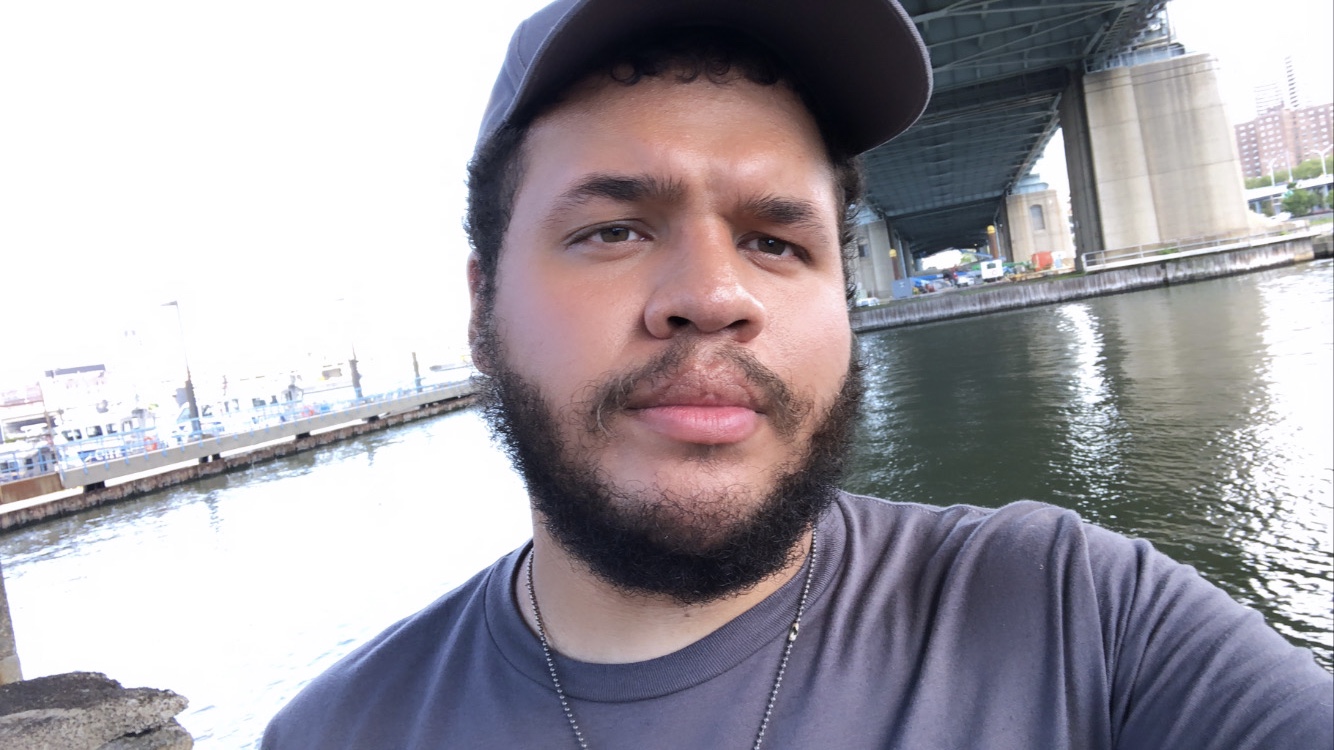
Adán Guzman
Former Hub Advocate, El Puente

Shaheeda Smith
Hub Advocate, GOLES
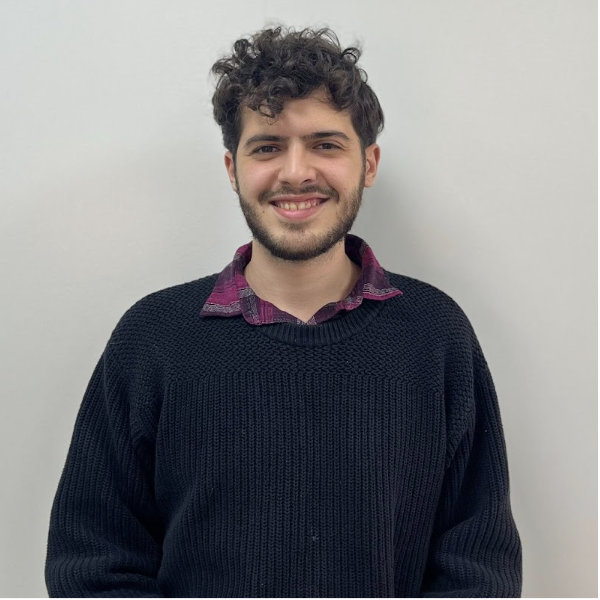
Basil Alsubee
Former Hub Advocate, We Stay/Nos Quedamos

Maria Reyes
Hub Advocate, The Point
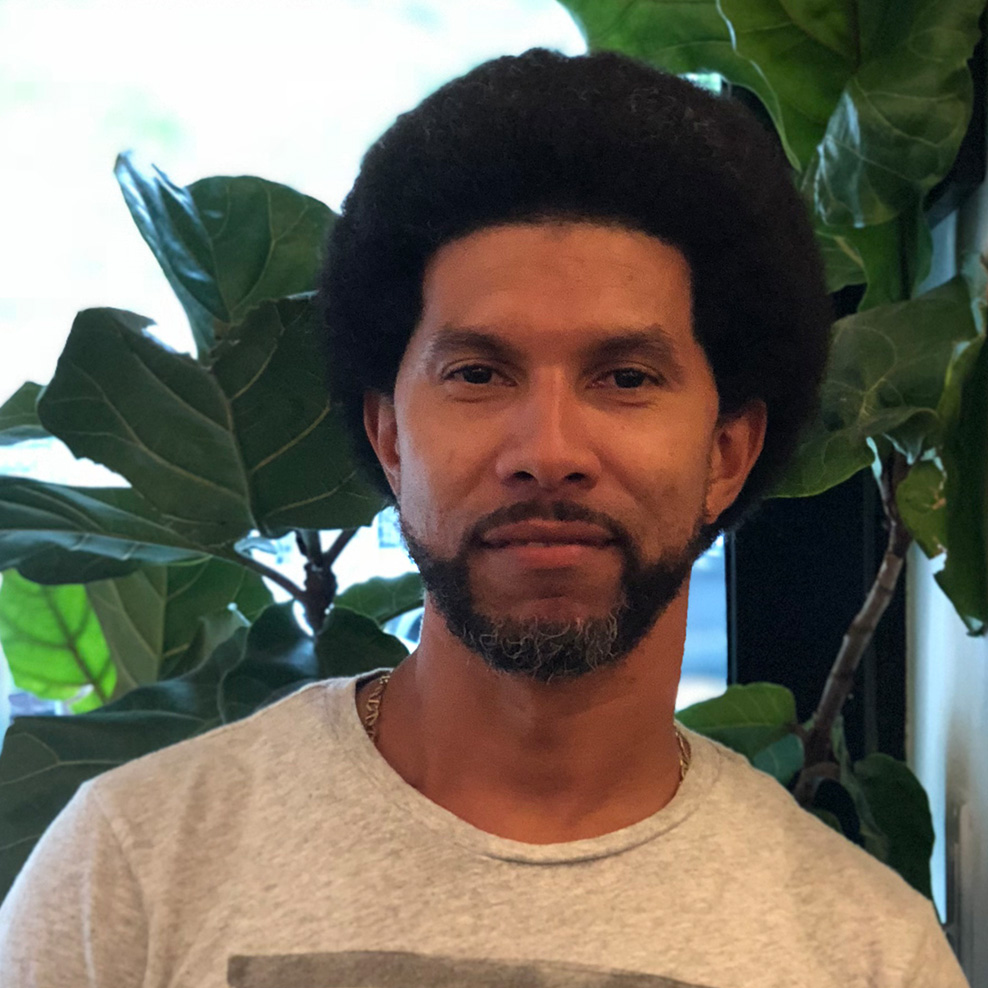
Nando Rodriguez
Hub Advocate, The Brotherhood Sister Sol
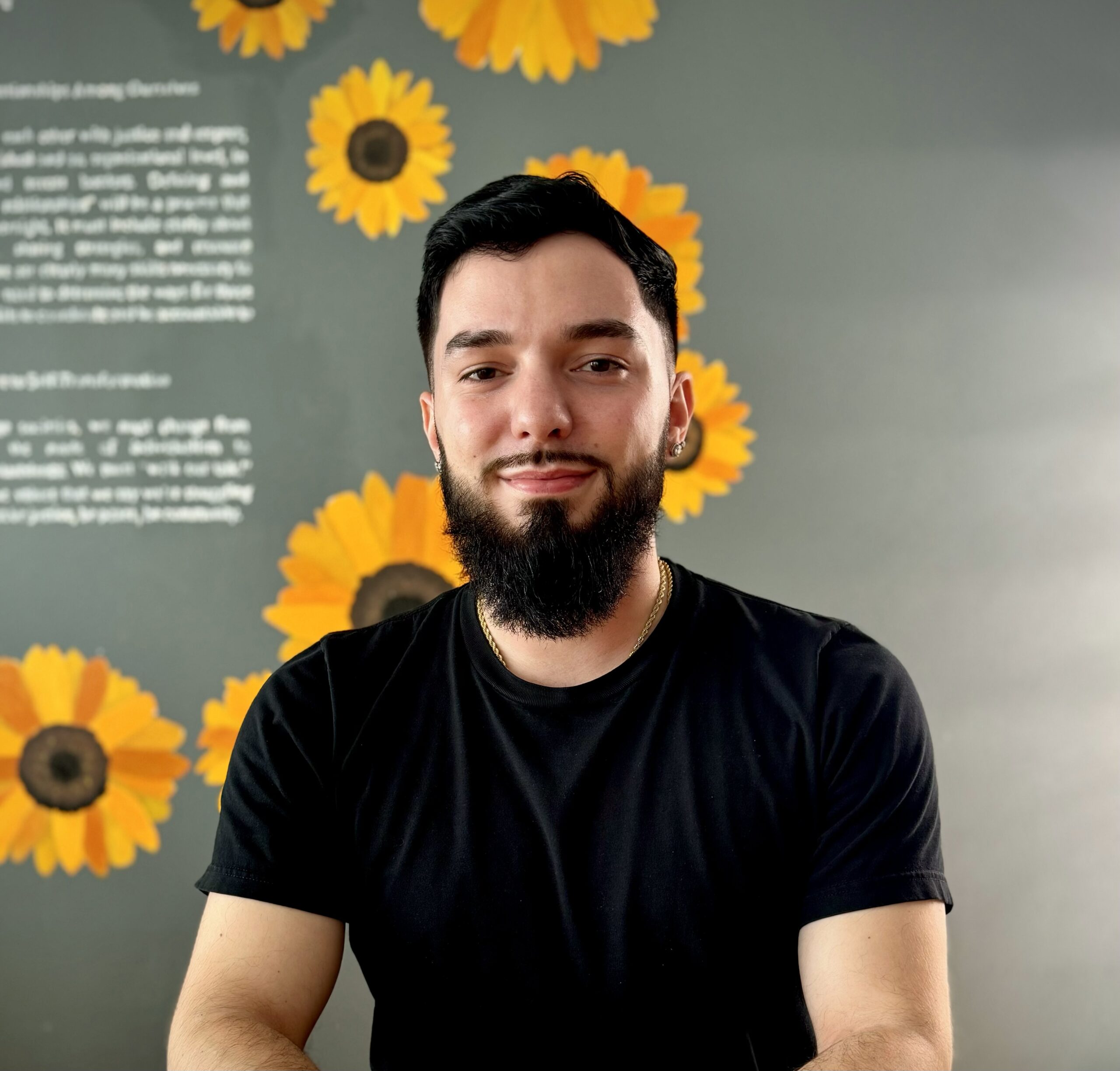
Nebraska Hernandez
Former Hub Advocate, UPROSE

Daniel Chu
Student Fellow

Enrique Valencia
Former Research Assistant

Aurash Khawarzad
Member
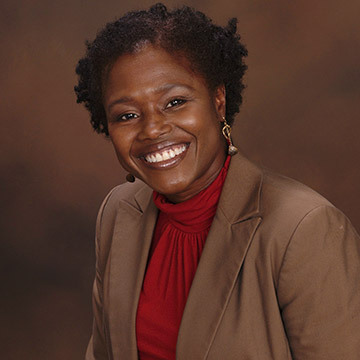
Denise Thompson
Member
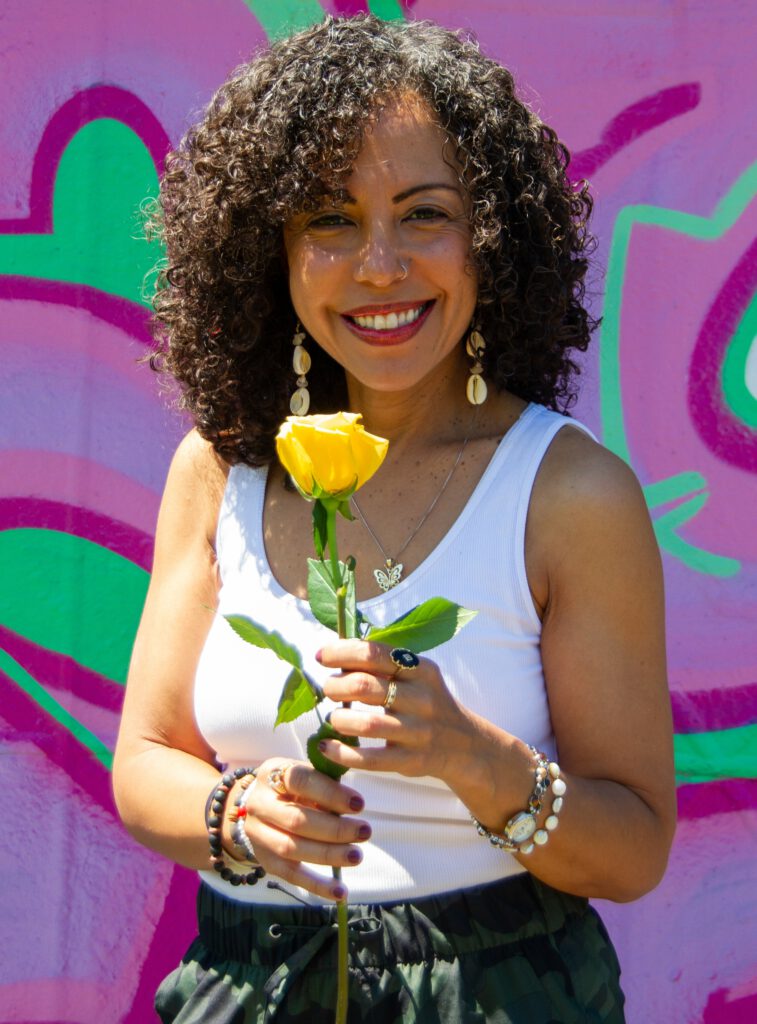
Mariposa María Teresa Fernández
Member