People

Noelle Mapes
ERI/PS2 Public Research Fellow
Noelle Mapes is a PhD student in Urban Education at the CUNY Graduate Center whose research focuses on participatory democracy, teachers’ unions, and the political economy of schools. Noelle is a strike-ready member of PSC-CUNY and an organizer with MORE-UFT, a k-12 social justice caucus of the NYC teachers’ union. Noelle is a 2026 ERI/PS2 Summer Fellow.
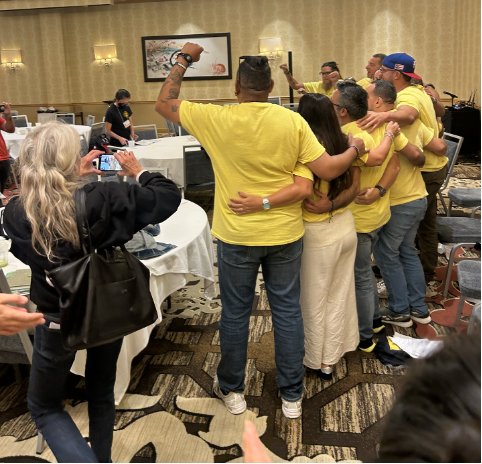
This summer, I watched school workers teach each other how to fight. At an annual gathering of dozens of rank-and-file educator-organizers, one group met to discuss lessons from teacher strikes. After being asked about the consequences of going on an illegal strike in Massachusetts—a fine of tens of thousands of dollars—the Massachusetts teacher shrugged and said, “We just had to drain our strike fund, but that’s what it’s there for.” Texas teachers in the room gasped and laughed and said, “Wait, go back to that.” In Texas, while there are unions, they do not have collective bargaining and the consequence for striking would be their pensions getting sapped. They had the Massachusetts teacher describe how their local union leadership had started a strike fund back in the 70s that they were able to use, their shock evidence of the differing stakes in their state. Then a teacher from New Orleans spoke up, the only one at the gathering, and shared how he wished he had a union. After Hurricane Katrina, privatization swept away New Orleans’ public school system, replacing all schools with charters and adding to the organizing stakes in the city. He said, half-joking, that New Orleans was trying to get to where Texas already was—he’s been trying to organize a union in his charter network. The room kept turning like that, each state sharing their context and taking lessons from one another to take the same path in different ways—towards more democratic unions, an emphasis on public decision-making in public schools, and even just fighting so that public schools can exist again in some places.
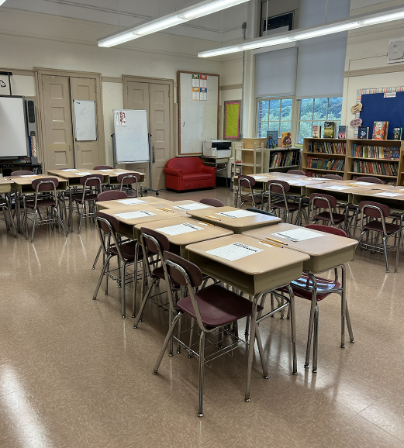
This summer, while talking to school workers, I helped them figure out how to write their own stories from their own perspectives. We talked through lessons learned from their fights to get cops out of their schools and striking across sectors and how they wanted to share their work with other organizers. Writing about the rank-and-file perspective helped me realize I wanted to return to it again, and I went back to the elementary school classroom this school year, maybe for good. Next summer, when I attend our school worker-organizer gathering, I’ll be able to speak from the same perspective as teachers in that room, and hopefully learn more for my own context. I couldn’t have made it to that room without this fellowship. I’m grateful and still thinking about what I heard.