Trans-cending the body: Mapping a visual history of Transness in Western India
October 28, 2026
People

Vinit Vyas
ERI/PS2 Public Research Fellow
Vinit Vyas is a PhD student in Art History at the Graduate Center, CUNY. His interdisciplinary research focuses on gender, erotica, and sexuality, specifically issues of same-gender desire, transgender narratives, and gender ambiguity in early modern and colonial visual and material culture of South Asia. He has previously worked with institutions such as NID Ahmedabad, MAP Bangalore, MSU Baroda, and was an academic fellow at the Center for Black, Brown, and Queer studies. Vinit is a 2026 ERI/PS2 Summer Fellow.
Since my undergraduate days, I have been fascinated by the depiction of gender non-confirming bodies in pre-modern South Asian art, and to develop methodologies for reading them. This broadly forms the core of my doctoral dissertation project, and the support provided by the ERI/PS2 fellowship was crucial to take further steps toward mapping the little-known and complex (art) history of what we now refer to as Transgender* communities in South Asia. Specifically, the pre-modern art history of the Hijra community (also known as the “third genders”)—a publicly institutionalized subculture comprising of Transgender* people—remains largely understudied. The Hijras, for long, have been subjected to colonial violence, fetishized gaze, and stereotypical visual ‘representation’ of Queerness in South Asia.
In my city Ahmedabad, and more broadly in Western Indian state of Gujarat, India, Hijras are known for having a specific adherence to goddess Bahucharaji, their rooster-riding patron goddess. While myths surrounding Bahucharaji’s connections with the Hijra community are abundant, what remains little examined is, what are its origins? What role have the Hijras played in Bahucharaji shrines?
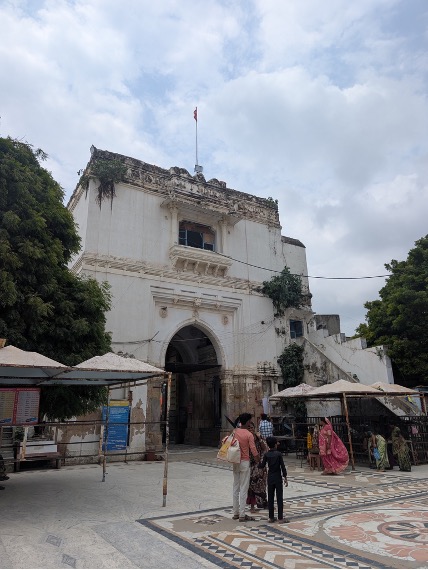
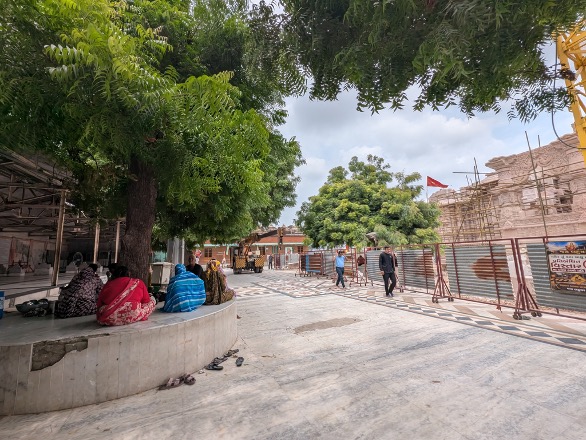
My summer in India was spent thinking about these questions, conducting fieldwork and interviews with Hijra community members, and meeting with temple custodians to find answers across a range of Bahucharaji shrines in Ahmedabad, Rajkot, Becharaji, and Baroda.
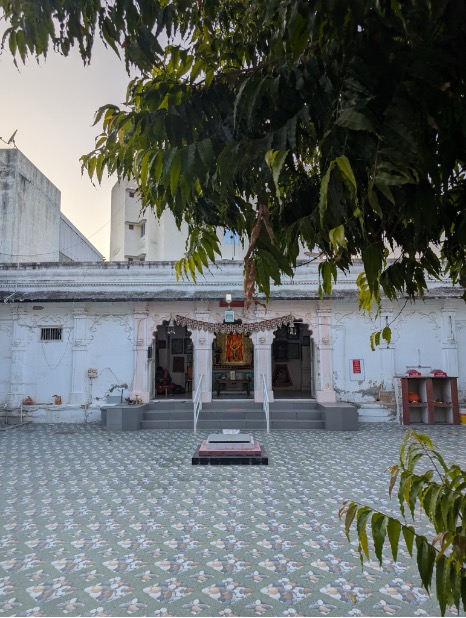
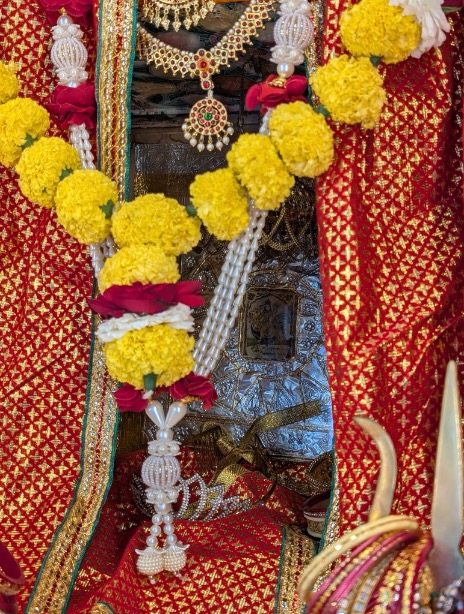
A pleasant find was a 19th century shrine in Rajkot city, where I closely examined a rare image of the goddess framed within a yantra (sacred geometrical diagram), and where Hijras—according to the priest—used to play garba (traditional folk dance) in honor of Bahucharaji.
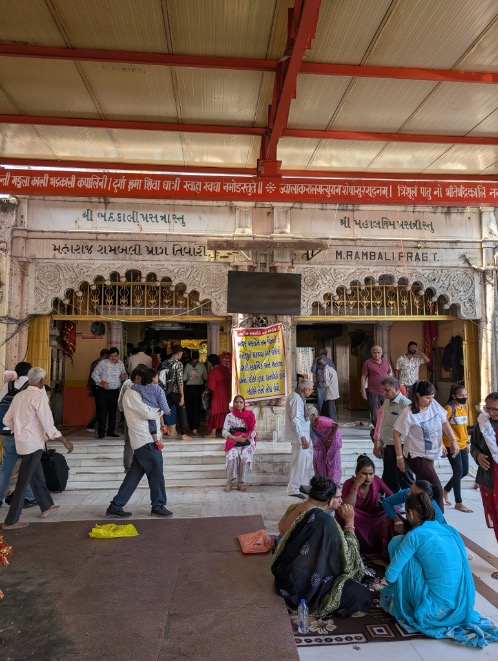
During my visits to the Bhadrakali temple in old Ahmedabad and Becharaji temple in Mehesana, I was fortunate that Hijras blessed me with a 5-rupee coin by biting and waving it over my head to ward off evil eyes, a practice continued for generations. Across these shrines, I also found an array of images, whether paintings to sculptures and yantras of Bahucharaji. If Hijras consider Bahucharaji as a visual representation (based on my fieldwork) of Trans* identities, in what ways can the material and performance culture—be it the coin, the yantras, the garba, and Bahucharaji’s sculptures—help us craft more nuanced methods to read Transness beyond the body? I am looking forward to continuing my quest for learning and broadening this archive.