People

Clairette Atri Mizrahi
ERI/PS2 Public Research Fellow
Clairette Atri Mizrahi is from Mexico City and is a PhD candidate in Critical Social / Personality Psychology. Clairette is a 2026 ERI/PS2 Summer Fellow.
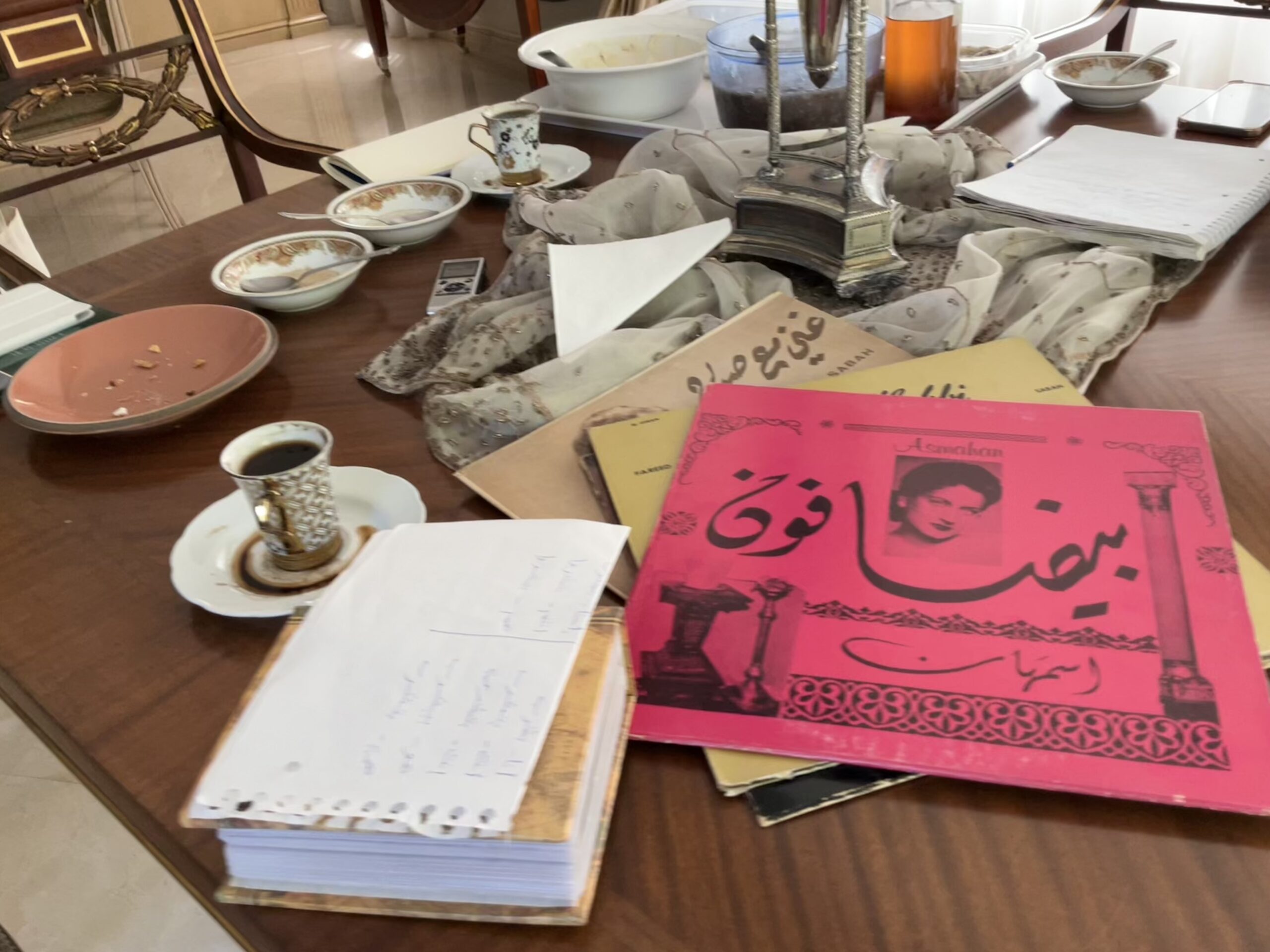
I was supposed to go to Wadi Abu Jamil, in Beirut, this summer, but I couldn’t. I start from this longing, being away-outside. A longing of decades turned local: to Mexico City, to my body. A longing, collective, turned into an opening: come in, tfaddali, mi amor, says my grandmother when I arrive this summer at her door. She invites us to make our way to a table overflowing with Syrian-Lebanese food (and a Mexican touch: chile serrano, a mordidas). Tfaddalu, por favor.
My research project is not about my grandmother per se – an Arab Jewish woman that arrived in Mexico from Beirut in 1959 –, yet it takes my relationship with her, Clairette y Clairette se quieren, as a generative epicenter, as a creative force-love, as a way to find our way into a past so present, so presumably inexistent, so here: a Muslim Jewish world.
Tfaddalu is a word in Arabic which is used as “come in / here you go / welcome / help yourself”. It is a very important word for Arab culture, pointing at the fundamental value of hospitality. Yet because it is a word in imperative form, it more accurately means “be kind / be generous”. Its implicit logic, crucial: an asking to accept that / this which is being offered. The full sense something like, “(please) be so kind (and accept this, which I am offering to you)”.
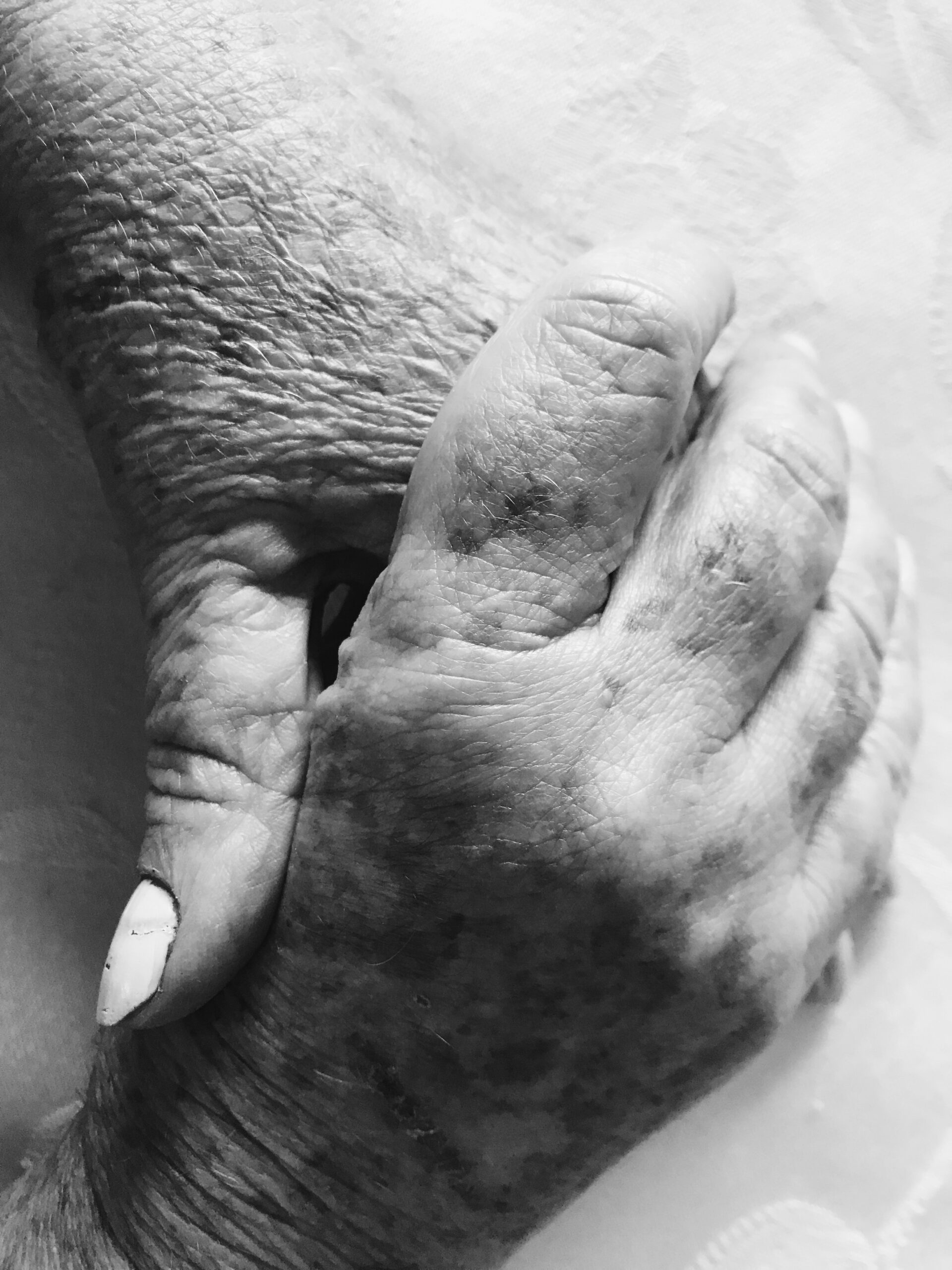
This summer –grounded in an anti-imperial, non-discursive collective longing amongst Arab Jewish women in Mexico City–I was in search of gestures, in my body, that would allow me to access a Muslim Jewish world, still here, through crafting.
My grandmother’s name – Clairette Haiat(i) / Clairette (my) Life –and title of my project is crucial given the possibilities that open through a vagueness / “error” in transliteration. Haiat in Arabic can mean life or tailor, depending on its spelling (H or kh). Given that Jews in the precolonial Muslim world were mostly craft makers (jewelers, weavers, tailors) I am interested in the possibilities that lie in the spilling / excess implicit in transliteration; in between Life and Crafting; in crafting life-worlds.
Being invited to make kibbeh – the Lebanese meat pockets – at different women’s houses as part of my (re)search for gestures, I kept hearing tfaddali, tfaddali. Despite the loss of language, Arabic, in recent generations of Arab Jews, my body knew what to do / where to go / how to come in. Given that tfaddalu means “be so kind and accept this, which I am offering”, it requires a relay from word to gesture in order to know the this that is being offered. I was not only being invited to come in to make kibbeh, tfaddali, rohi, by these women, by my grandmother, I was being relayed a gesture-movement-orientation towards a collective crafting of a Muslim Jewish world, not in the past but in Mexico City.
And so, I found myself kindly accepting what I was being offered: a here-inside.
I found myself kindly accepting what I was being offered: this.