Stand Up for Your Rights: Language, Resistance and Community Building
October 28, 2026
People

Diana Higuera
ERI/PS2 Public Research Fellow
Diana Higuera-Cortes is a PhD student in the Latin American, Iberian, and Latino Cultures (LAILAC) program at the Graduate Center-CUNY. A former CUNY Humanities Alliance fellow, Diana teaches Spanish at Lehman College. Diana is a 2026 ERI/PS2 Summer Fellow.
Learning a new language is a deeply personal and unique experience. While some people embrace the journey with excitement, pride, and a sense of discovery, others may experience it as a source of anxiety, uncertainty, and tension. This is the case for many Latina/o/x immigrants who see English as more than a skill to acquire — it is a lifeline to information, resources, and economic survival, intertwined with questions of dignity and identity.
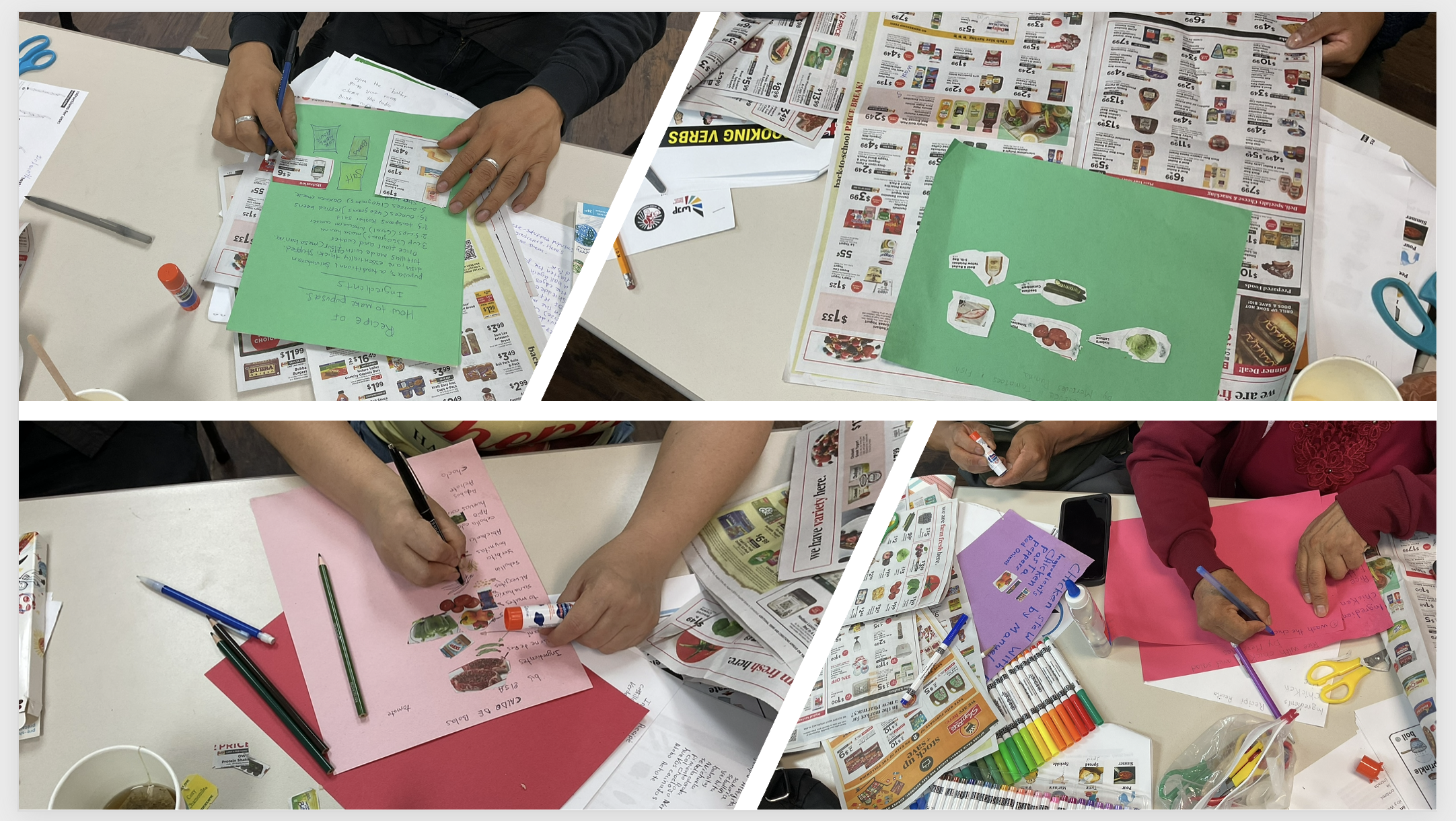
The ERI/PS2 fellowship allowed me to spend the summer conducting an ethnographic process and to develop a pilot program to teach English to a group of 12 people from Central and South America. Over the course of six weeks, we gathered in the evening at a small community organization in Brooklyn. As we explored language structures and vocabulary to talk about family and food, we also began reflecting on how preconceived ideas about the English Language (language ideologies) and the United States shaped the learning experience.
The twelve members of this group work in New York City’s least visible and most essential industries: construction, residential cleaning, and app-based delivery. Their limited English language skills, in addition to fear/shame, leave them especially vulnerable to becoming easier targets for discrimination, exploitation, wage theft, and unsafe working conditions. As class discussions of race and immigration status increasingly drifted toward stories of disenfranchised labor rights and workplace safety, I proposed creating a handy, practical material for the workplace.
This process eventually led us to create “Stand Up for Your Rights!”, a practical ESOL booklet with information and useful English phrases for navigating the workplace. It includes words for negotiating a wage, asking about working conditions, responding when they have not been paid, and advocating for themselves. I developed the material with their experiences and questions in mind. During our informal conversations and “class coffee break,” I shared the material, and I asked for feedback. From design and content to the length of phrases, the group provided their input on the material.
By the end of the pilot program, the group was proud of their language journey and their agency in creating the booklet. They were excited to print and share the resource at their workplace. They also created a community where people felt safe enough to be vulnerable and make mistakes in a new language. Learning English became entangled with a broader sense of collective action and mutual support.
This experience changed how I understood my role in the classroom and as a researcher. It also opened up future directions I hope to pursue in my dissertation proposal, such as examining how language ideologies are shaped by gender and industry-specific roles and exploring how “oral English” challenges the idea of classroom instruction as the default site of language acquisition in rural areas of Latin America.