People

Taylor Rubin
ERI/PS2 Public Research Fellow
Taylor Rubin is a Ph.D. student in Biology at CUNY Queens College and Graduate Center in the Urban Ecology Lab lead by Dr. Joanna Coleman. For her Ph.D., Taylor is investigating how scavengers that live in cities interact with our food waste and how that interaction may influence disease spread. Her long-term career goal is to pursue ecological research while working alongside community members and policymakers to translate scientific knowledge into meaningful change. Taylor is a 2026 ERI/PS2 Summer Fellow.
If I asked you to close your eyes and imagine an ecosystem, what would you picture? A coral reef, the African savanna, maybe a lush jungle? Probably not New York City. But cities are ecosystems too, and I’m an urban ecologist who studies exactly that. An ecosystem is just the interactions between living and nonliving things in an area, and NYC certainly qualifies. Most humans on Earth actually live in urban ecosystems, alongside plenty of other species, and that close contact makes cities hotspots for pathogens moving between wildlife and people.
Cities attract wildlife for the same reasons they attract us: resources, especially food. We feed urban animals on purpose (bird feeders) and by accident (food waste). But eating our trash can expose wildlife to pathogens, weaken their immune systems, and change their population sizes and movements; all of which affects how much they interact with each other and with us. In short, eating our garbage may help pathogens spread among wildlife, and from wildlife to humans. We know permanent waste sites like landfills matter here, but we know far less about transient organic waste (TOW) such as the everyday litter baskets we all use.
The most notorious NYC species that eats TOW is the Norway rat, also a major pathogen host. The city’s Department of Sanitation is now pushing for increased use of waste containers to combat the rats, but we don’t yet know how this will affect rat ecology and disease spread. This summer, an ERI/PS2 fellowship let me investigate. My hypothesis: more available trash means more rat activity and contact, and therefore more pathogens in their waste.
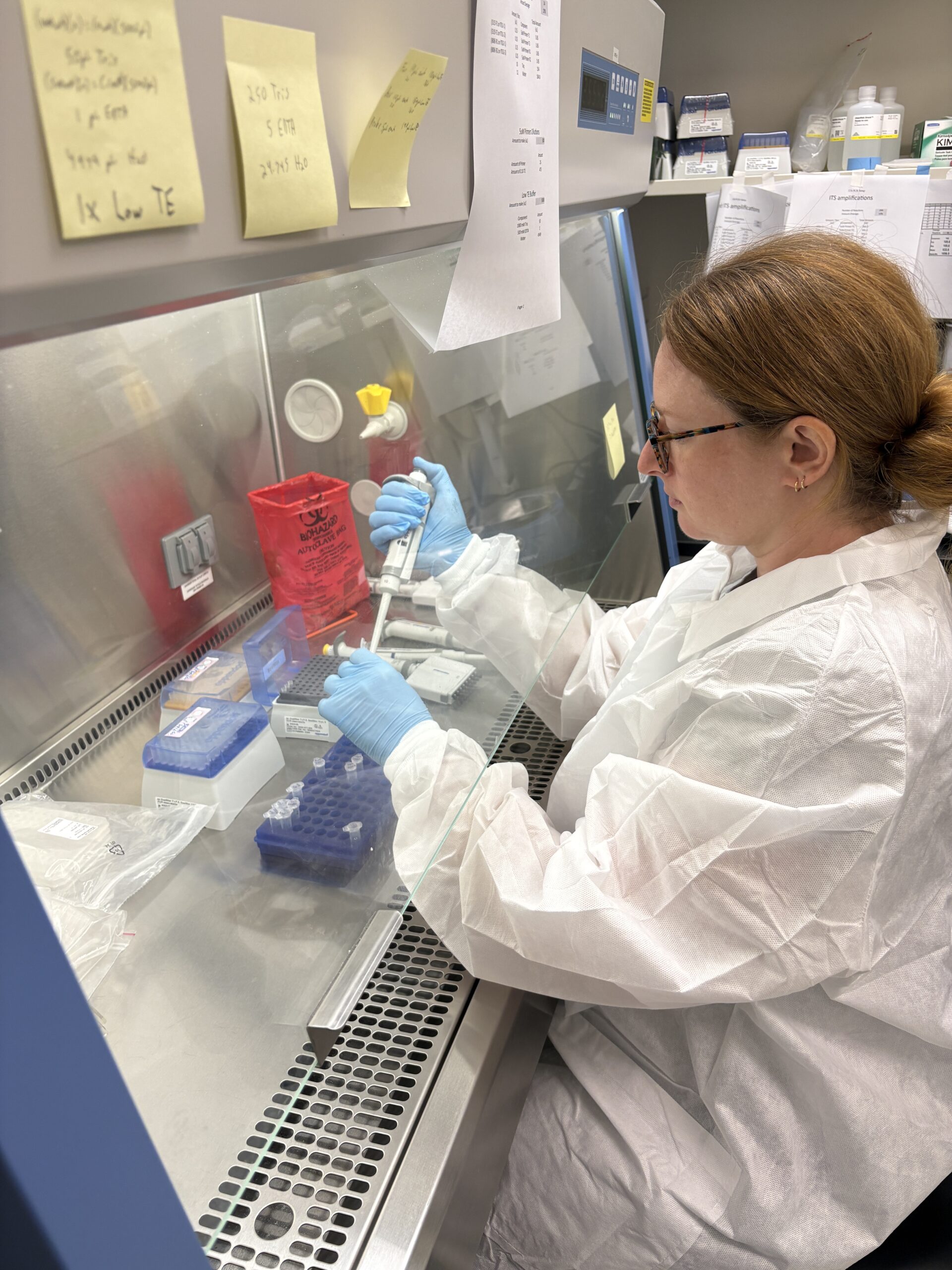
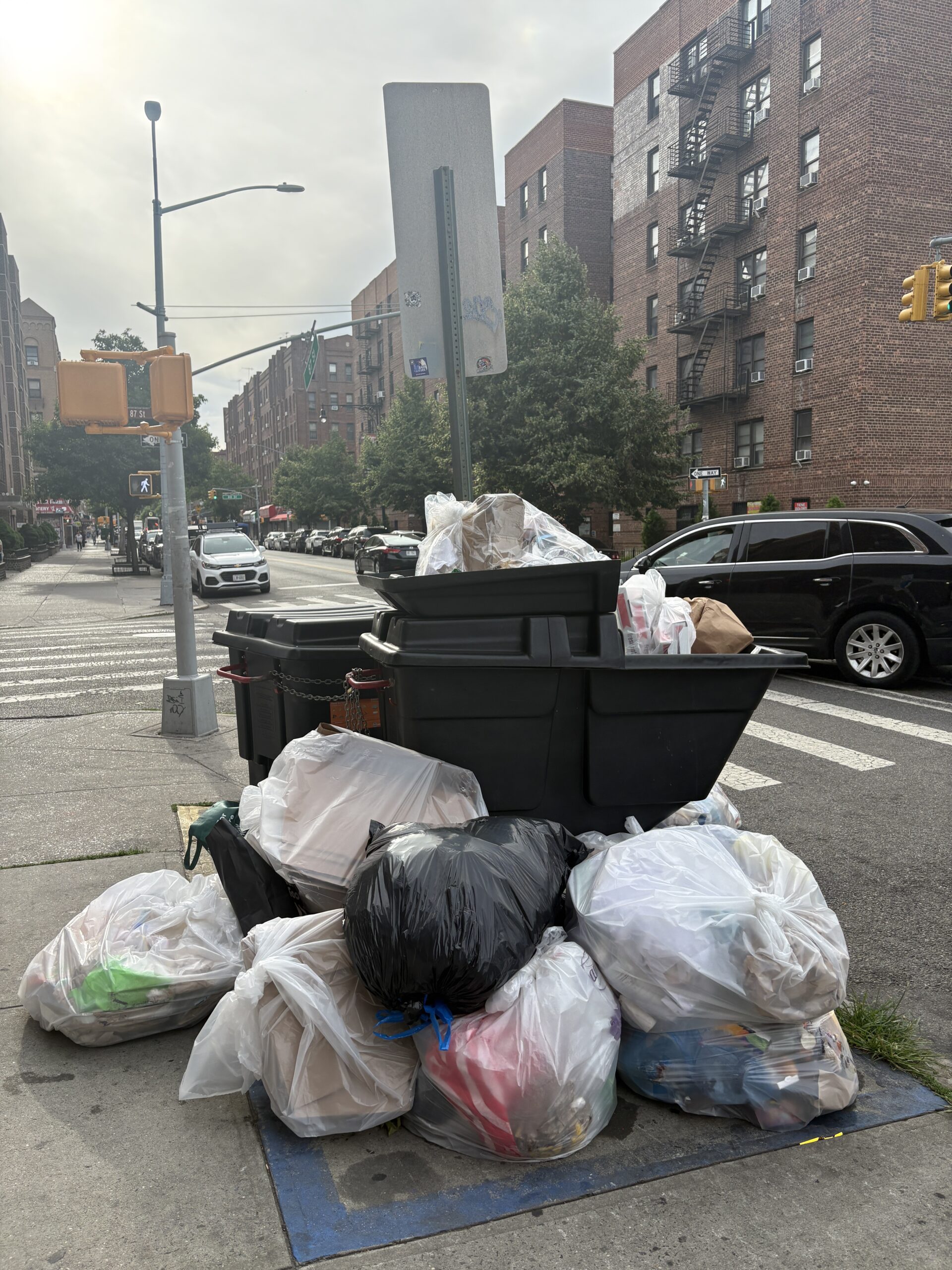
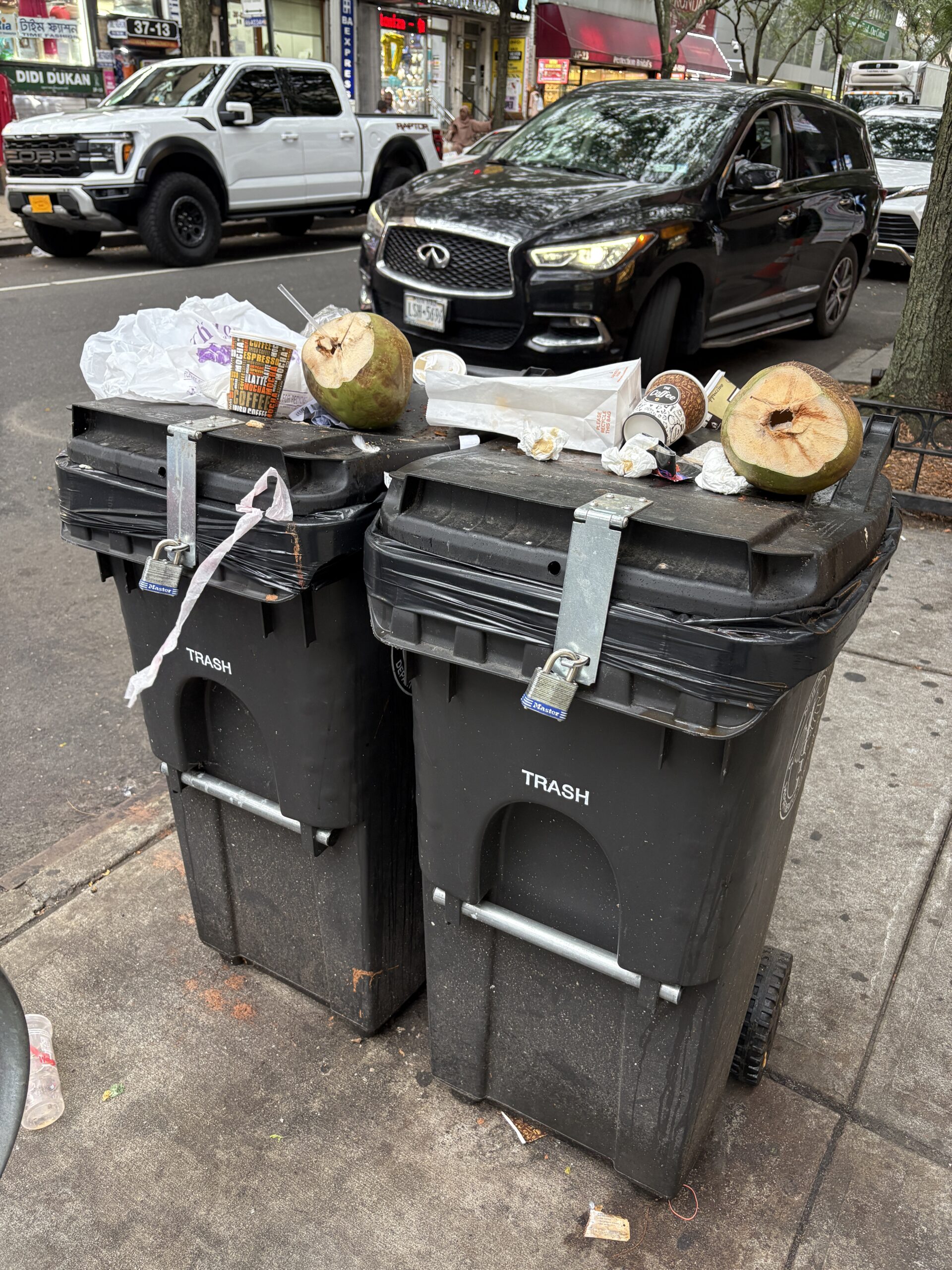
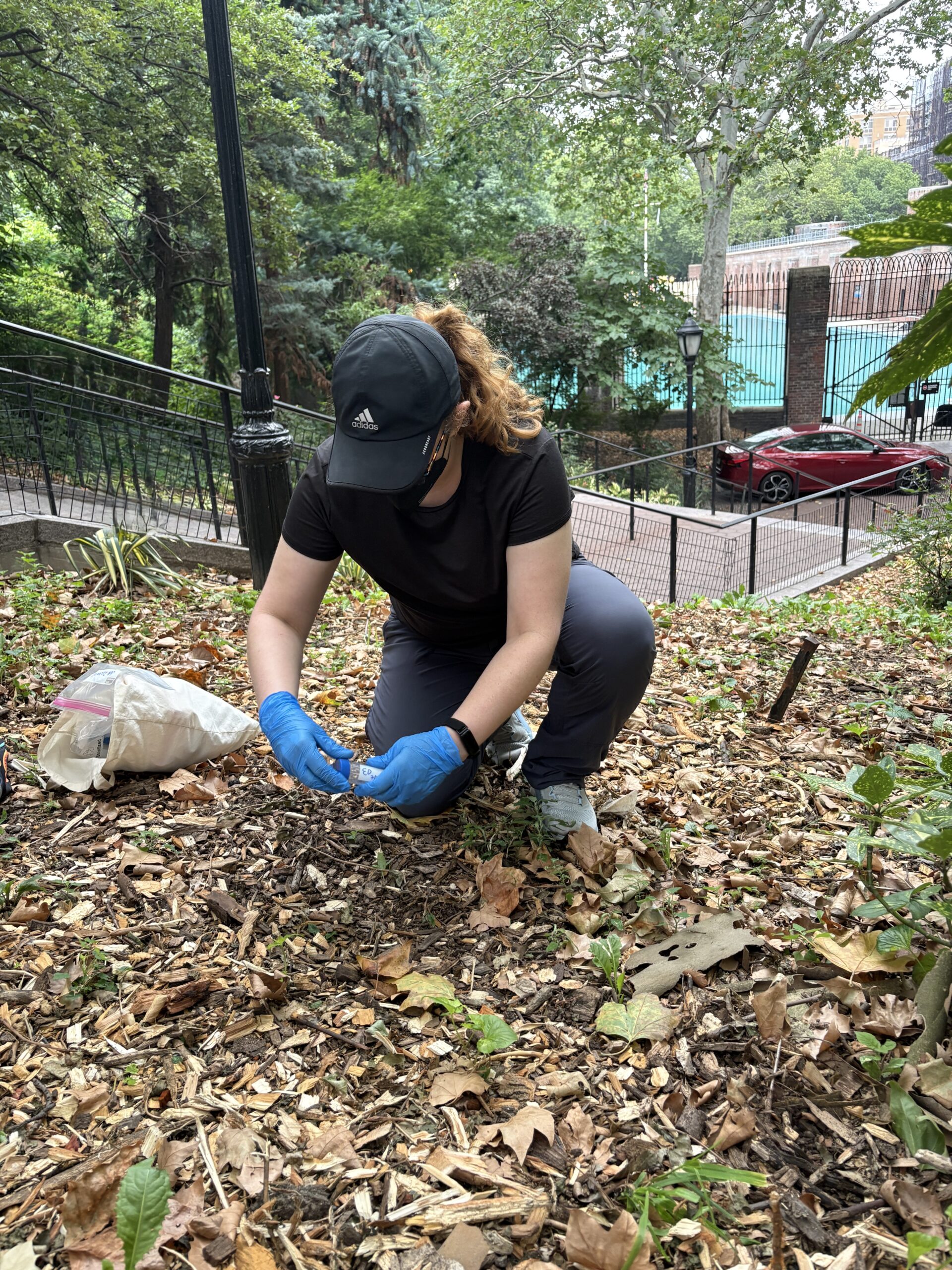
Working with the NYC Department of Health and two pest control companies, I found rat hotspots, collected rat poop, and measured trash availability and accessibility (think: a loose apple core versus food sealed in a latched bin). I then screened poop samples for 154 bacteria species known to spread from wildlife to humans. So…yeah, I spent my summer collecting rat poop and counting trash. We biologists live glamorous lives!
I’ve analyzed four of 21 sites so far, and the early results support my hypothesis: sites with more available waste show more pathogen species in rat poop. I’m eager to see if the trend holds as I analyze the rest!