People

Danning Li
ERI/PS2 Public Research Fellow
Danning Li (She/her) is a PhD student in Cultural Anthropology at the Graduate Center and a teaching fellow at Hunter College. Her research focuses on the role of market logic, class, and consumer desire in shaping political subjectivity. Danning is a 2026 ERI/PS2 Summer Fellow.
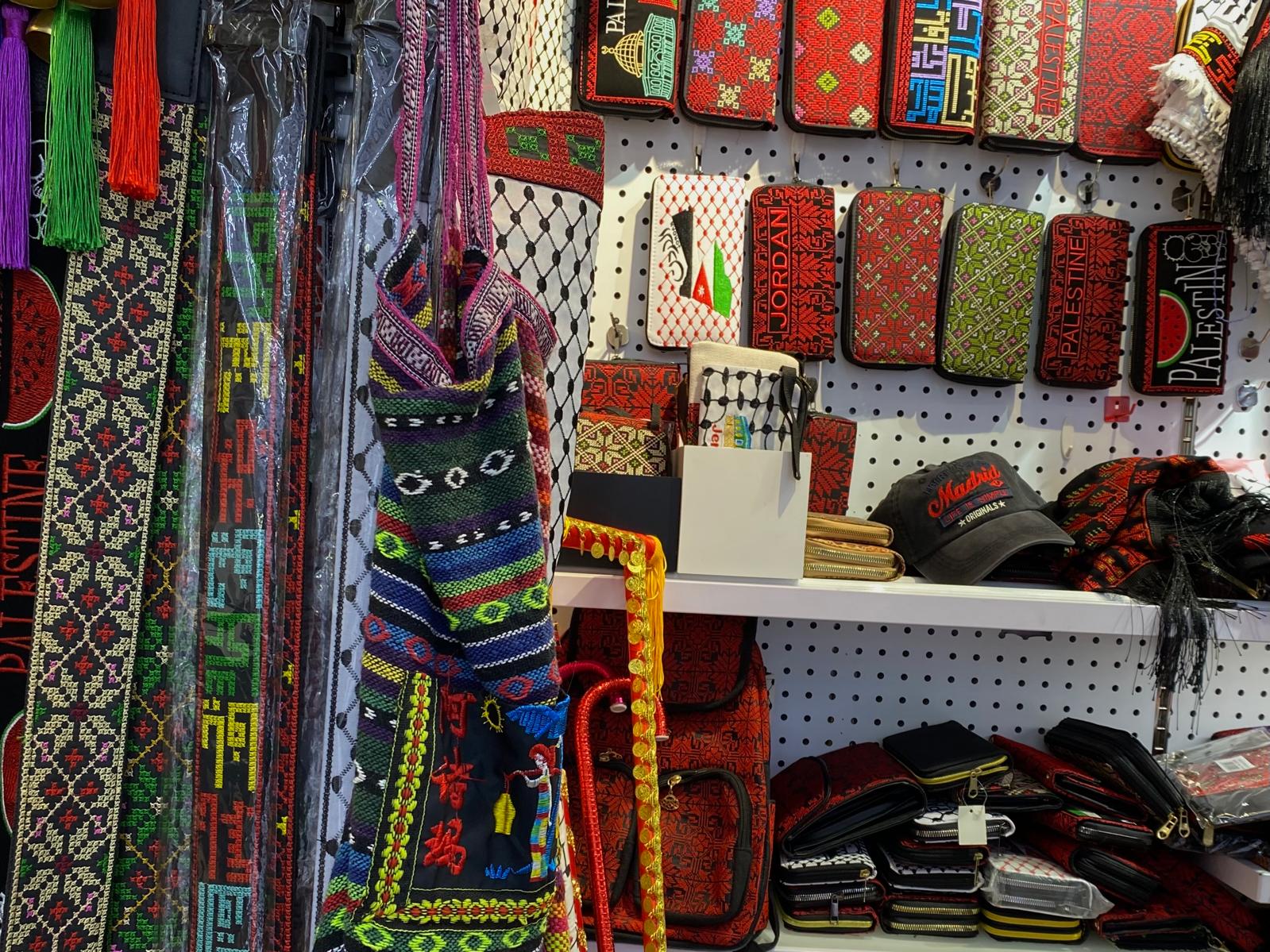
Among Palestinians, there’s a popular saying: “everything in Palestine is made in China.” From souvenirs to household appliances, counterfeit brand clothes, and restaurant equipment, Chinese goods have flooded shops and warehouses across Palestine. While often complained of as low-quality, these products have become a staple source of sustenance for people living amid systemic de-development.
My research studies this transnational commodity circuit between China and Palestine. The 1994 Paris Protocol, negotiated under the Oslo framework, granted Palestine limited autonomy to engage in global commerce outside Israeli markets. Since then, Chinese goods have consistently ranked among the top sources of products available in Palestinian stores. However, the occupation authorities exercise administrative and logistical control over the imports bound for Palestine, which are scrutinized as actors of war through the lens of counterinsurgency. I ask how the occupation shapes the material flow and landscape, what these restrictions tell us about colonial anxiety, and how Palestinians navigate these constraints.
The PS2 fellowship supported my preliminary fieldwork research, allowing me to visit two major hubs of Palestinian traders’ community in China, Yiwu and Guangzhou. There, I talked with Palestinian traders and business agencies, learning firsthand what goods become restricted at specific moments—a shifting terrain that traders can only navigate through accumulated experience. I also observed how VR-enhanced game centers, 3D cinemas, and shopping mall playgrounds in metropolitan China became templates for new ways of entertainment in the West Bank. This reveals that Chinese imports are not merely necessities but are also bearers of consumer desire and global modernity.
The summer fieldwork helped sharpen my research questions, steering me toward the political economy of consumption and toward commodities themselves as analytical sites. As anthropologist Sophia Stamatopoulou-Robbins suggests, when objects are unmoored from their place of origin, manufacture, or intended use, they become entangled in new social and moral hierarchies. This lens, in turn, allows us to observe the drama and performance embedded in an object’s use in moments of resistance.