People

Bret Windhauser
Bret Windhauser is a third-year student in the History Department. His work focuses on the British Mandate of Iraq and the legal regulations revolving around death, dying, and burial during that time. Imperial law and religious understandings of the body conflicted in court in cases pertaining to corpse smuggling and burial in important Shi’a shrine cities. As part of his PhD work, Bret is building out a website to provide visualizations and translations of his research in order to make it more widely accessible. Bret is a 2026 ERI/PS2 Summer Fellow.
My research examines Iraq under British occupation and the subsequent Mandate, spanning the First World War and its aftermath. Given this focus, most of the archival material I require is understandably held in the United Kingdom and in Iraq itself. I became interested, however, in the holdings of other colonial metropoles such as those of the French Empire, which was simultaneously consolidating its authority in the neighboring Mandate of Syria. As two imperial powers worked to secure their newly acquired Middle Eastern territories, each closely observed the other’s administrative methods.
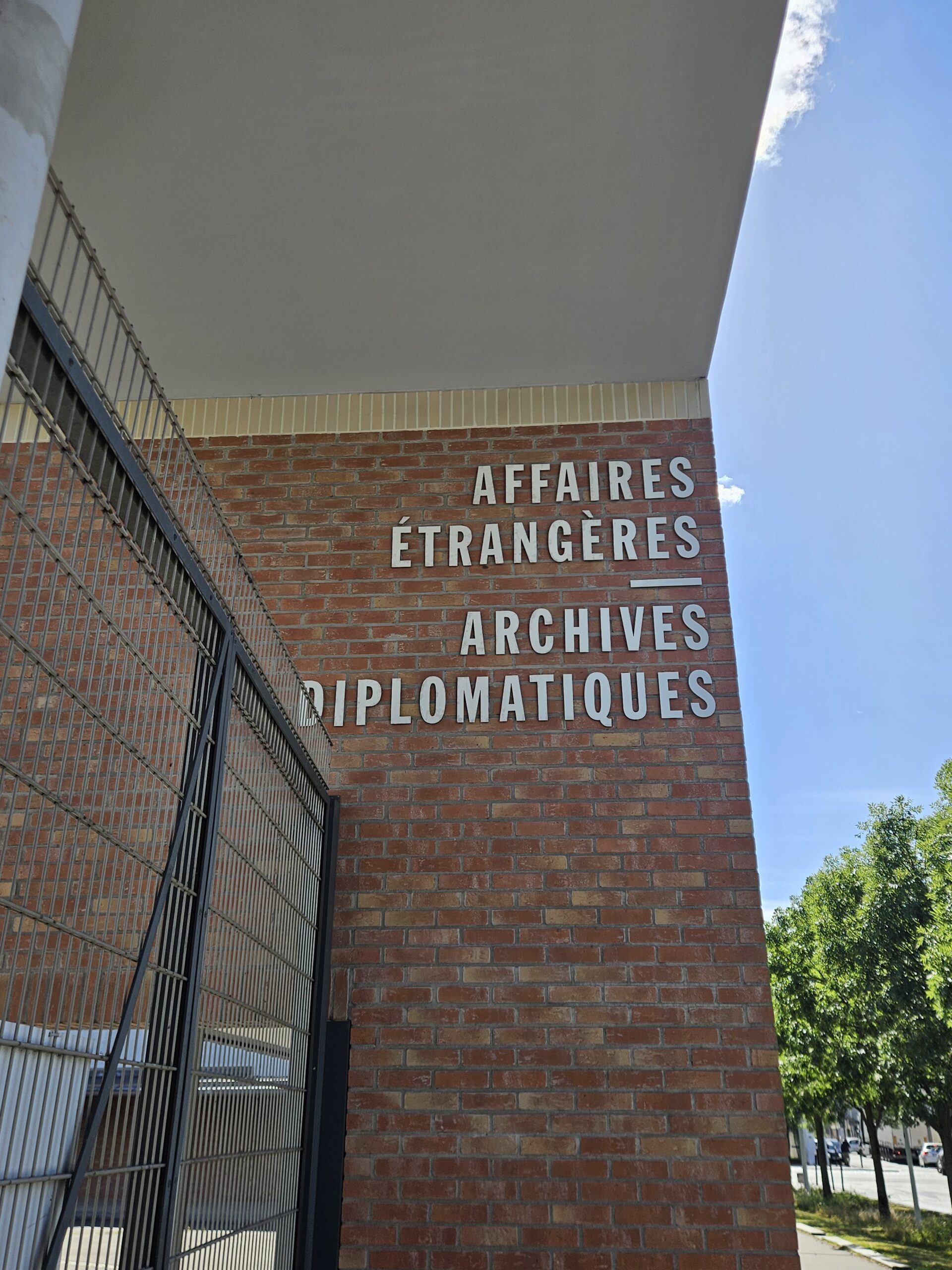
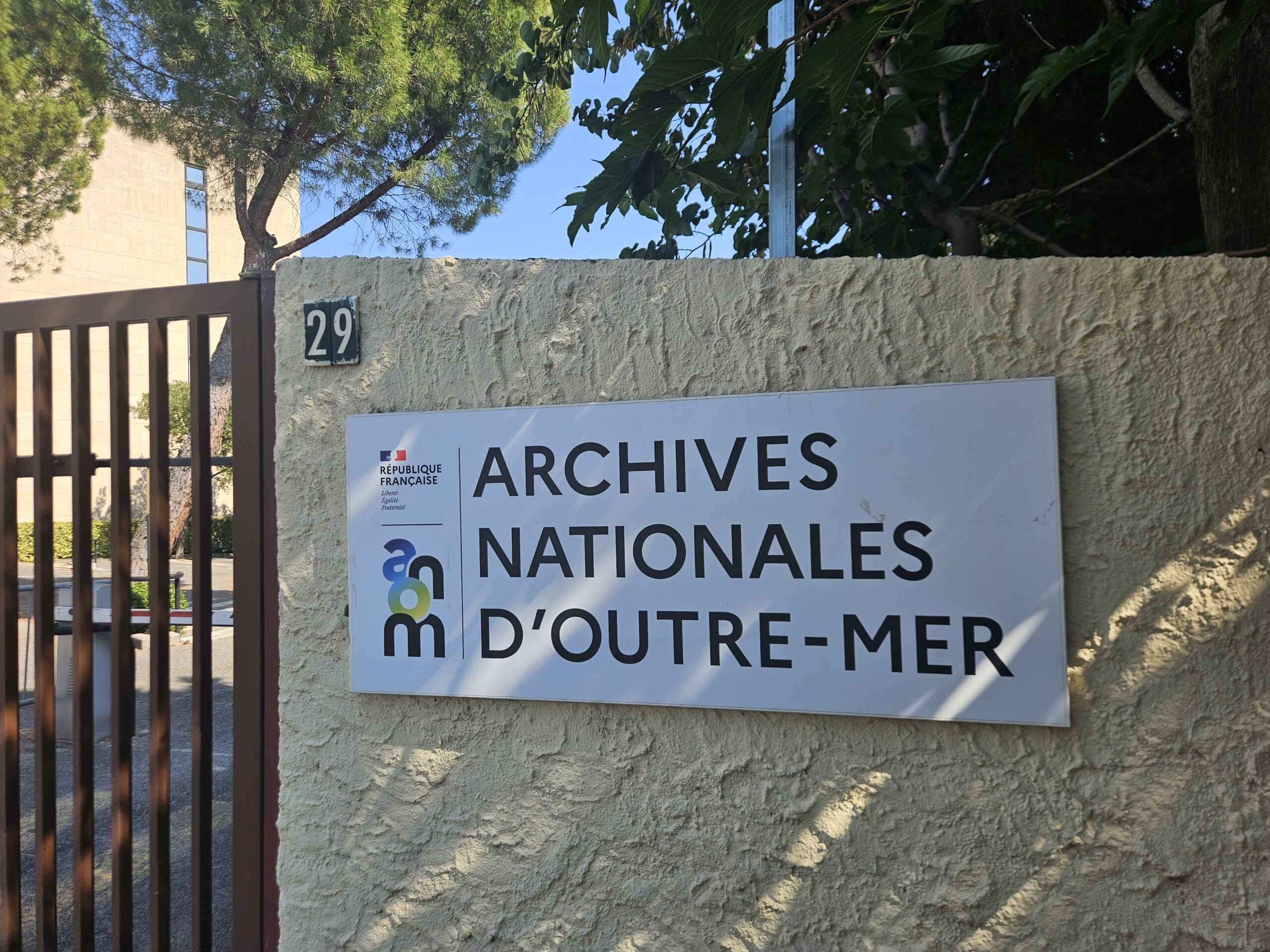
I had originally planned to conduct this research at the Archives nationales d’outre-mer in Aix-en-Provence. Unfortunately, the severe heatwaves that struck France in the summer of 2026 forced the institution to close during my scheduled dates. Historians must often adapt to such disruptions, and I was able to redirect my work productively to analyzing material from the Centre des Archives diplomatiques du ministère des Affaires étrangères in La Courneuve, just north of Paris.
The diplomatic archives proved remarkably rich. French consuls stationed in early twentieth-century Basra and Baghdad kept meticulous records of British administrative decisions: they collected clippings from local newspapers, monitored public sentiment toward the occupation, and closely analyzed why particular policies succeeded or failed. This intelligence mattered to French officials in the region, who regularly measured their own policy adjustments in Syria against British experience in Iraq. What struck me most was the almost competitive quality of this diplomatic surveillance, a kind of “keeping up with the Joneses” between empires. The records reveal French frustration when British policies succeeded when their own failed, alongside evident satisfaction when French officials believed the British were emulating initiatives France had already implemented.
This dynamic of imperial surveillance is, of course, a familiar pattern in diplomatic history; states and empires have long monitored one another to exploit weaknesses or replicate successes. What was new to me was the vantage point it offered on Mandatory Iraq specifically. Much of the existing scholarship has moved beyond British administrative records to recover the experiences and voices of Iraqis living under occupation, while other studies situate Iraq within the broader British imperial system, particularly its connections to the Raj in South Asia. Comparatively underexplored, however, is Mandatory Iraq’s place within the wider fabric of international politics during this period as a case study that other powers watched closely, drawing from it both cautionary lessons and models worth mimicking. Thanks to the PS2 grant, I was able to trace this French political engagement with Mandatory Iraq, a dimension that will substantially enrich my dissertation.