TCB: The Toni Cade Bambara School of Organizing
Wed, Mar 4, 2026
5:30 PM–8:30 PM
Martin E. Segal Theater, CUNY Graduate Center. This free screening is open to all. Space is limited. Please register to attend.
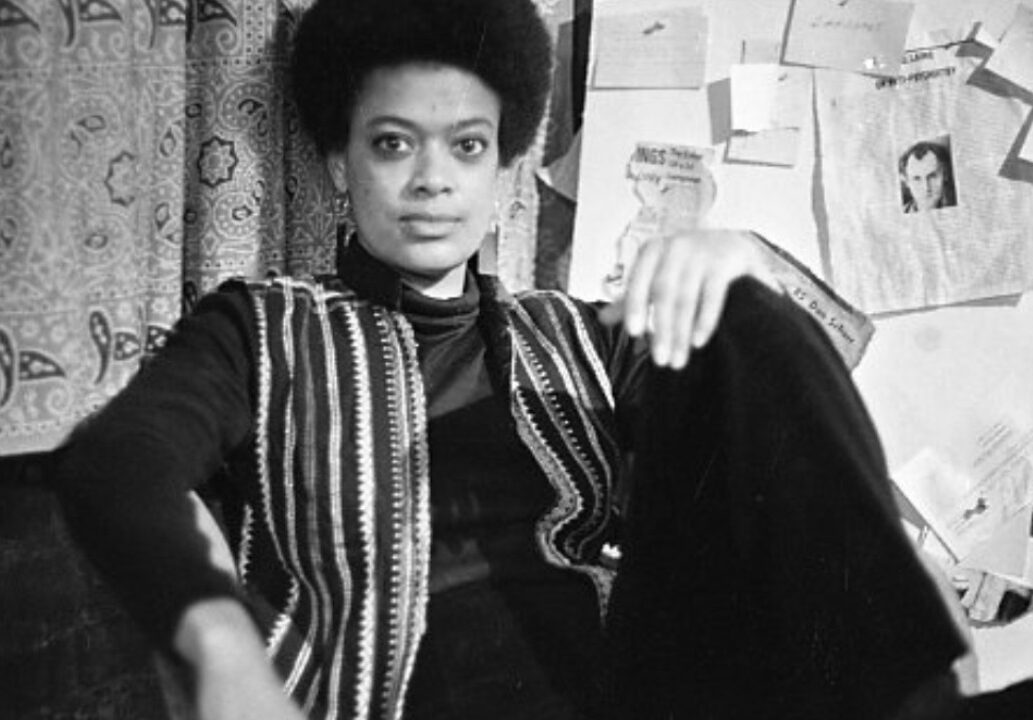
Please enjoy the video recording of the conversation with the filmmakers in dialogue with Bambara scholars and GC alums and photographs from the event below:


We recently gathered together for a screening of TCB: The Toni Cade Bambara School of Organizing—a new feature film directed by Louis Massiah and Monica Henriquez—that chronicles the incendiary life of one of CUNY’s most beloved teachers. The film highlights how we can learn from Bambara in a time of renewed questions around Black feminist internationalism, coalitions, and institutions-building, multi-media interventions, and partisan public studies.
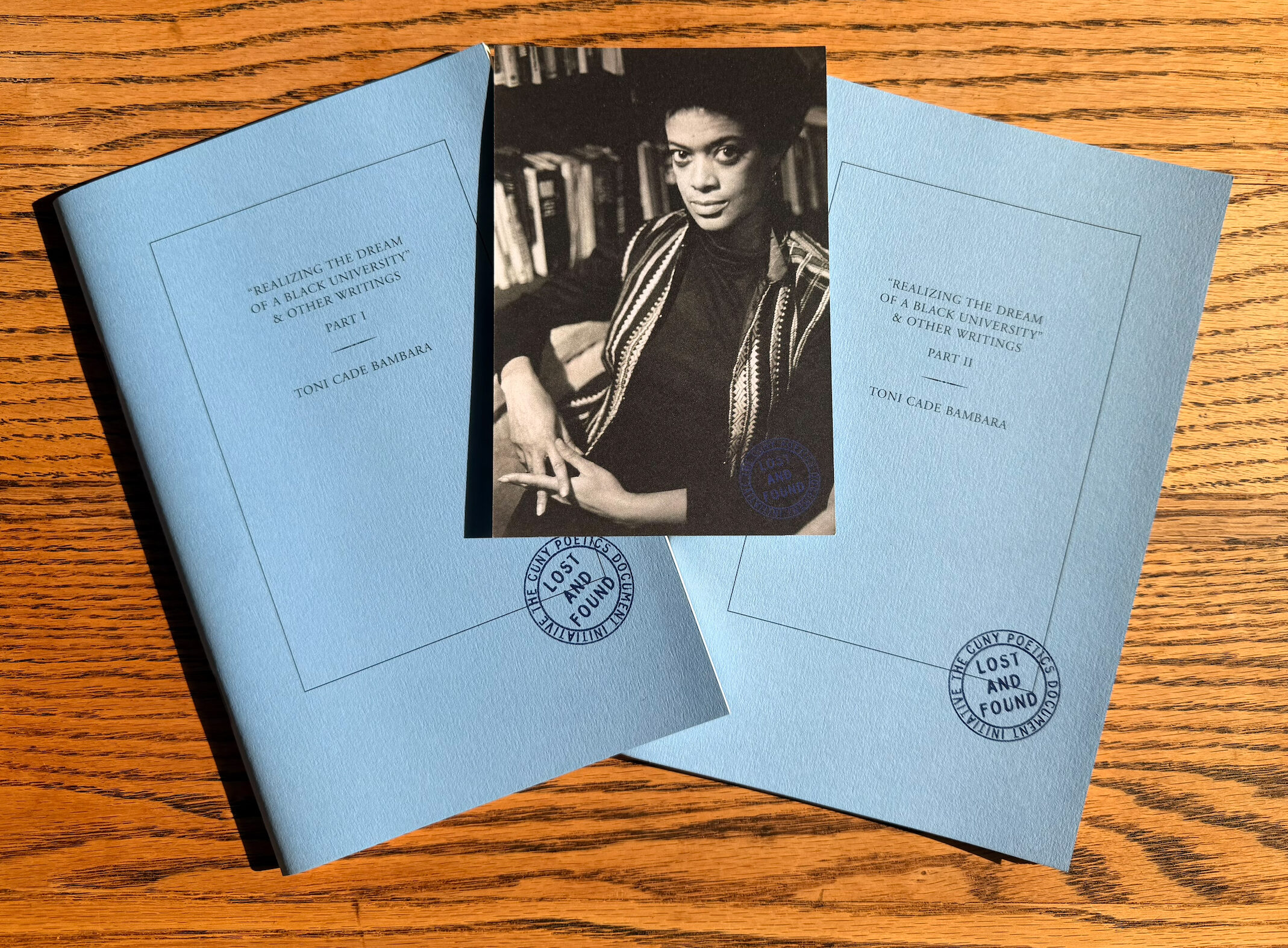
We were honored to bring Massiah and Henriquez to the CUNY Graduate Center to screen the film and, afterwards, to engage in a dialogue with Bambara scholars and GC alums Makeba Lavan and Conor Tomás Reed, moderated by CUNY Graduate Center studentsLucien Baskin and Janelle Poe. Free and open to all, we had copies of Lost & Found: The CUNY Poetics Document Initiative’s archival publication of Toni Cade Bambara’s teaching archives, “Realizing the Dream of a Black University edited by Lavan and Reed, available to all.
Participants
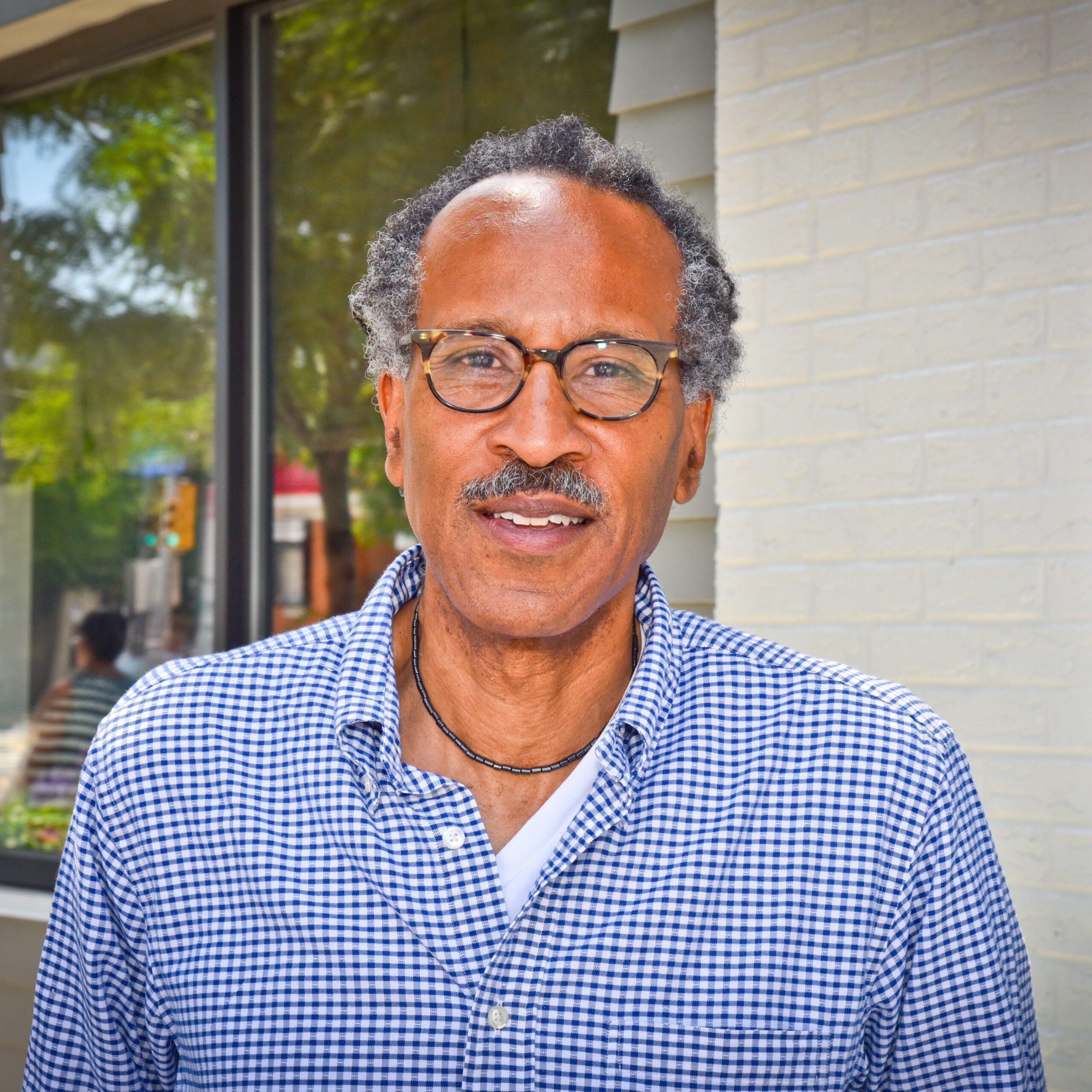
Louis Massiah is a documentary filmmaker and the founder of the Scribe Video Center in Philadelphia. His works include the documentaries The Bombing of Osage Avenue, W.E.B. Du Bois – A Biography in Four Voices, films for the Eyes on the Prize II series, Tenants of Lenapehocking in the Age of Magnets, and TCB – the Toni Cade Bambara School of Organizing. At Scribe, he has developed production methodologies that assist first-time makers author their own stories. He is a recipient of a MacArthur Foundation “Genius Award” fellowship and many other honors.

Monica Henriquez is a Venezuelan/Dutch filmmaker based in the UK. She trained at the BBC in the 1980s and has worked as editor/director on documentaries about North and South America, the Middle East, and Africa for European and US broadcasters. She is the editor and co-director of TCB – The Toni Cade Bambara School of Organizing. For over 2 decades, she has been filming and building a digital archive on Venezuela in the times of Hugo Chavez and beyond.
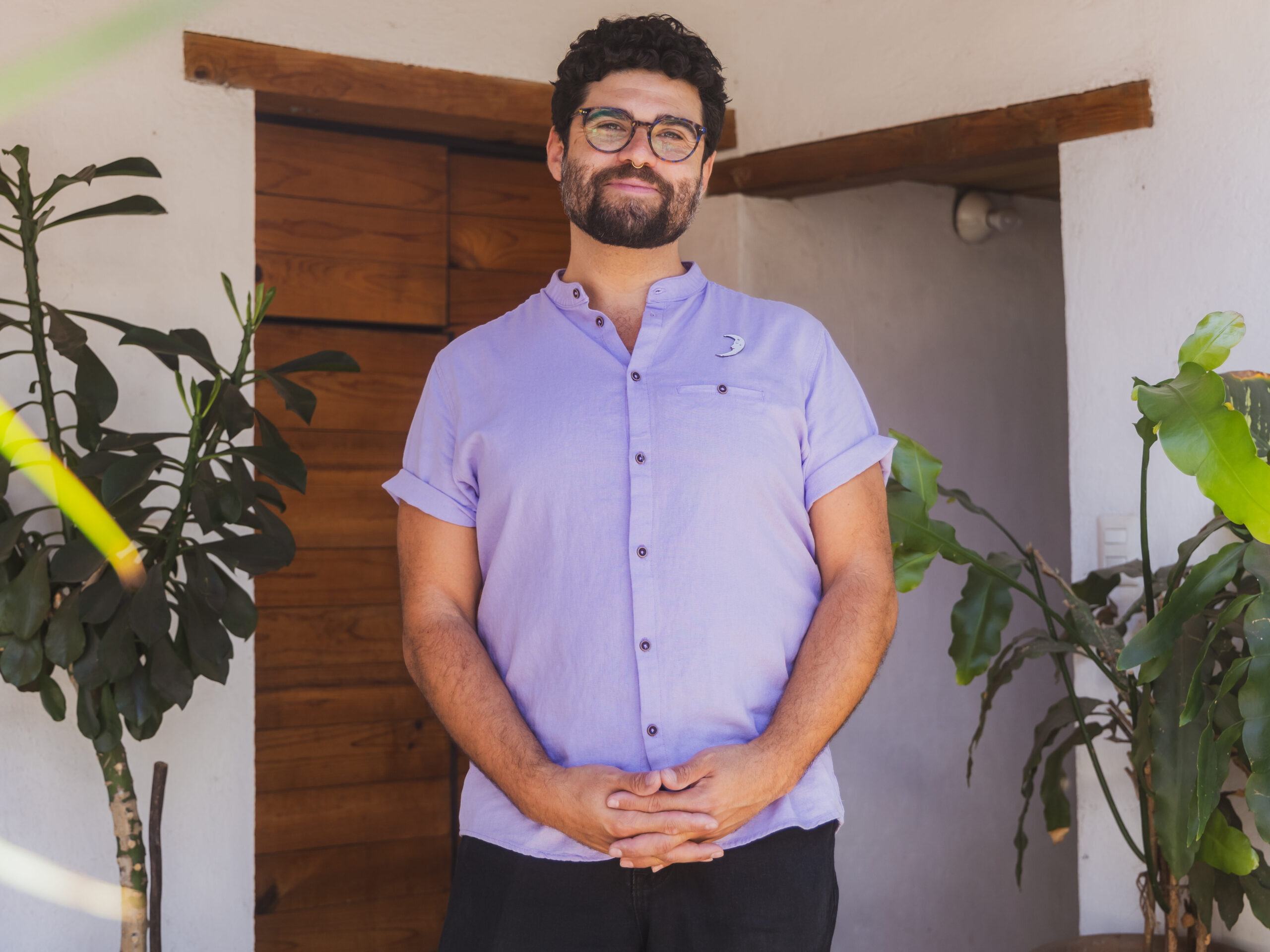
Conor ‘Coco’ Tomás Reed is a Puerto Rican~Irish, gender-fluid, street scholar of social movements in the Americas and the Caribbean, and the author of New York Liberation School: Study and Movement for the People’s University (2023). Coco is developing a new book project Hemisphere in Bloom, as well as a co-edited multilingual anthology Black Feminist Studies in the Americas and the Caribbean (Malpaís Ediciones), They collaborate with CLAGS: The Center for LGBTQ Studies and the CUNY Digital History Archive, and are a contributing editor with LÁPIZ Journal and Lost & Found:The CUNY Poetics Document Initiative. Coco has been immersed in two decades of struggles at the City University of New York and in New York City around transforming education and public space, anti-imperialism, police and prison abolition, solidarity with Palestine and Puerto Rico, reproductive rights, housing justice, and beyond, and is now based in Philadelphia.
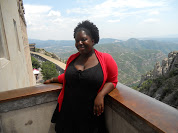
Makeba Lavan is an Assistant Professor of English at Grinnell College. Her research focuses on (African) American Studies, Afrofuturism/Speculative Fiction and Popular Culture. Makeba’s intellectual musings have been published in Africology: The Journal of Pan African Studies and Modern Language Studies. As part of Lost and Found: The CUNY Poetics Document Initiative, she co-edited “Realizing the Dream of A Black University,” & Other Writings, a collaborative publication of Toni Cade Bambara’s teaching materials from CUNY and Spelman College. Her current project explores the ways in which writers and artists of the African diaspora use speculative fiction to imagine and thus create better futures for Black people.
Moderators
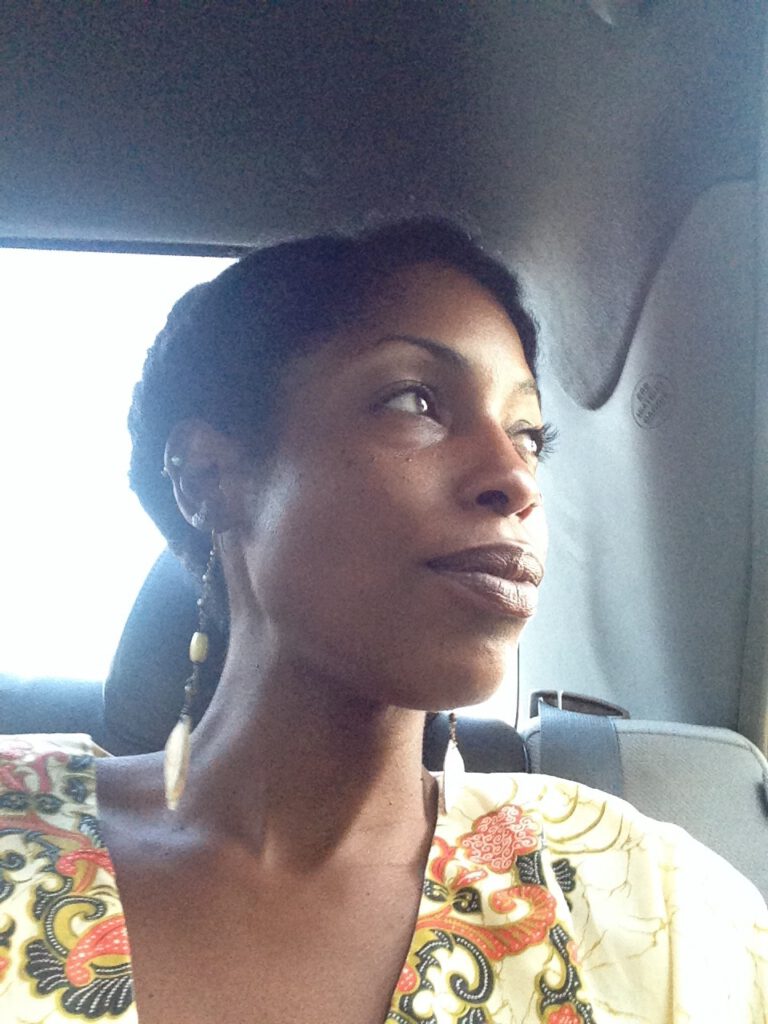
Janelle Poe
Lost & Found Archival Research Fellow
A PhD candidate in the English department, Janelle Poe’s research focuses on race and its intersections in African Diaspora, adaptation, film and media studies. Currently a fellow in the Teaching and Learning Centers at the Graduate Center and City College with teaching experience in English composition, creative writing and Black Studies at City College and Lehman College, she believes in the global right to free, accessible, high-quality education; learning and living communities where equity, diversity, freedom, and love are universal. A DJ and multidisciplinary artist, she has performed at and organized readings in numerous venues including Soul In The Horn, Shrine World Music Venue, and the Breakin’ BLACK Reachin’ Back conference on Black Rhetoric, Hip Hop and DJ Scholarship (2022). Recent publications include “Don’t Front, The 90’s Got You Open: AKA Hip Hop Will Always Be That And Then Some” in Happy Nostalgia: Making Connections With Music of the 90’s edited by David T. Humphries and Justin Rogers-Cooper. A graduate of UNC-Chapel Hill and CUNY-City College and lifetime music lover, she loves singing, writing, record shopping, dancing, and making stuff by hand.
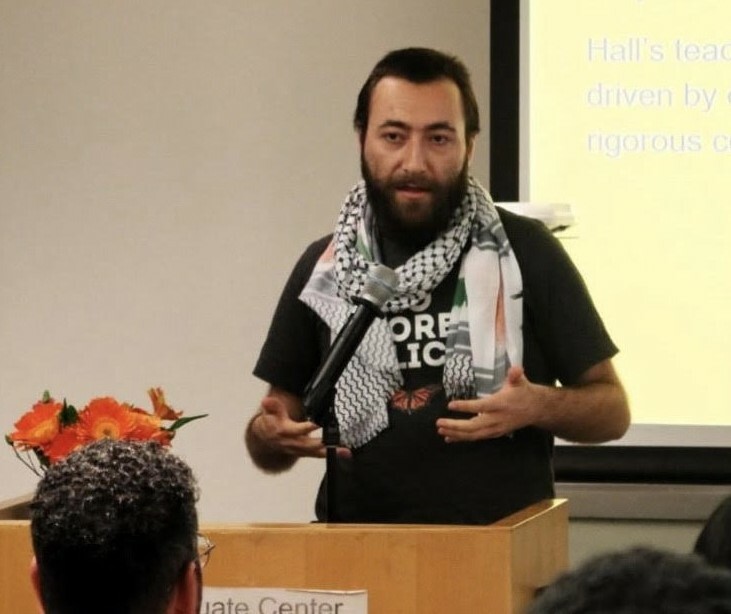
Lucien Baskin
Lost & Found Archival Research Fellow
ERI/PS2 Public Research Fellow
Lucien Baskin is a doctoral student in Urban Education at the Grad Center researching abolition, social movements, and the university. Their dissertation focuses on histories of solidarity and organizing at CUNY. Lucien’s writing has been published in outlets such as Truthout, Society & Space, The Abusable Past, and Mondoweiss. Currently, they serve as co-chair of the American Studies Association Critical Prison Studies Caucus, are an inaugural Freedom and Justice Institute fellow at Scholars for Social Justice, and work as a media and publicity fellow at Conversations in Black Freedom Studies at the Schomburg Center. They organize with the Graduate Center for Palestine and are a (strike-ready!) rank-and-file member of the PSC.
Preceding this event, we hosted related pedagogy workshop, “Realizing the Dream of a Black University: Pedagogy Workshop on Toni Cade Bambara“. Click here for more information and to RSVP.
Toni (Miltona Mirkin) Bambara was born on March 25, 1939 in Harlem, New York, where she spent her childhood immersed in neighborhood learning and performance spaces. She studied at Queens College and City College of New York, CUNY, where she also taught, before going to Livingston College in New Jersey. In 1974, Bambara moved to Atlanta, Georgia, where she began to write full-time and teach in homes, community centers, and various campuses. In 1985, she again moved to Philadelphia, where she nurtured the rise of Black independent cinema. Throughout her life, the prolific writer produced a wide array of fiction, essays, screenplays, anthologies, and film treatments. Bambara died of colon cancer on December 9, 1995, at the age of 56.

This event is hosted by the Center for the Humanities, and Lost & Found: The CUNY Poetics Document Initiative at the CUNY Graduate Center, and is co-sponsored by the Center for Place, Culture, and Politics, the Teaching and Learning Center, the Ph.D. Program in English, the Ph.D. Program in Urban Education, the M.A. in Digital Humanities Program, The Center for the Study of Women and Society, and Conversations in Black Freedom Studies at the Schomburg Center.
Related Events
Conversation
We Know It Well: Red Scare at CUNY and the Archival Politics of Dissent
Book Launch & Conversation
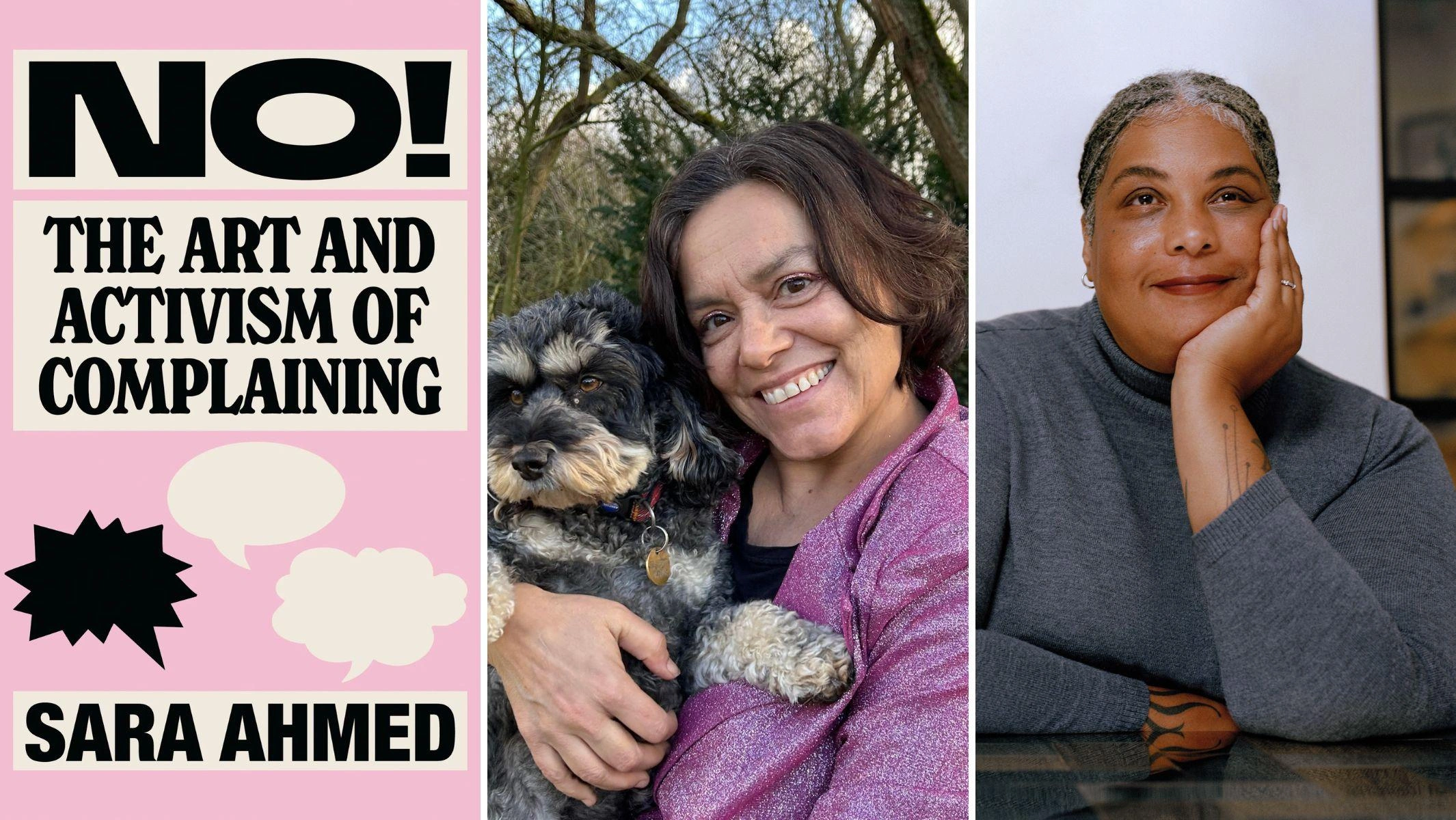
Sara Ahmed presents NO!: The Art and Activism of Complaining with Roxane Gay
Book Launch & Conversation
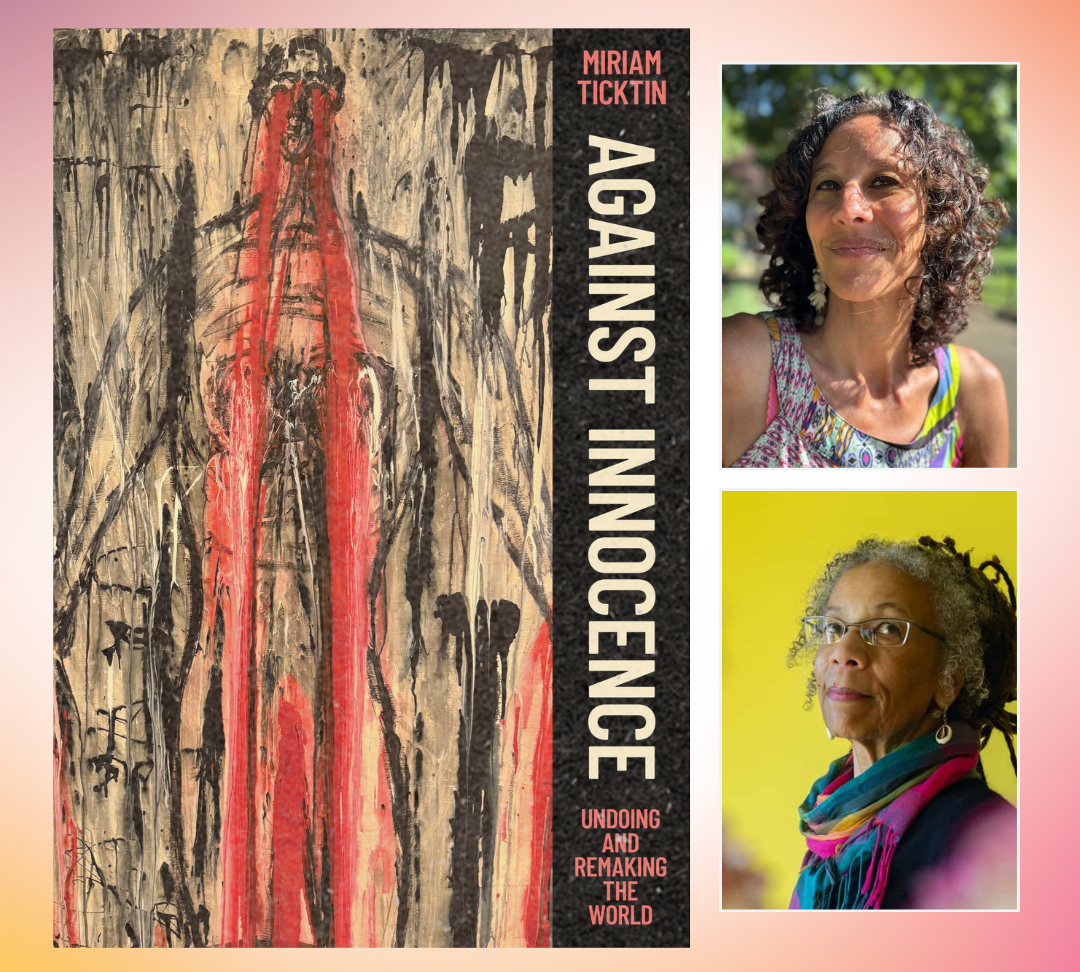
Against Innocence: Miriam Ticktin in Conversation with Ruth Wilson Gilmore
Community Gathering, Conversation & Celebration
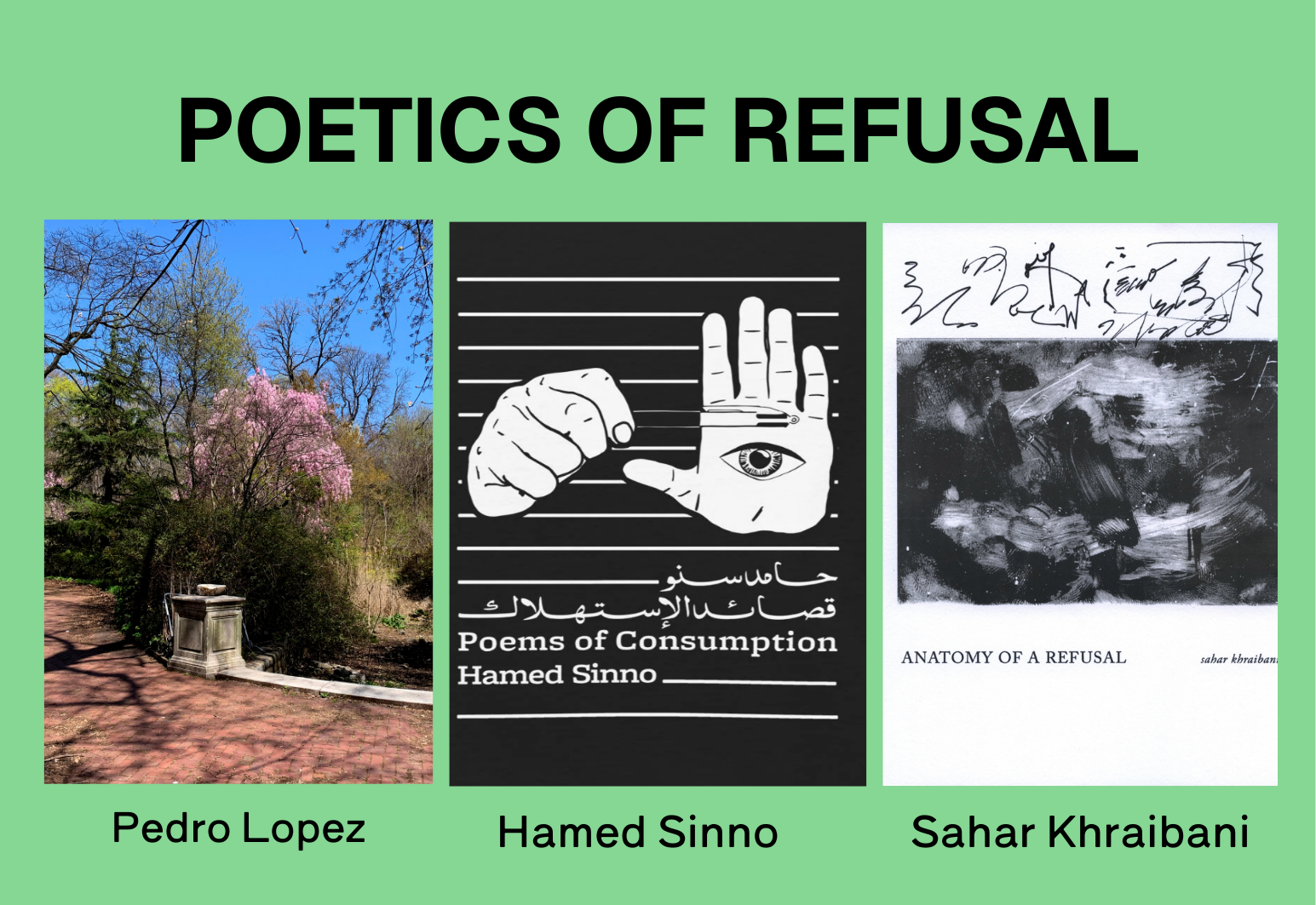
Poetics of Refusal
Conference
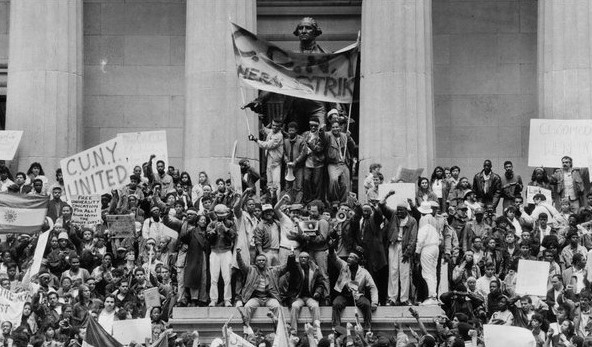
Student Movements and Social Justice: Histories and Futures
Workshop
“Realizing the Dream of a Black University”: Pedagogy Workshop on Toni Cade Bambara
2026 Lost & Found Fellows Showcase: New Poetics and Archival Research Projects
Conversation
LIVING ROOM: June Jordan’s legacy in a time of genocide & policing
Conversation & Screening
Embracing “Meanwhile”: A Visionary Cinematic Exploration of Race and Resistance
Conversation & Screening
The Five Demands: Film Screening and Discussion
Reading & Celebration
Celebrating the Life and Legacy of Diane di Prima: Presented by her Family