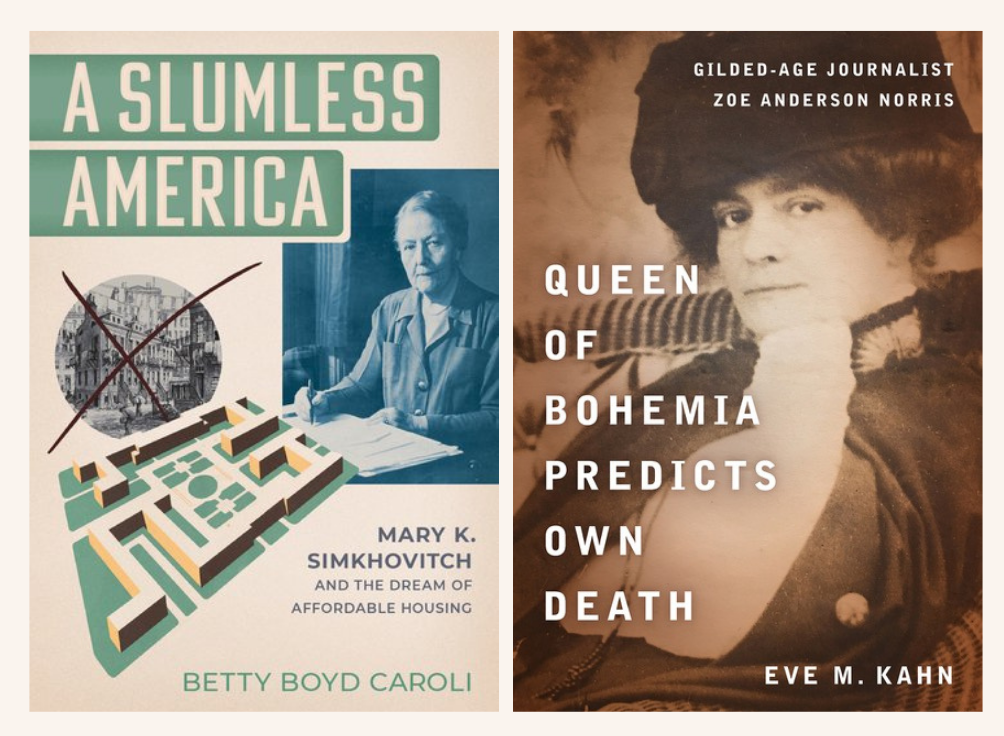
Justice for Jehanne: Book Launch and Conversation with Sara McDougall
Tue, Oct 13, 2026
6:00 PM–7:30 PM
Martin E. Segal Theatre, CUNY Graduate Center, 365 5th Ave, NYC. Free and open to all. Register to attend.
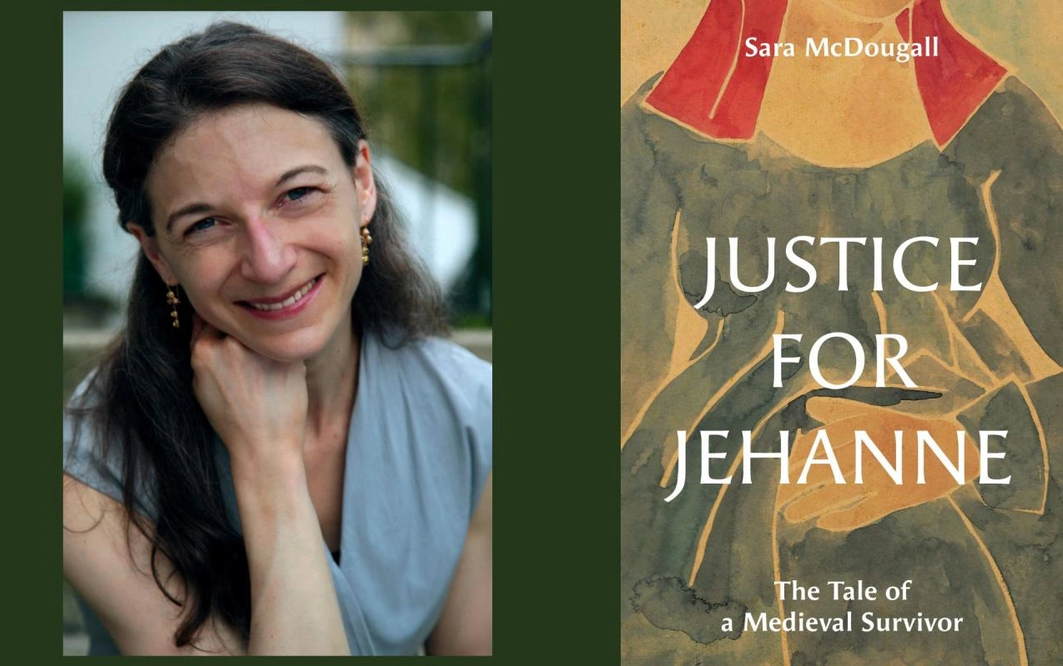
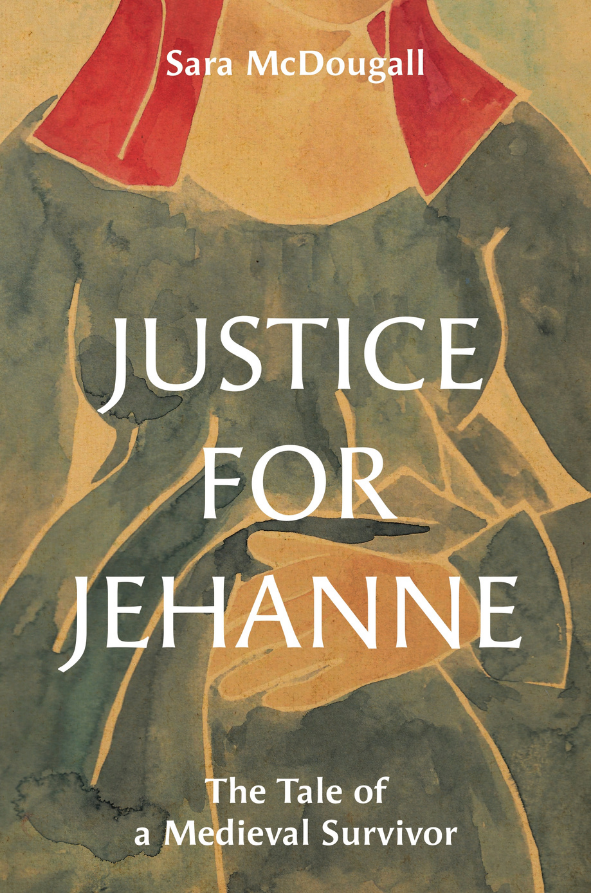
Join author and scholar Sara McDougall for a reading and conversation to celebrate the launch of her book Justice for Jehanne: The Tale of a Medieval Survivor a narrative history that defies modern assumptions about women’s lives in the Middle Ages and informs contemporary debates about sexual violence and the limits of justice.
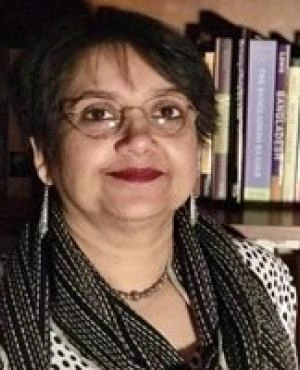
Following her reading, Sara McDougall will be joined in conversation with fellow historian Swapna M. Banerjee and scholar Deborah Lutz.
The conversation will be followed by a Q&A and a book signing with the author. Read more about the participants and the book below.
About the participants
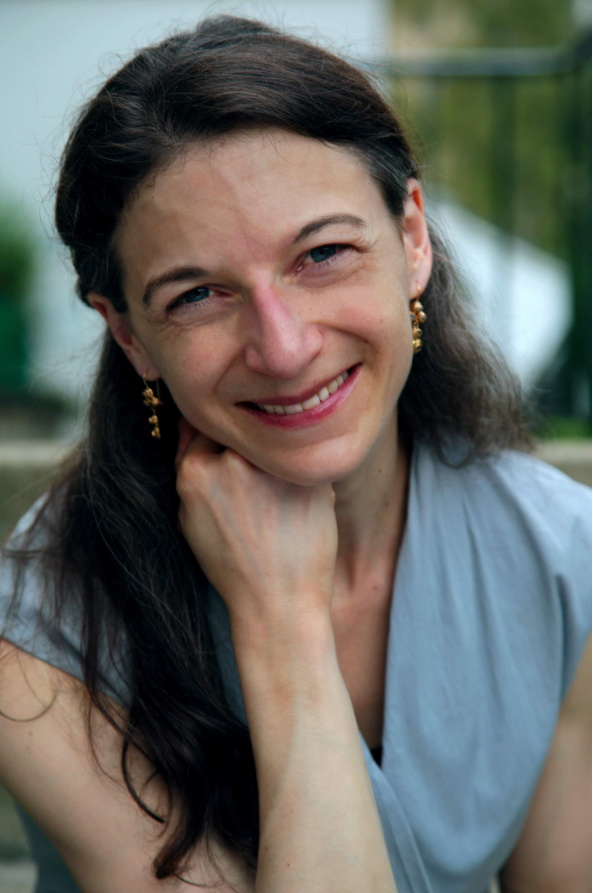
Sara McDougall is professor of history at John Jay College of the City University of New York and is on the faculty in Biography and Memoir, French, History, and Medieval Studies at the CUNY Graduate Center. She is the author of Royal Bastards: The Birth of Illegitimacy, 800–1230 and Bigamy and Christian Identity in Late Medieval Champagne. Her fellowships include the Cullman Center for Scholars and Writers at the New York Public Library.
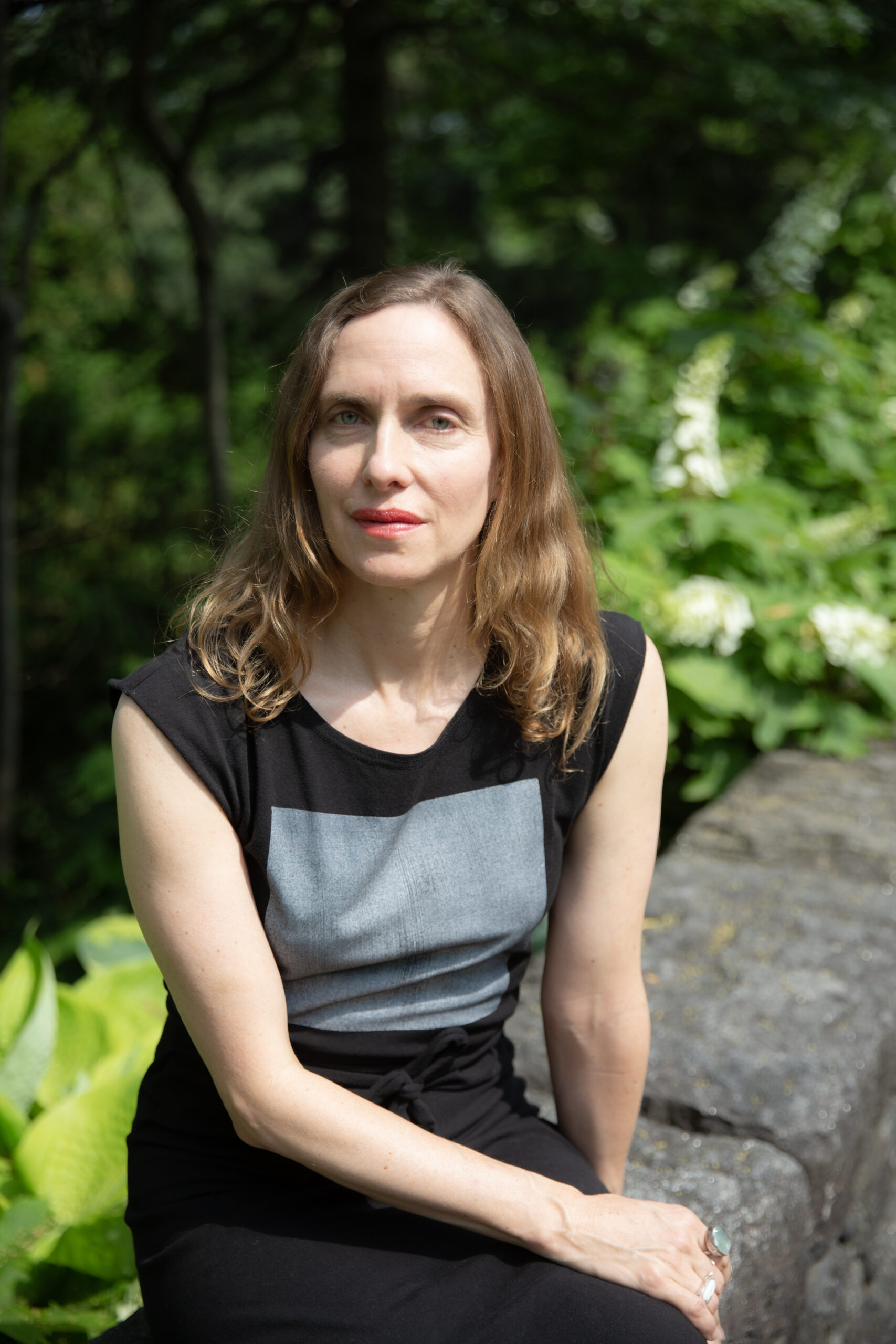
Deborah Lutz is a scholars of Victorian literature, material culture, the history of sexuality, gender and LGBTQ+ studies, and the history of the book. She is the author of six books, and her newest one, This Dark Night: Emily Brontë, A Life, is a New York Times Book Review Editor’s Choice. She has received fellowships from the Guggenheim Foundation, the National Endowment for the Humanities, the American Council of Learned Societies, the Mellon Foundation at the Huntington Library, and the New York Public Library’s Cullman Center for Scholars and Writers. She is also a fellow of the New York Institute for the Humanities. Her writing has appeared in numerous journals, including the New York Times. She has been interviewed by the New York Times, the History Channel, National Public Radio, and other venues. She has been invited to speak at the Smithsonian, the New York Public Library, Oxford University, University of London, and elsewhere. She received her PhD from the Graduate Center of the City University of New York.
Swapna M. Banerjee’s research lies at the intersection of gender, class, race, and ethnicity in colonial South Asia and it focuses on women, servants, children, fathers, masculinity, domesticity, and family. Her book Men, Women and Domestics: Articulating Middle-Class Identity in Colonial Bengal employs the lens of employer-servant relationships to understand the construction of national identity in colonial Bengal. In In Men, Women and Domestics: Articulating Middle-Class Identity in Colonial Bengal , Banerjee restored domestic workers in India’s colonial history for the first time. She is a member of the Board of Directors of an UN-registered NGO, Women’s Founder’s Collective.
More about Justice for Jehanne
In the winter of 1472, the city of Dijon, France, became the stage for a remarkable legal drama. On the mayor’s orders, an investigator named Jaques Borestel went door-to-door questioning his neighbors about an alleged sexual assault—and about the victim’s history and place in the community. At the center of Jaques’s inquiry was a woman named Jehanne, who took the unusual step of making a criminal complaint in an age when victims of sexual violence did so at their own peril. Justice for Jehanne follows Jaques’s investigation as he uncovers one woman’s story of resilience and survival.
Applying forensic analysis to witness testimony and Jaques’s case files, Sara McDougall finds in Jehanne a woman of many lives and many secrets. An outsider on her own in Dijon, Jehanne had every reason to distrust the local authorities, who regularly extorted money from the city’s most vulnerable residents. Separating facts from falsehoods, McDougall challenges preconceptions about the experiences of marginalized women in medieval France, showing how neighbors, clergy, and other residents aided Jehanne throughout her legal struggles—and how justice of a sort was exacted from her attackers.
Richly detailed and powerfully told, Justice for Jehanne paints an unforgettable portrait of a woman who mounted an extraordinary response to a crime that was so difficult to prosecute at the time, and of a community that gave her shelter, protection, and acceptance as she endeavored to survive on her own terms.
This event is presented by the Biography and Memoir Program, Medieval Certificate Program, Leon Levy Center for Biography, PS2, and the Ph.D. Programs in Comparative Literature, French, History at the CUNY Graduate Center.

Related Events
Conversation
Feminist Biography and Social Justice: A Conversation