Decolonizing Afghanistan: Countering Imperial Knowledge and Power
Wed, May 13, 2026
6:00 PM–8:00 PM
Skylight Room (9100), CUNY Graduate Center. Free and open to the public. Register to attend.
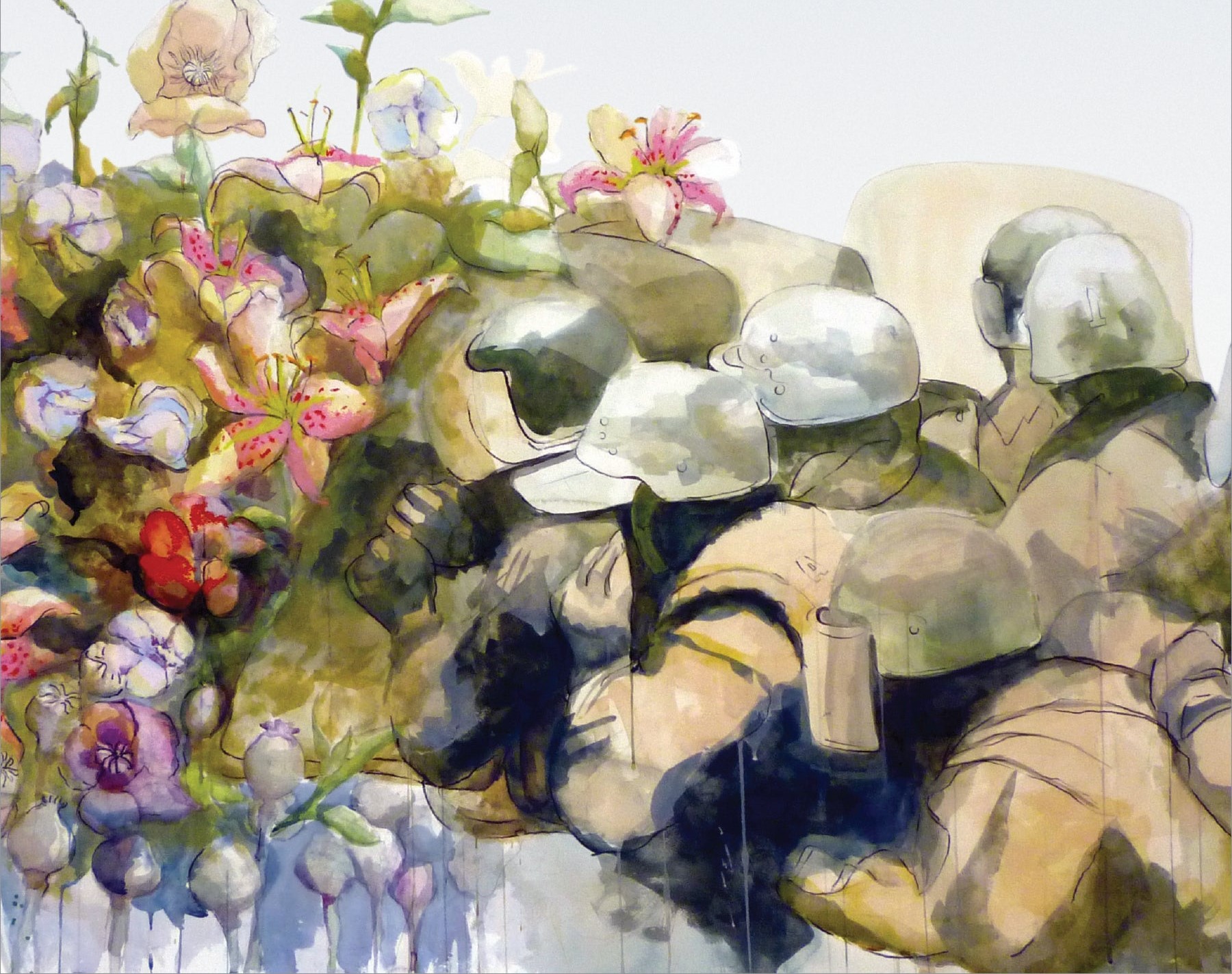
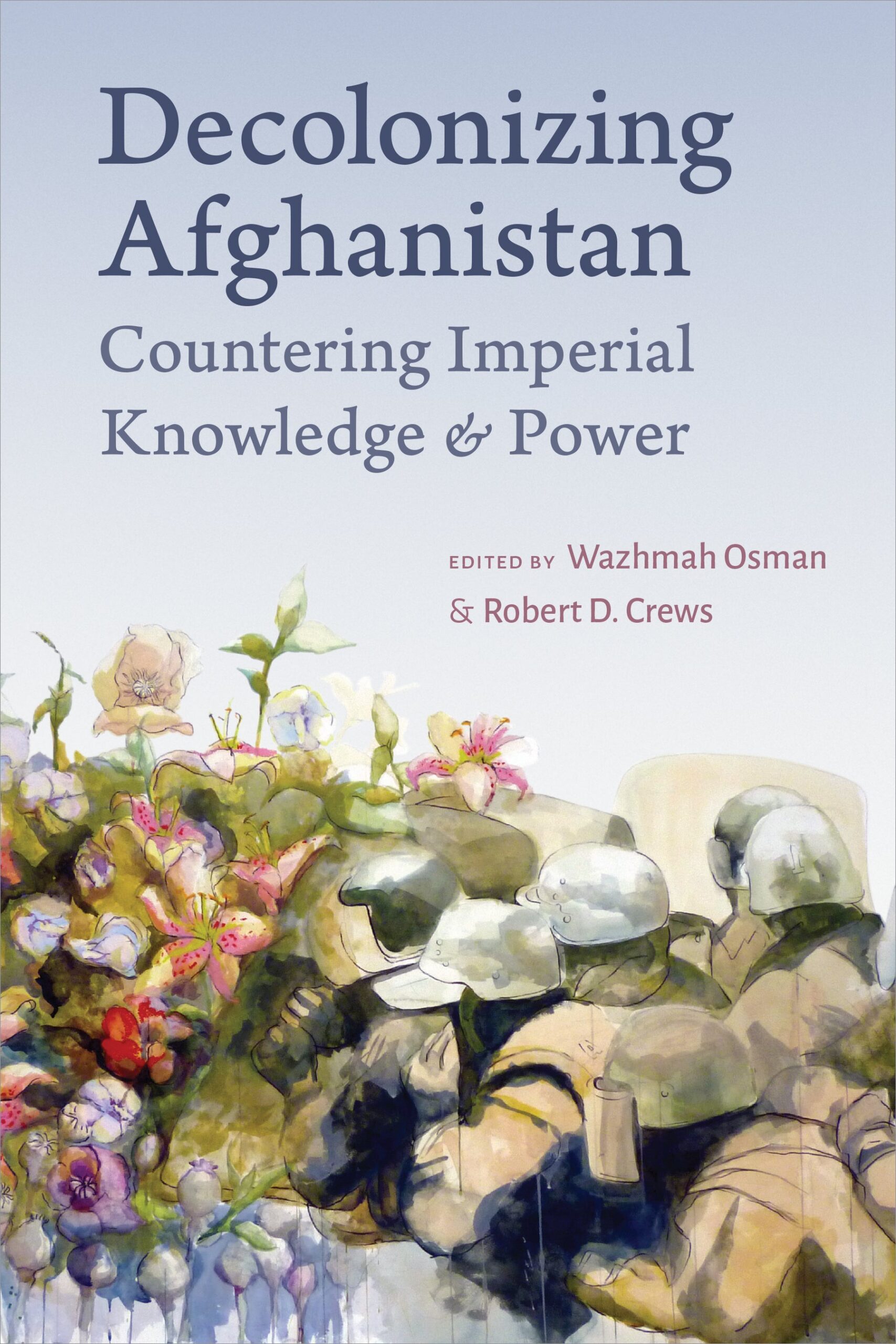
Join us for a reading and conversation featuring writers from this groundbreaking collection, Decolonizing Afghanistan: Countering Imperial Knowledge and Power (Duke University Press; edited by Wazhmah Osman and Robert D. Crews), which is the first comprehensive volume to explore the impact of empire on Afghanistan’s past and present. We will be joined by Zohra Saed, Moustafa Bayoumi, Wazhmah Osman, and Morwari Zafar, who will share cross-disciplinary, ground-up perspectives on colonial projects in Afghanistan and paths to decolonial futures. With a particular focus on the US intervention that began in 2001, the collection marks a decolonial turn in Afghanistan and American studies.
Participants

Morwari Zafar
Dr. Morwari Zafar is an anthropologist and the founder of The Sentient Group, a research, education, and training consulting firm in Washington DC. She has worked in both the international development and defense sectors, focusing on the use of cultural knowledge in U.S. security force trainings. She served as a Next Generation National Security Leaders Fellow at the Center for a New American Security in 2016, and as a Fellow-in-Residence at Oxford’s Rothermere American Institute in 2022, conducting research on gun rights activism and militias in Virginia. She has a PhD in anthropology from the University of Oxford, a MA in anthropology from George Washington University, and a BA in English from the University of Puget Sound.

Moustafa Bayoumi
Moustafa Bayoumi is the author of How Does It Feel To Be a Problem?: Being Young and Arab in America (Penguin), which won an American Book Award and the Arab American Book Award for Non-Fiction and This Muslim American Life: Dispatches from the War on Terror (NYU Press), which was chosen as a Best Book of the Year by The Progressive magazine and also won the Arab American Book Award for Non-Fiction. He is the co-editor (with Andrew Rubin) of The Edward Said Reader (Vintage), which has been reissued in an expanded edition as The Selected Works of Edward Said (1966-2006). An accomplished journalist as well as a professor of literature, Bayoumi has written for The New York Times, New York Magazine, The Nation, The London Review of Books, The Chronicle of Higher Education, and many other places. He writes a regular column for The Guardian on politics and culture.

Wazhmah Osman
Wazhmah Osman is a filmmaker and associate professor in the Klein College of Media and Communication at Temple University. Her research and teaching are rooted in feminist media ethnographies that focus on the political economy of global media industries and the regimes of representation and visual culture they produce. She is the author of Television and the Afghan Culture Wars: Brought to You by Foreigners, Warlords, and Activists (2020), which won the 2021 Activism, Communication, and Social Justice Outstanding Book Award of the International Communication Association. She has published in leading journals, including the coauthored article “Decolonizing Transnational Feminism” (2024) in the Journal of Middle East Women’s Studies. Osman has appeared as a commentator on Democracy Now!, NPR, and Al Jazeera, among other news outlets.
Zohra Saed
Lost & Found Faculty Editor
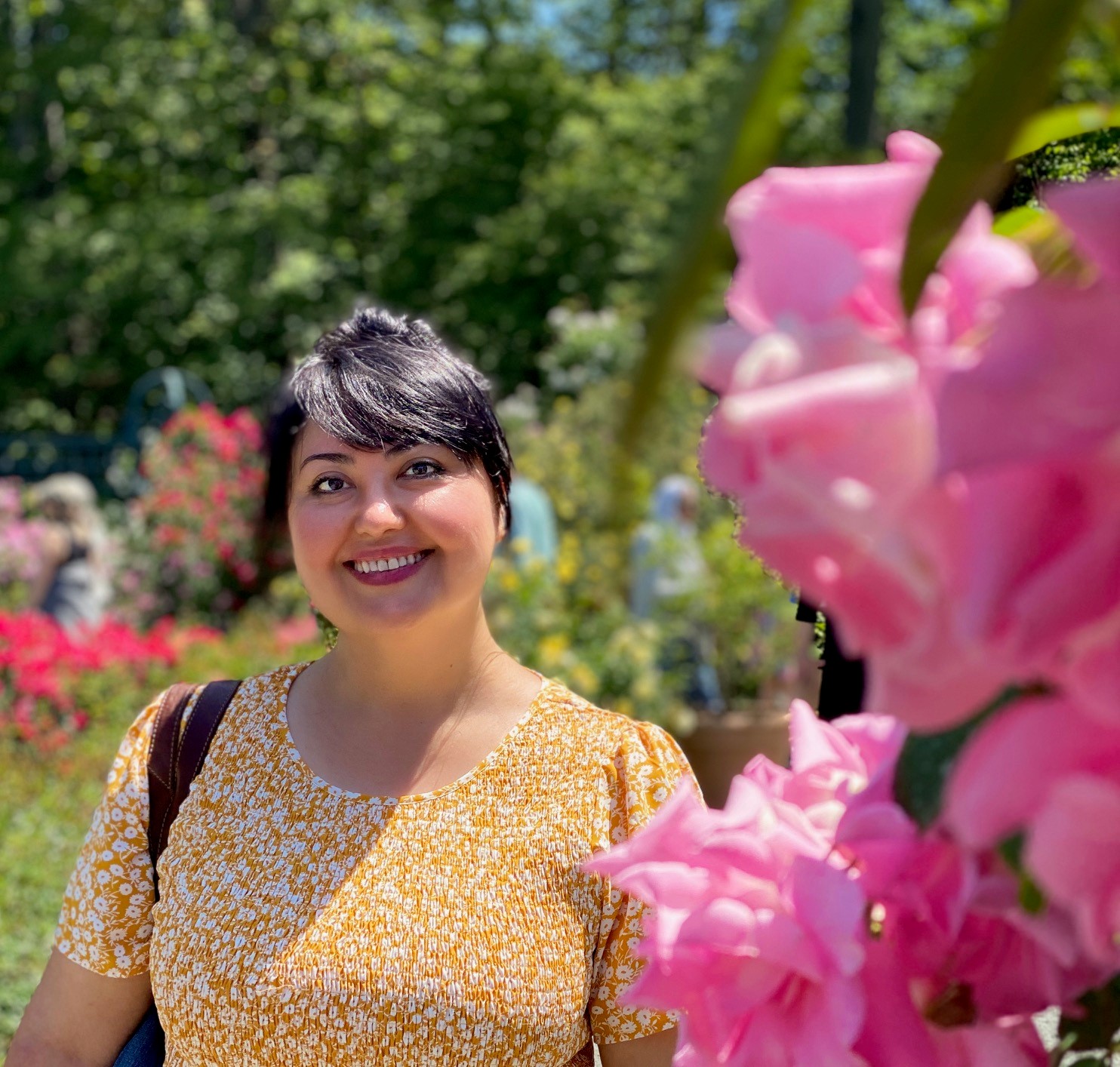
Zohra Saed is the co-editor of One Story, Thirty Stories: An Anthology of Contemporary Afghan American Literature (University of Arkansas Press) and editor of Langston Hughes: Poems, Photos and Notebook from Turkestan (Lost & Found, The CUNY Poetics Documents Initiative). She is a Distinguished Lecturer at Macaulay Honors College and Lost & Found Faculty Editor and Mentor at the CUNY Graduate Center.
This event is hosted and organized by the Center for the Humanities at the CUNY Graduate Center.
Related Events
Book Launch & Reading
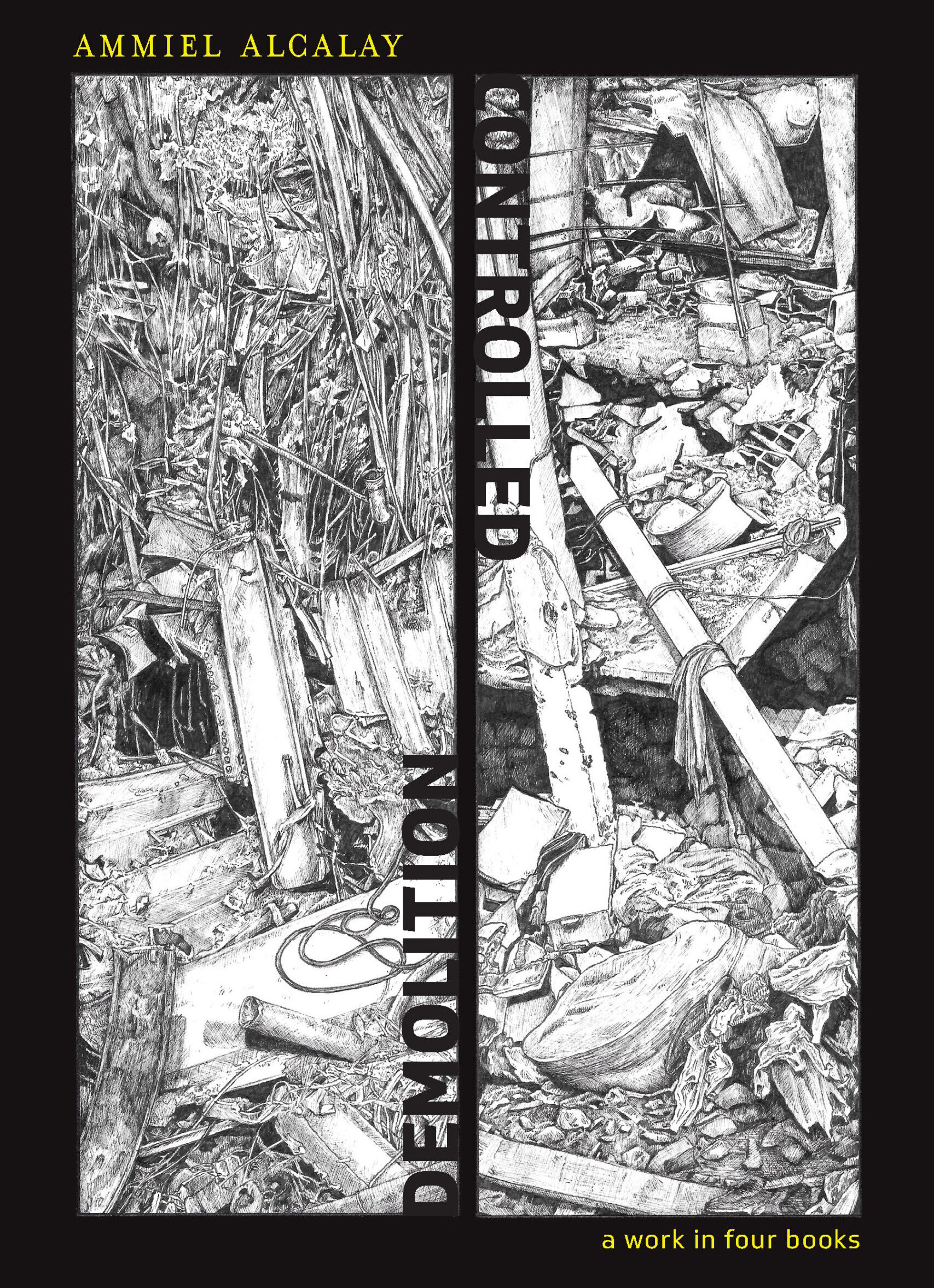
<em>CONTROLLED DEMOLITION</em>: Book Launch & Reading with Ammiel Alcalay
Panel Discussion
The Craft We Didn’t Learn: Retroactive Writing Advice from the Archives

