People

Foiniki Papadopoulou
ERI/PS2 Public Research Fellow
Foiniki Papadopoulou is a PhD student in Cultural Anthropology at CUNY Graduate Center and a lecturer at Lehman College. Her research focuses on sites in Cyprus that operate simultaneously as material repositories of violence and as generative arenas where counterhegemonic historical discourses and political futures are imagined and experimented with. Foiniki is a 2026 ERI/PS2 Summer Fellow.
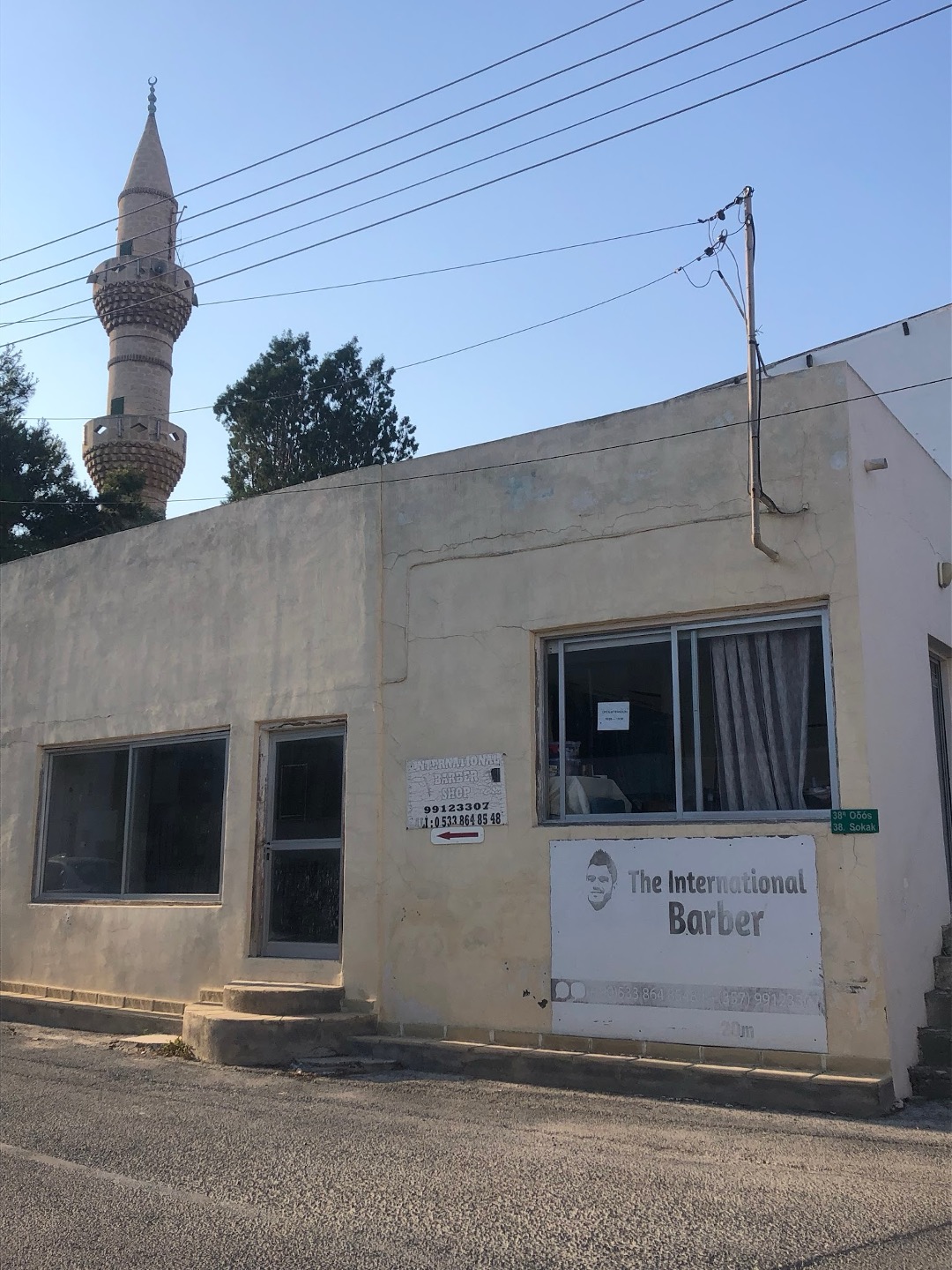
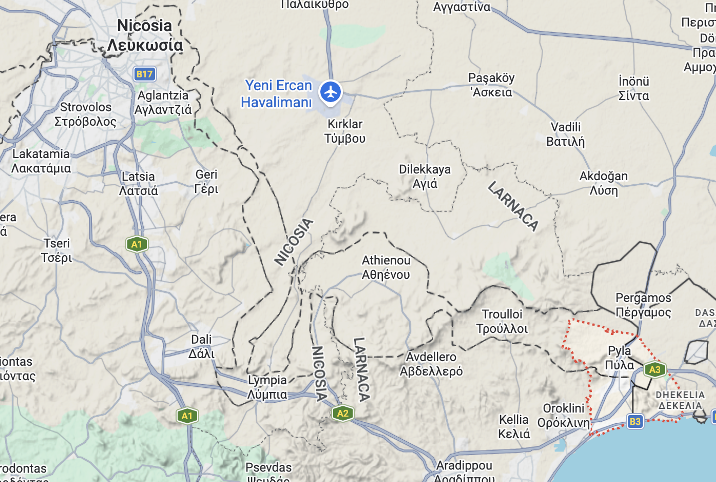
If settlements were the only traces of human presence typically indicated on maps, one might assume that getting to Pyla from Nicosia would be relatively straightforward. Yet maps also mark some of the routes through which people move, and obstacles that prevent them from doing so. The imaginary line connecting Nicosia to Pyla is thus intercepted by a pair of winding double dotted lines marking the UN buffer zone that has cut across the island since 1974, functioning as the de facto partition line between north and south. Pyla/Pile is in certain ways an exceptional place within Cyprus in that it is one of four villages located entirely within the buffer zone, and the only one of those that to this day remains inhabited by both Greek- and Turkish-Cypriots.
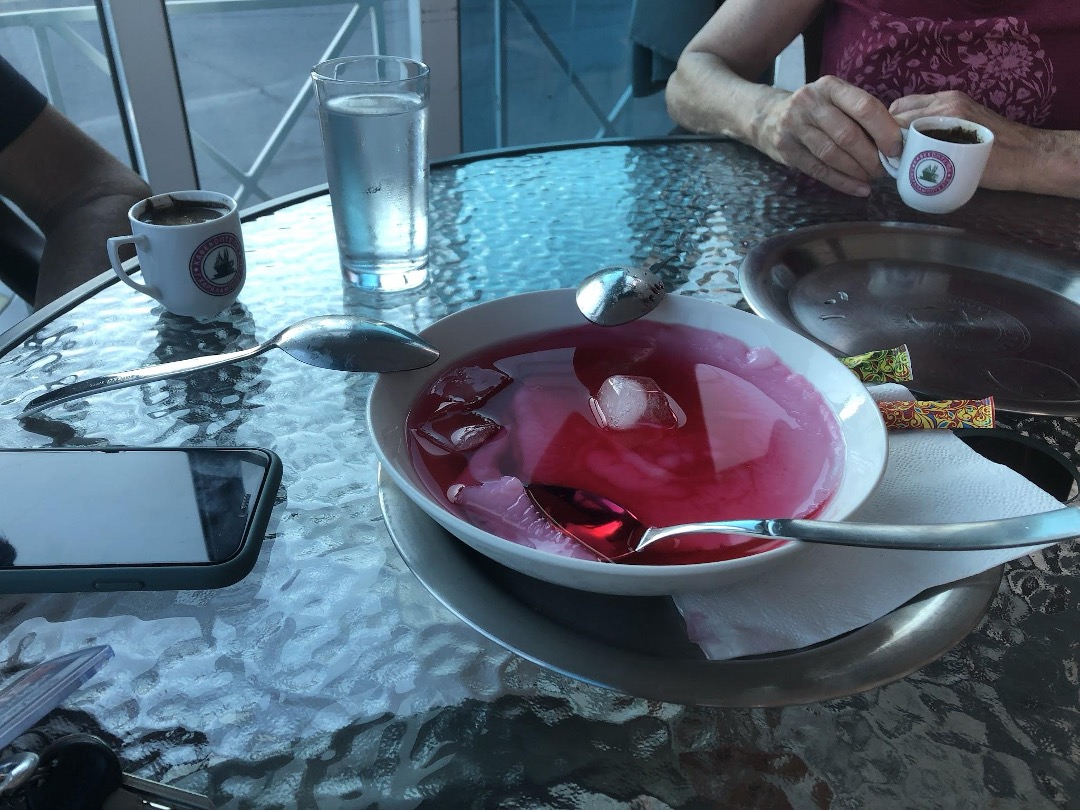
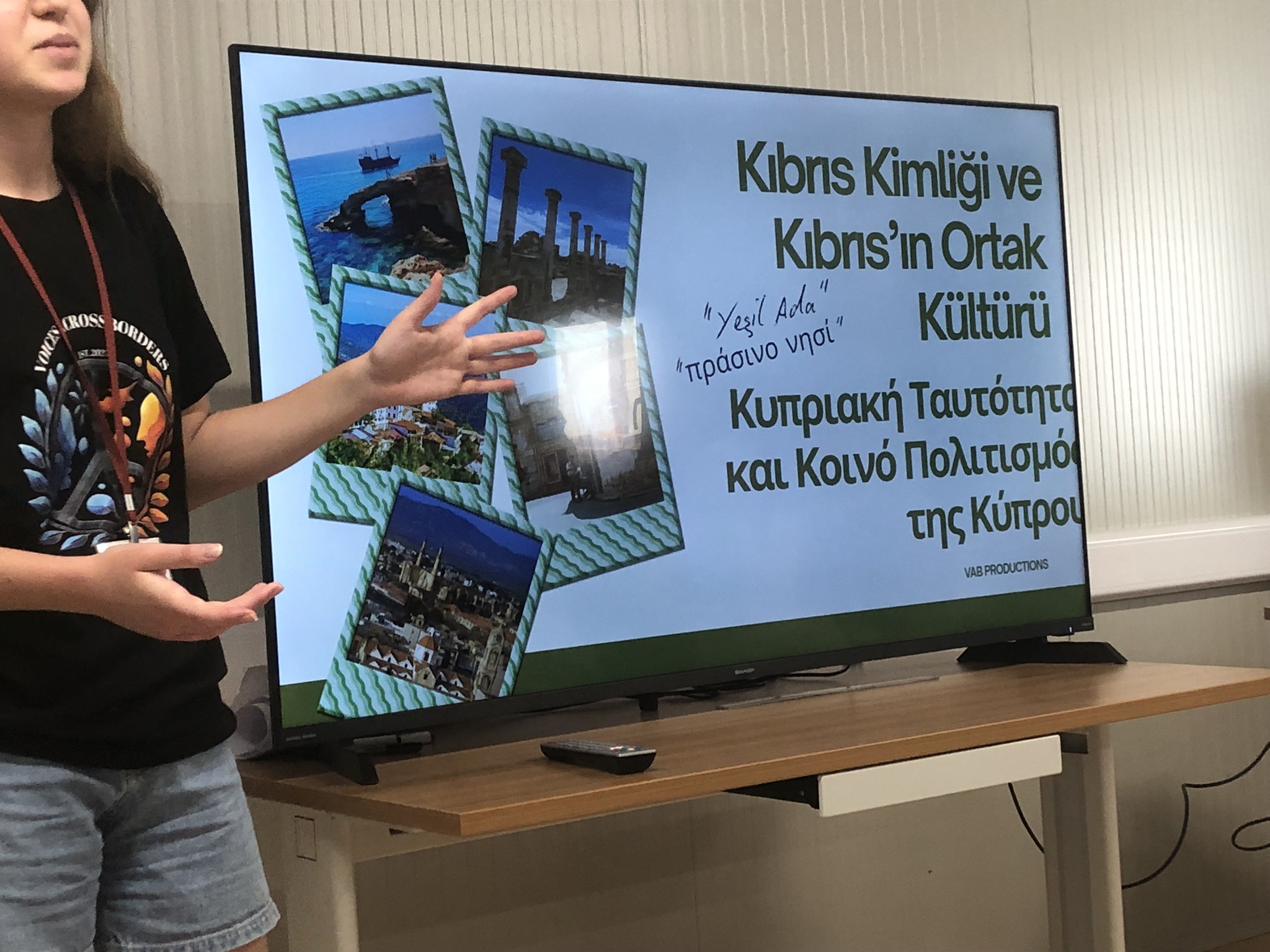
In June 2026, facilitators of Voices Across Borders, a youth-led bicommunal initiative formed in 2025 by two high school students, explained their rationale for hosting their trust-building workshop in Pyla in similar terms. A slide from their presentation that hailed Pyla as an example of coexistence and source of hope for the rest of Cyprus also contained a fun fact about the village: that it is “specially protected” by UN peacekeeping forces (UNFICYP), in whose local headquarters the event was being held. At this point, one of the participants, a local Greek-Cypriot teenager, took the floor to express the view that the UNFICYP has proven incapable of dealing with the real sources of insecurity for Pyla’s residents: the presence of illegal casinos, one of which had recently been the site of a violent incident in the village, coupled with incursions of secret police forces from both north and south. Otherwise, he added, “we have no issues between the two communities. I go to the Turkish-Cypriot coffee shop and there is no problem,” and vice-versa. A few minutes of tension ensued as different perspectives on the role of the UN in Cyprus were put forward.
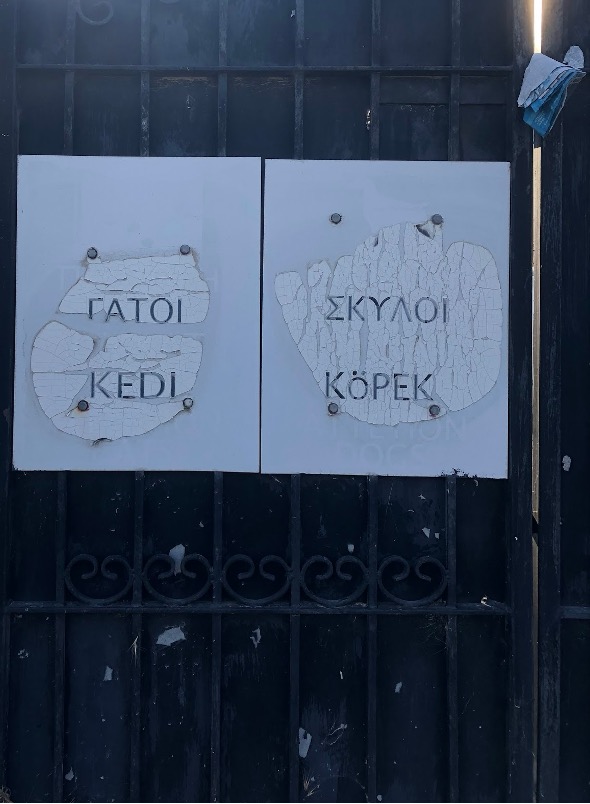
Though intercommunal tensions are indeed extremely rare, and certain spaces in the village appear to attract a mixed crowd, the ensuing walking tour highlighted forms of separation across important aspects of public life. Pointing to a school building, another local participant explained that, because of Pyla’s separate school system, he had not properly interacted with certain co-villagers from the other community until that day, despite knowing them by appearance. In addition to facilitating introductions between locals, the workshop brought together young Cypriots from across the Green Line, for whom Pyla provided a relatively neutral meeting point.
I attended this workshop as part of my exploratory fieldwork this summer, which attended to contested sites within Cyprus that are simultaneously generative of shared struggles and emancipatory possibilities. This fieldwork was generously supported by the ERI/PS2 fellowship. Next steps involve collaborating with VAB organizers to develop workshop materials that address aspects of twentieth-century Cypriot history that are overlooked in the official narratives of both polities, tailored to teenagers and young adults.