About
Overview
The Center for the Humanities at the CUNY Graduate Center encourages collaborative, creative, and engaged work in the humanities and social sciences.
While providing students, faculty, and community partners with grants, fellowships, and professional support, we also produce innovative projects and programs, digital and print publications, and infrastructure for public scholarship from a justice-forward framework at CUNY and across NYC.
In addition to our general programming, the Center’s key platforms include the Public Scholarship Practice Space (PS2), the NYC Climate Justice Hub (CJH), Working Groups in the Humanities, CUNY Climate Assembly Project (CCAP), Lost & Found: The CUNY Poetics Document Initiative, Women’s Studies Quarterly (WSQ), and Distributaries: New Writing in the Public Humanities.
Taken together, our work enlivens humanities discourse within and beyond the university from a justice-forward framework.
Who We Are
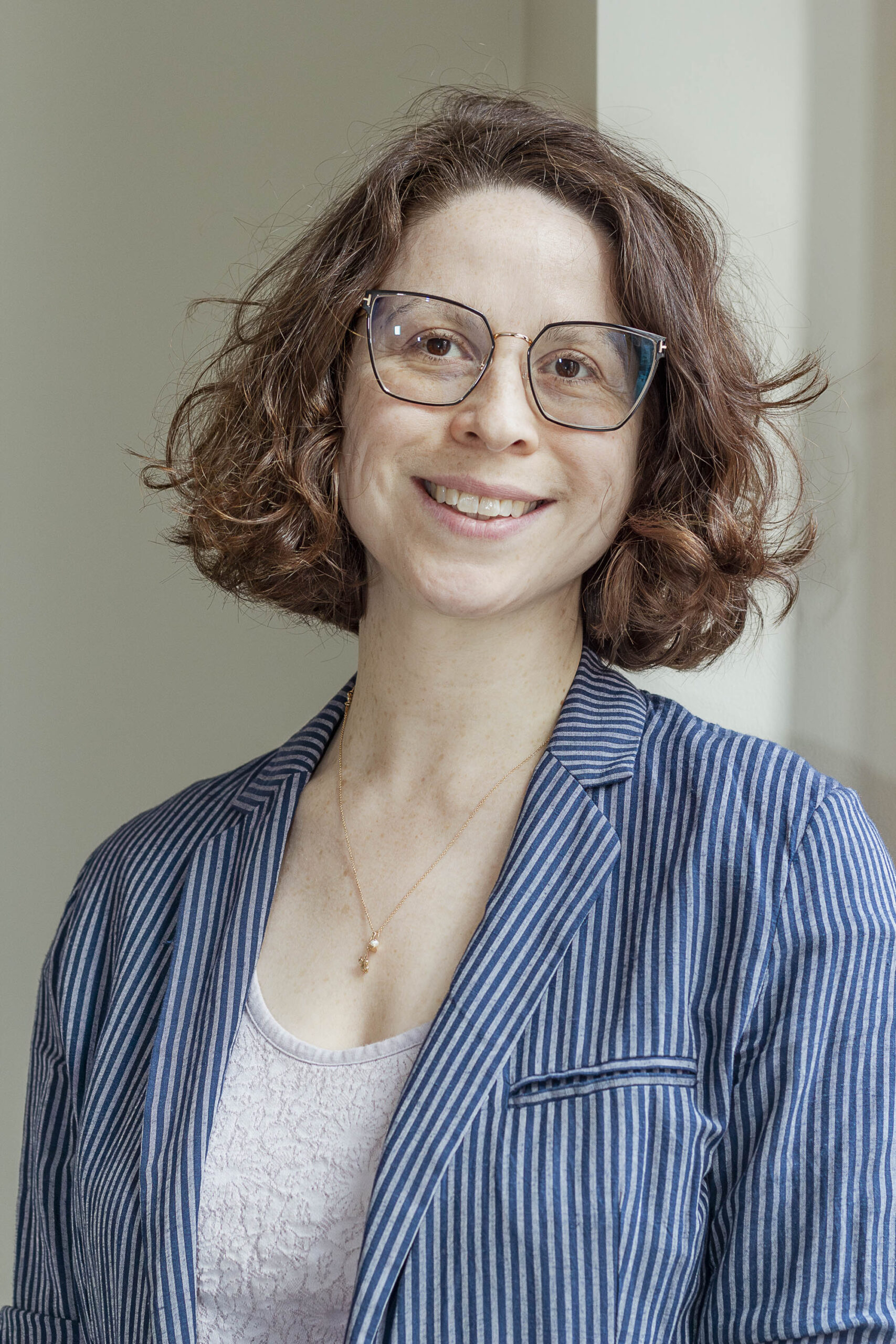
Kendra Sullivan
NYC CJH Co-Director, CUNY
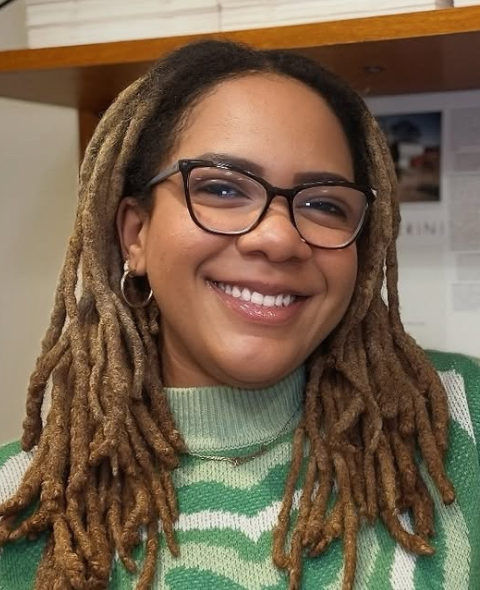
Dasharah Green
Presidential Research Fellow (PS2)

Prithi Kanakamedala
Faculty Coordinator (PS2)
Certificate Coordinator
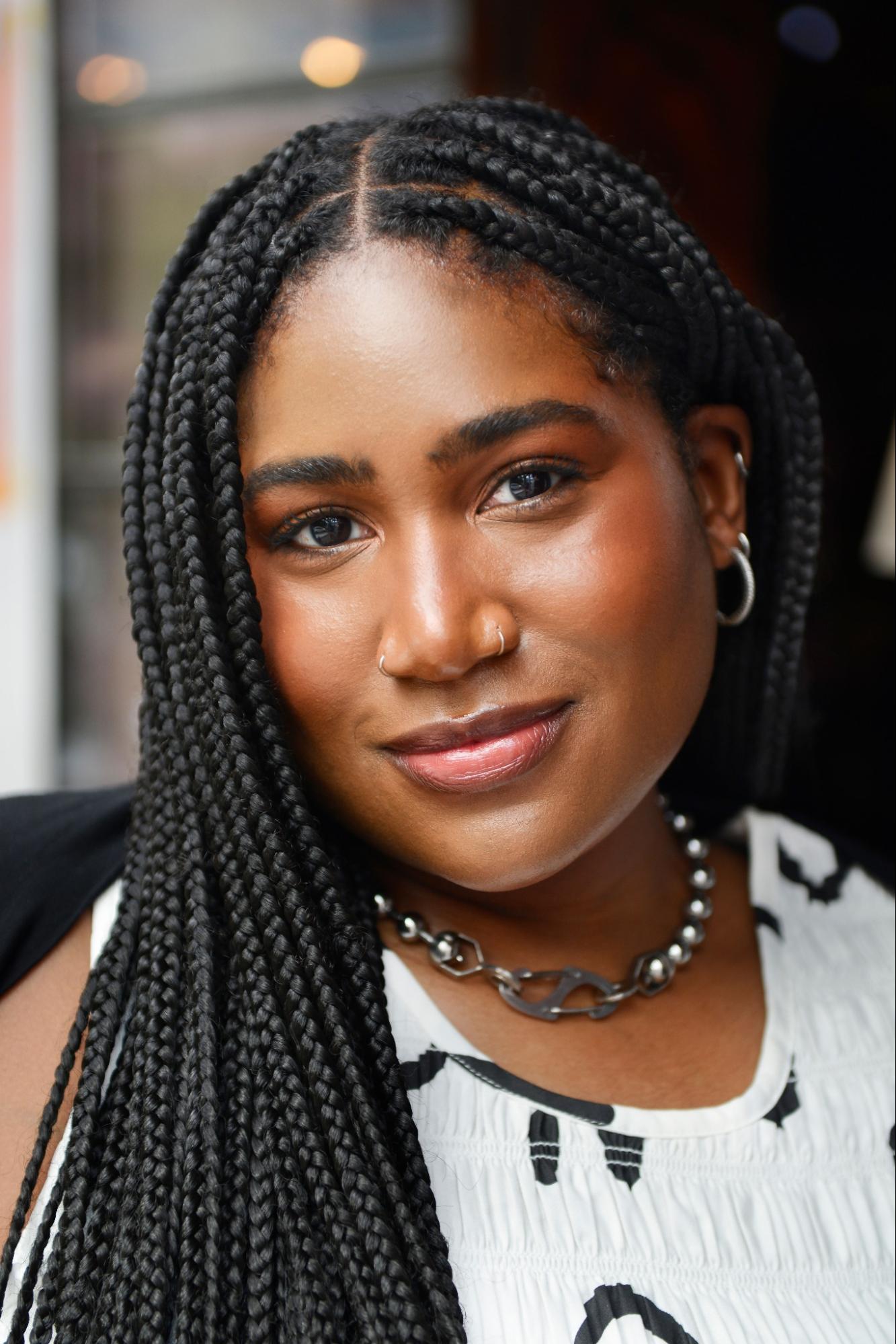
Stephon Lawrence
Managing Editor (Lost & Found)
Maithreyi (Maithi) Rajeshkumar
Public Engagement Strategist
Climate Justice Fellowship Lead
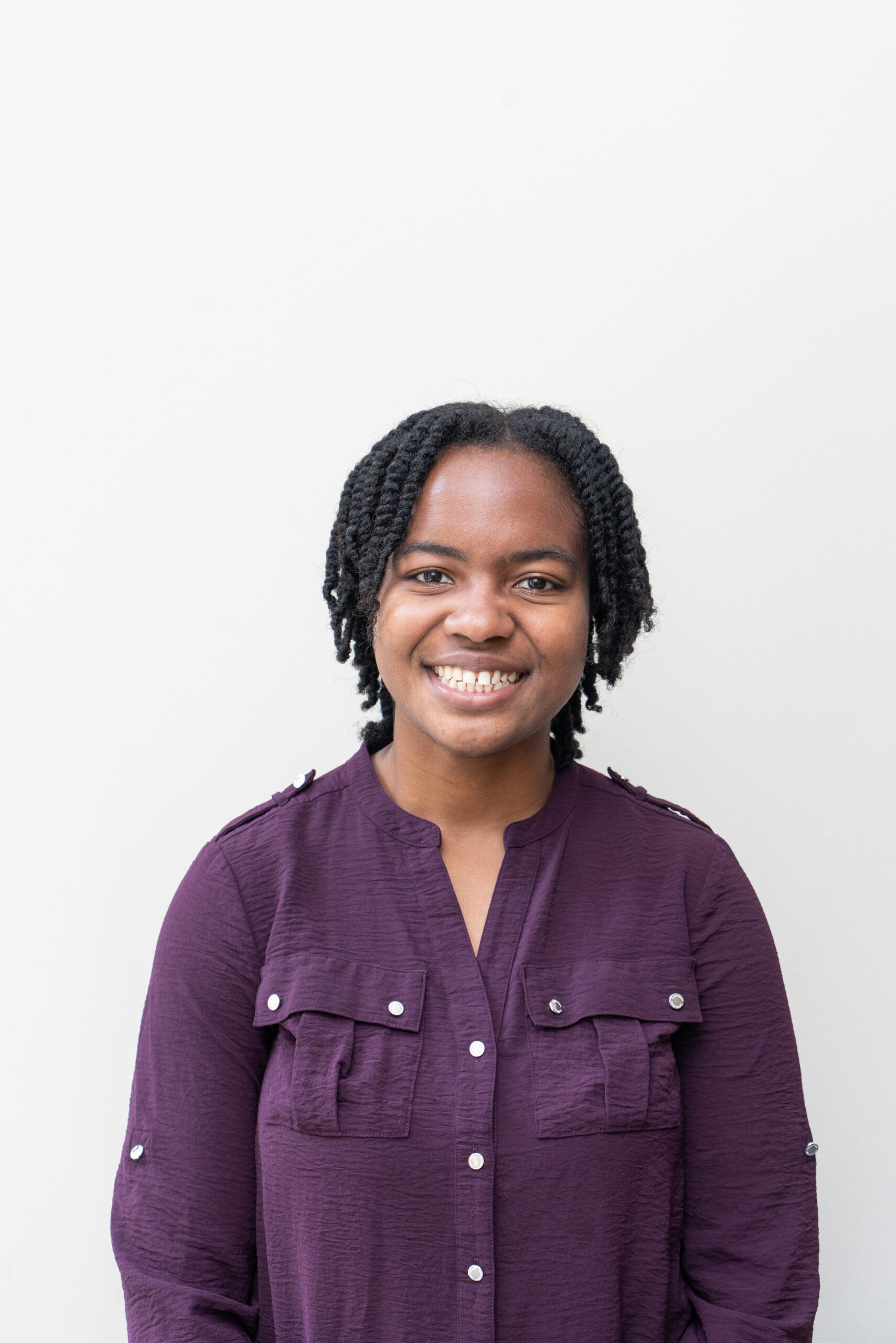
Jazmyn Michelle Blackburn
Hub Coordinator, CUNY
Research Teams Lead
Founding Trustees
Edith Everett
Founding Trustee
Sue Lonoff DeCuevas
Founding Trustee
Joanna S. Rose
Founding Trustee
Margo Viscusi
Founding Trustee
Stanley Burnshaw Advisory Board
Wayne Koestenbaum
CUNY Graduate Center
Mónica de la Torre
Brooklyn College
Chris Campanioni
CUNY Graduate Center
Celina Su
CUNY Graduate Center
Rosamond King
Brooklyn College
Zohra Saed
Macaulay Honors College
Center for the Humanities Advisory Board
Herman Bennett
CUNY Graduate Center
Joseph Caceres
Baruch College
Alyson Cole
Queens College and CUNY Graduate Center
Dána-Ain Davis
Queens College
Matt Gold
CUNY Graduate Center
Kieran Howard
Kingsborough Community College
Dinorah Hudson
CUNY Graduate Center
Ángeles Donoso Macaya
Borough of Manhattan Community College
Amber Musser
CUNY Graduate Center
Opportunities
Humanities classifieds! Read more to access current calls for student and faculty fellowships, grants, papers, course offerings, research projects looking for collaborators, paid internships, job openings, and more!
Community
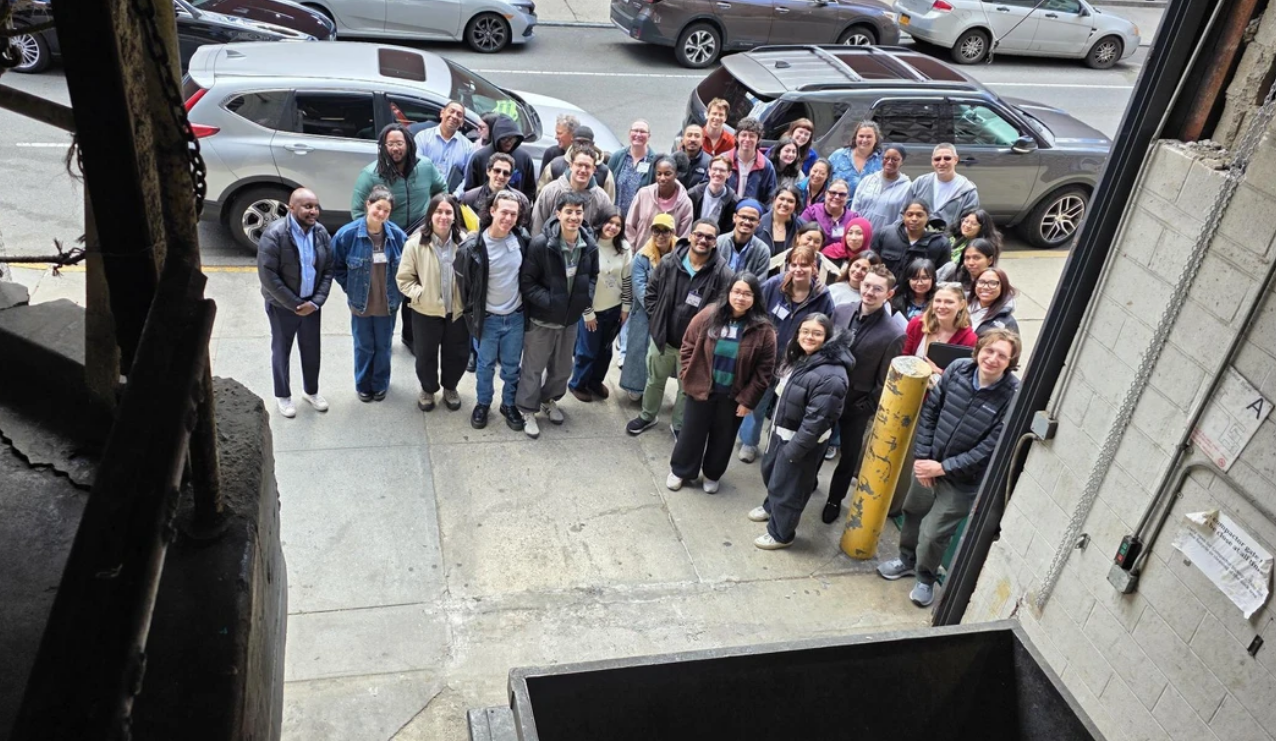
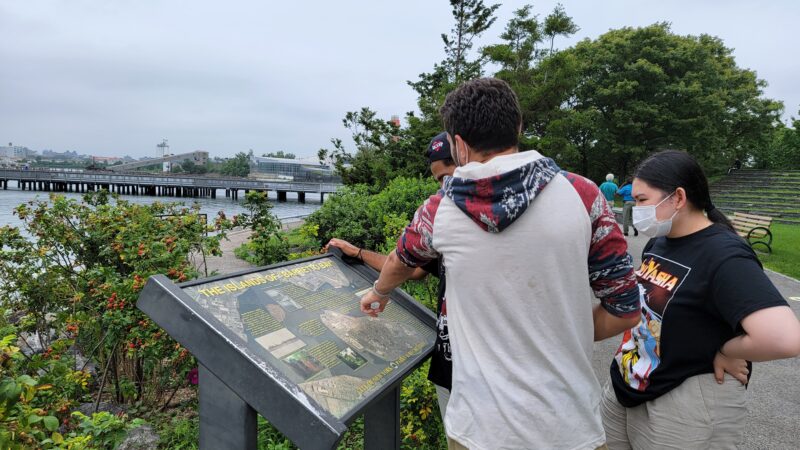
Our community includes students, faculty, and extramural partners–individuals, organizations, and foundations–working together to deepen humanities impact in the expanded field.
The Center fosters a community of practice. Those communities of practice coauthor public scholarship. Public scholarship promotes social flourishing within and beyond the university.
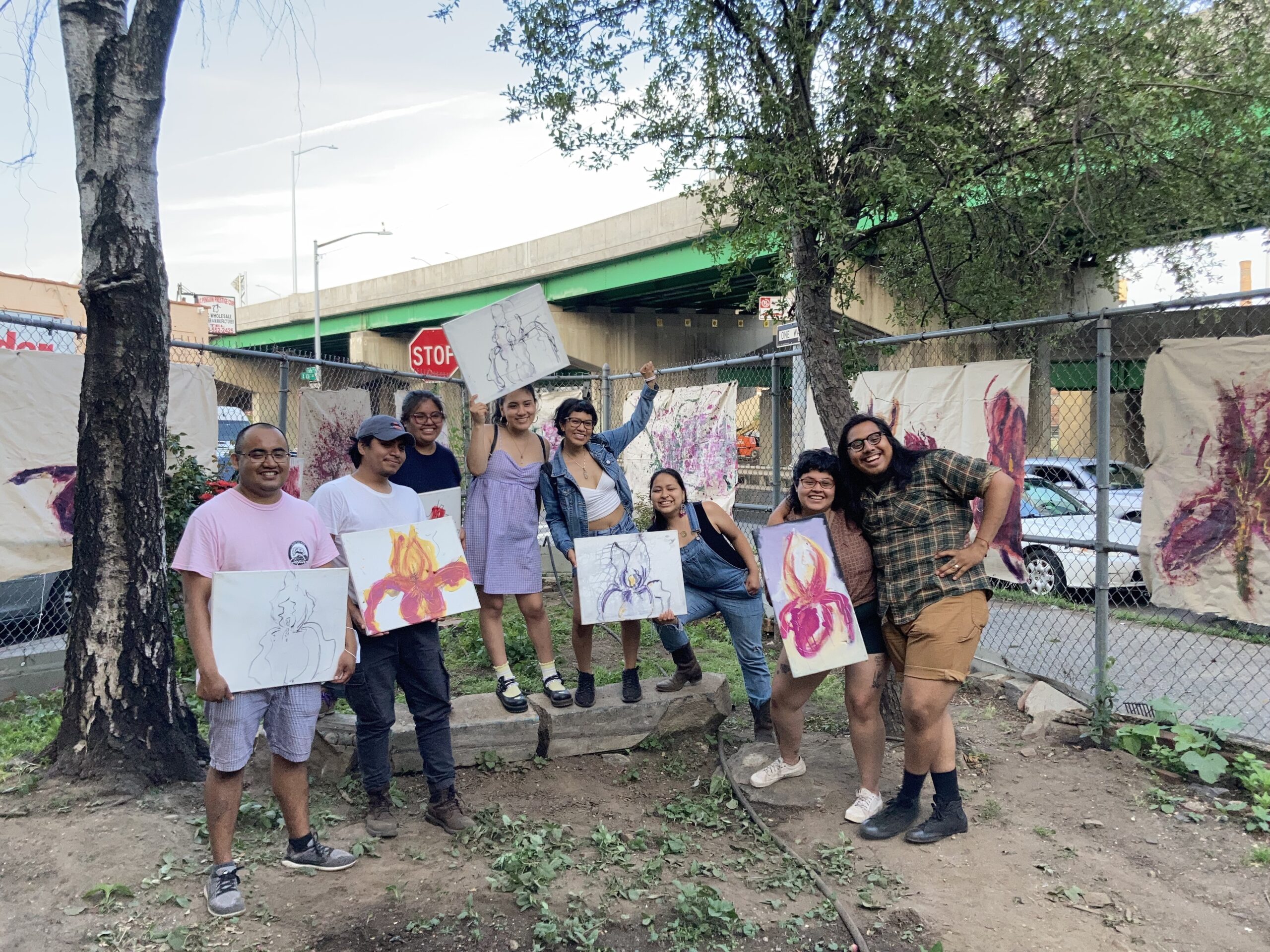
History
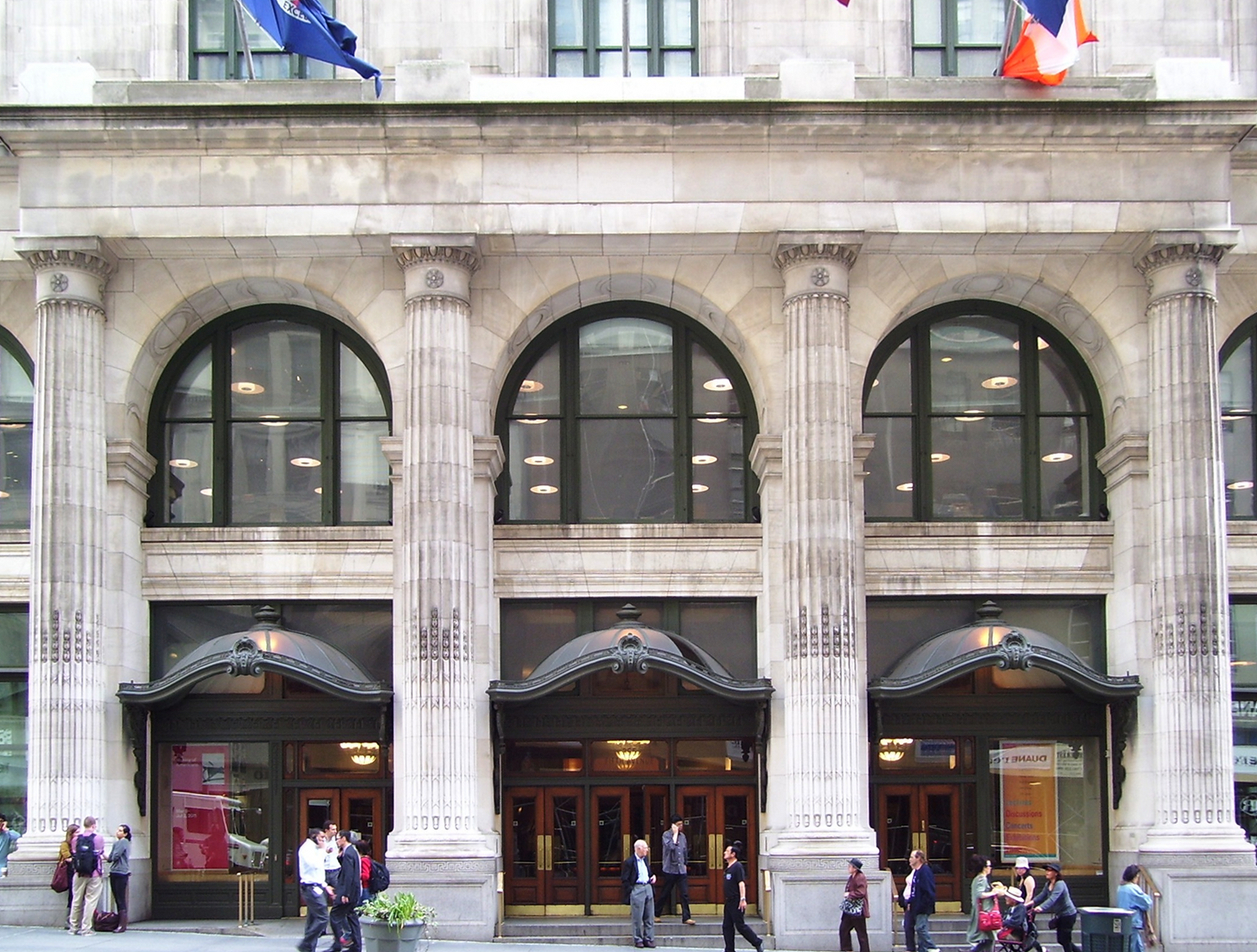
From the Center’s beginnings in 1993 to its current incarnation, we have expanded our activities to reflect the changing needs of the CUNY Graduate Center, and the many intersecting New York City communities we serve.

News
Opportunities & News
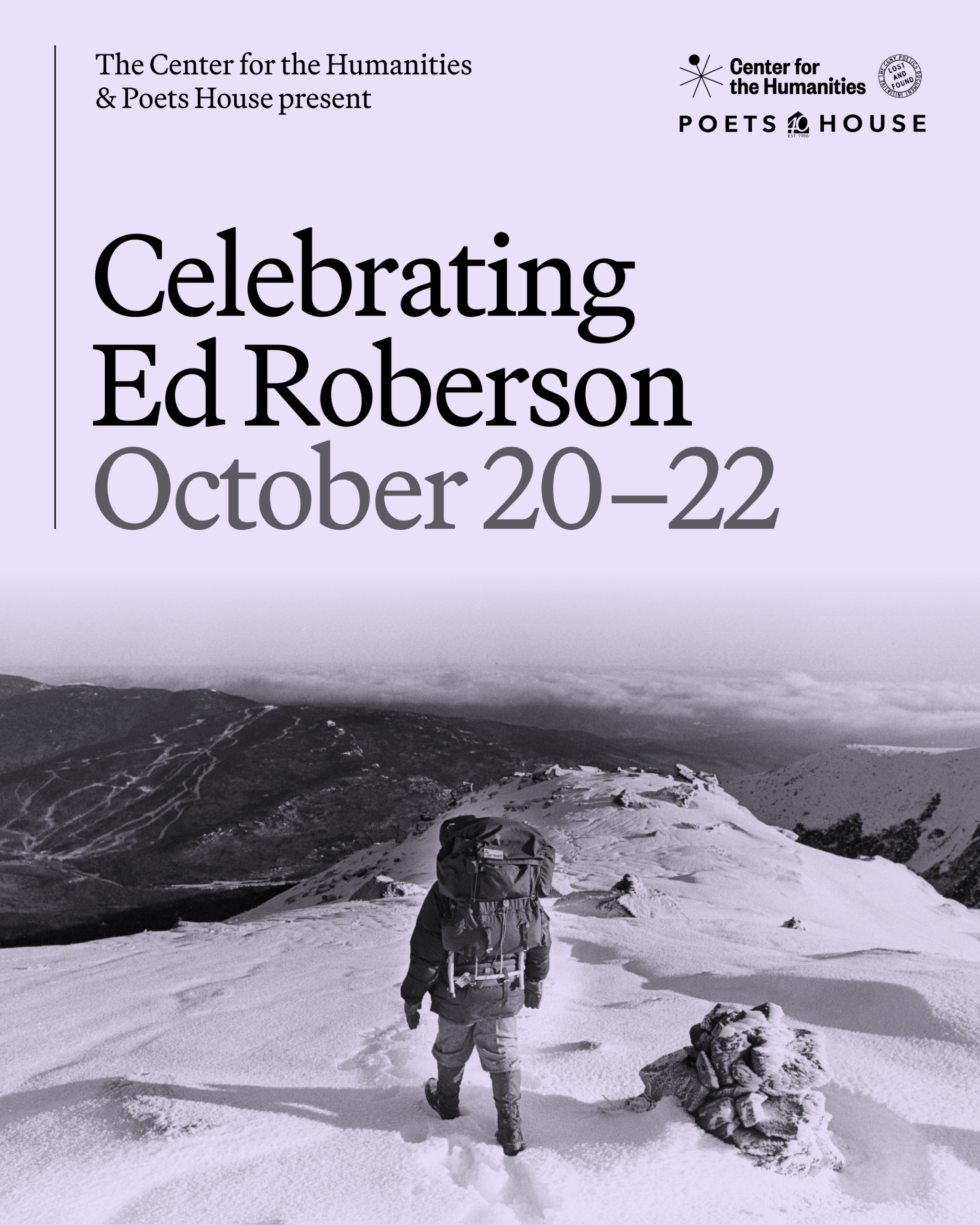
CELEBRATING ED ROBERSON: A 3-Day Event Series Oct 20-22
Fellowships & Opportunities
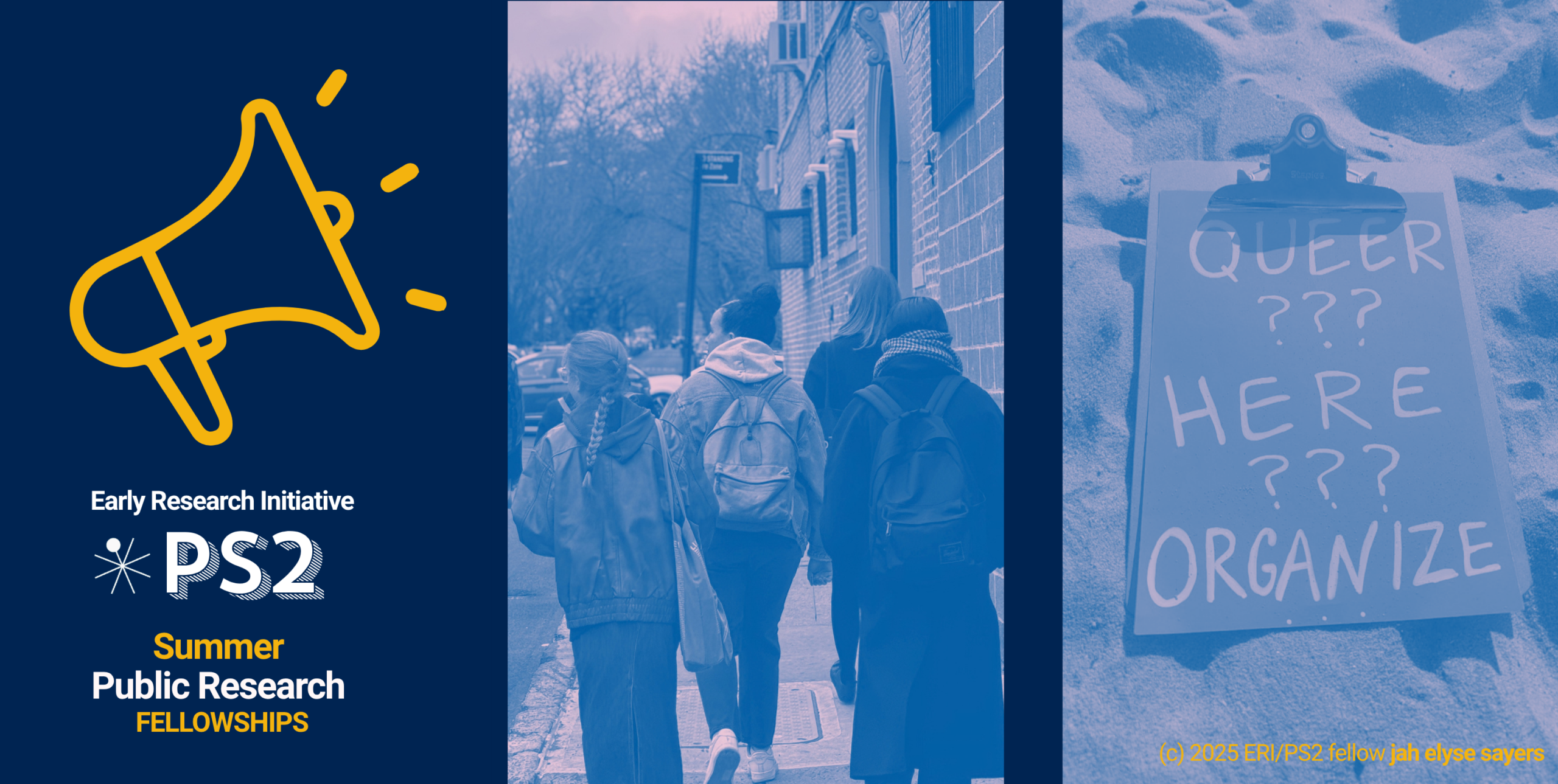
Call for Applications: 2027 ERI/PS2 Summer Public Research Fellowships
Opportunities, Working Groups & Call for Participation
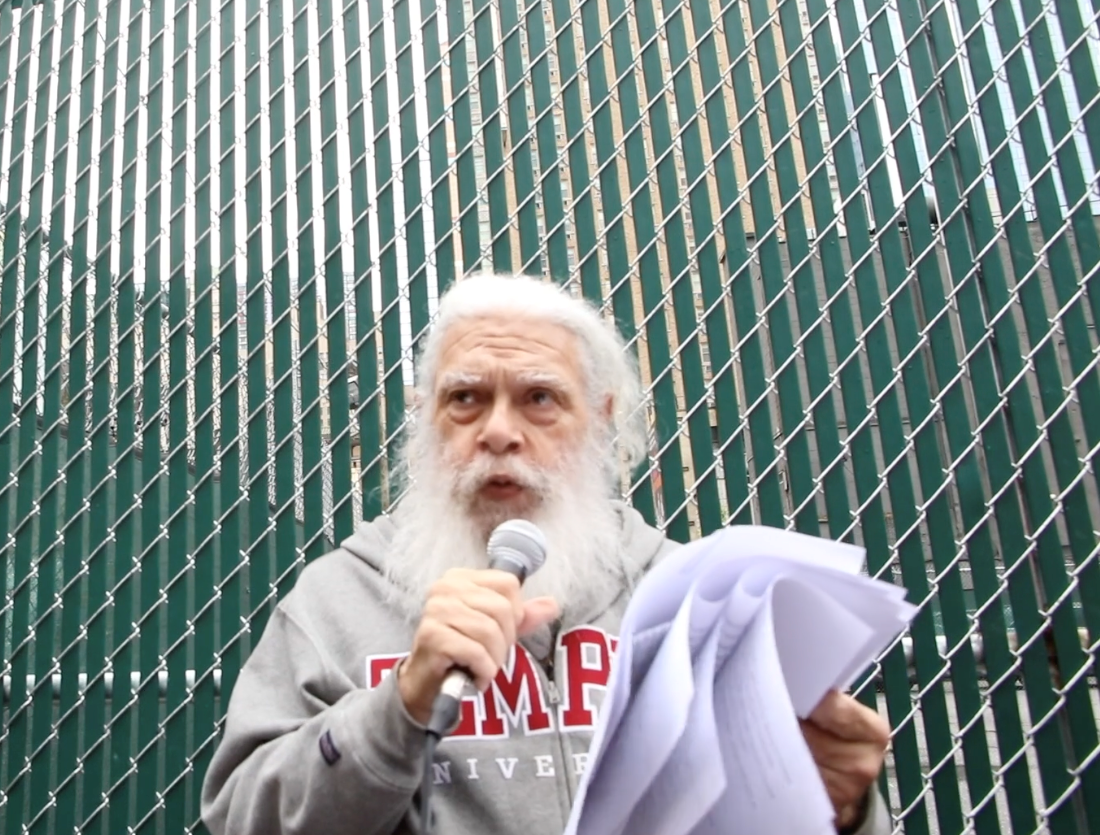
Call for Participants: Samuel Delany’s Minor Writings, Fall 2026 Reading Group
Opportunities & Call for Participation
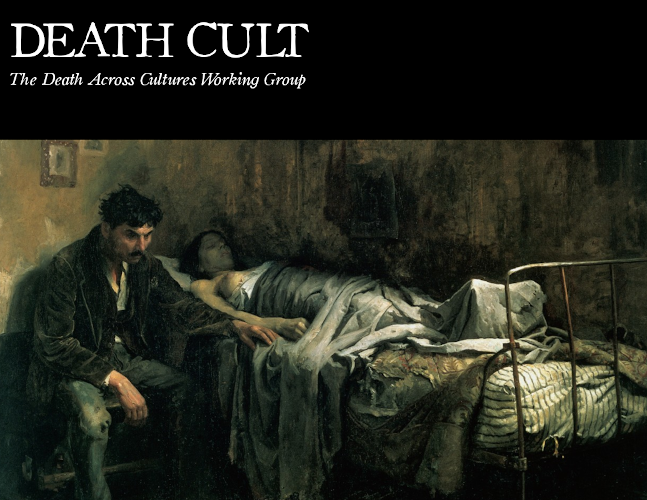
Call for Participants: Death Across Cultures Working Group
Distributaries
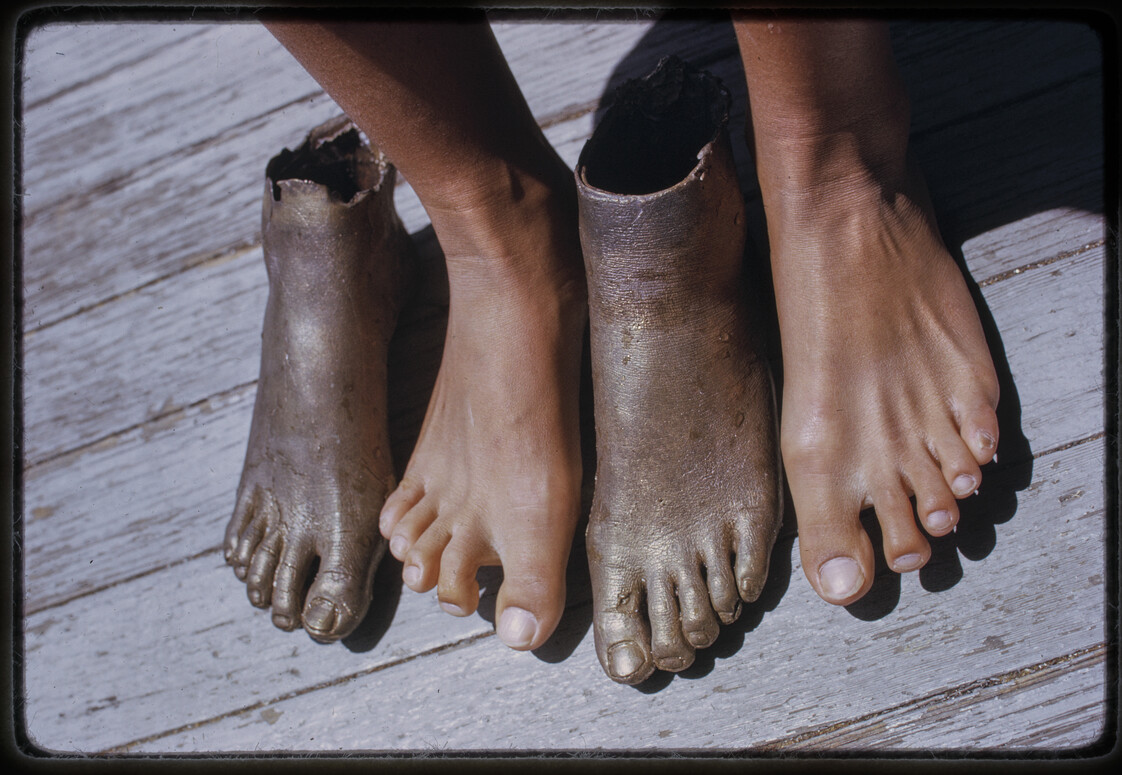
Between Delivery: Letter Threads After the Theresa Hak Kyung Cha Archive (Part III)
News
Fall 2026 Electives, Public Scholarship Certificate Program
Opportunities & Grants
2026 Humanities Catalyst Grants
News