The Work of Envisioning and Implementing an Alternative to Economic-Development-as-Usual
November 10, 2025

People
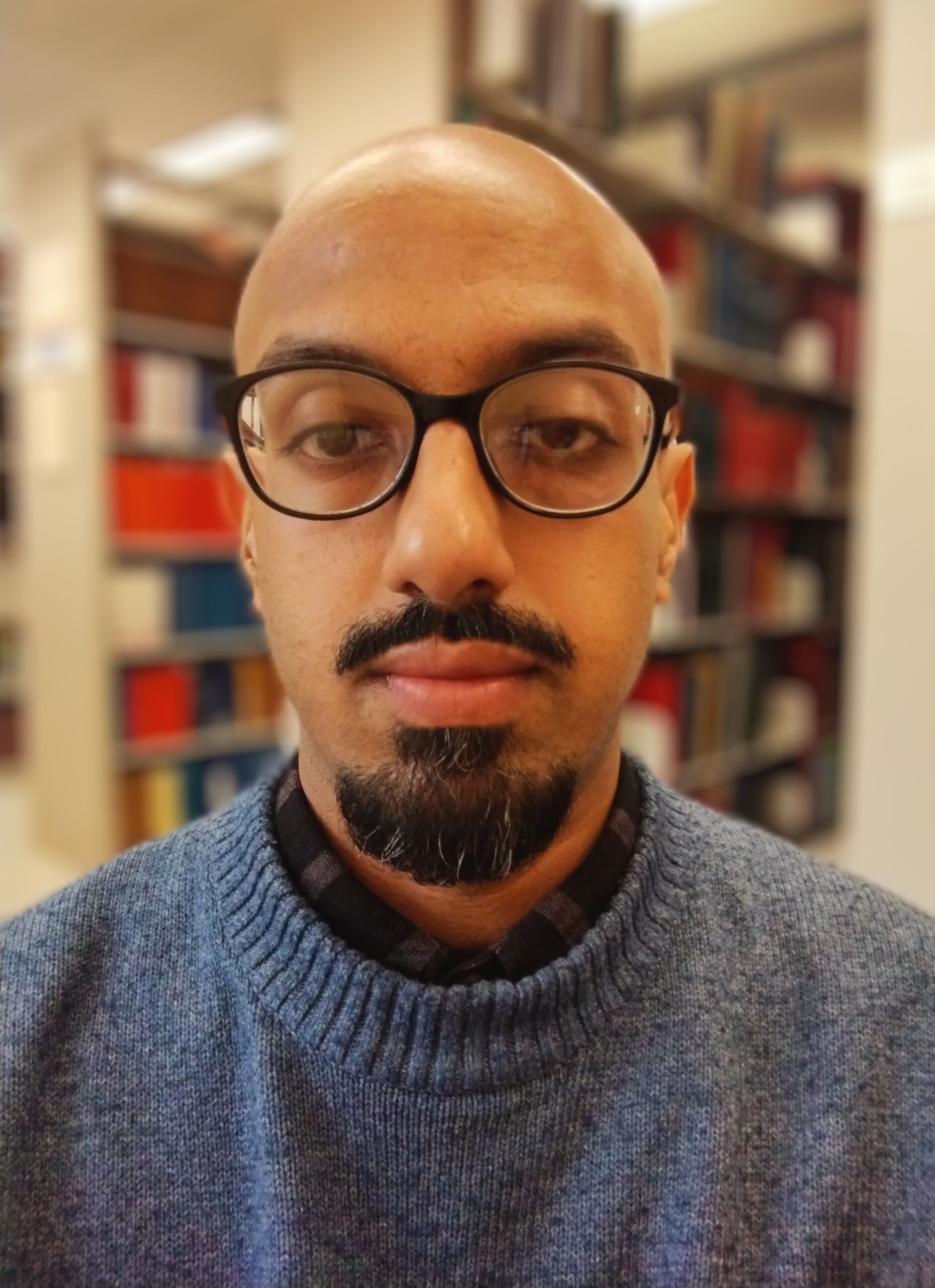
Nikhil Ramachandran
ERI/PS2 Public Research Fellow
A part of my research focuses on how urban space – abandoned, derelict, and otherwise – is being reclaimed from purely private and public governance and being put to use for community and collectivizing ends. As an ERI/PS2 fellow, this past summer I had the opportunity to deepen my understanding of how community organizations in the Bronx are stewarding this process and also facilitating a more cooperative and collective approach to solving infrastructural lacunae. Part of the concern here is to construct new visions and narratives for the meaning and practice of economic development.
The ERI/PS2 summer fellowship allowed me to live in New York and participate in public events related to the Kingsbridge Armory Redevelopment campaign. The Kingsbridge Armory — a massive and cavernous fort-like structure — has been left unused for decades. However, more recently, corporate and community-focused entities have come together to develop it as a multi-functional space. I attended multiple assemblies organized by community organizations where residents alongside organizers discussed how this space can be used to support families and small businesses local to the Bronx. I attended separate public hearings led by the community board, the Borough President’s office, and the City Planning Commission on the proposed vision to redevelop the Armory. These public hearings allowed me to understand not only how a radically different urban development project is vetted, but they also made me aware of how everyday people were demanding that government officials implement visionary ideas. All throughout I collected handouts and ephemera that were shared. I took photographs of presentations made at public hearings. They have all gone into a closed archive I have created.
During the previous semester, I had participated in an economic democracy training run by a community organization. This training equipped me to help facilitate multiple Bronx-wide public assemblies during the summer. These assemblies presented attendees with an opportunity to re-imagine and transform how they work, as well as how they collectively own and maintain their neighborhoods.
At assemblies and curated exhibitions during the summer, I met artists, film-makers, poets, and photographers from the Bronx. These encounters led to further conversations with them about their on-going projects and ways I might collaborate with them. Going forward, the aim here is to creatively explore experiments in building an alternative economic ecosystem.