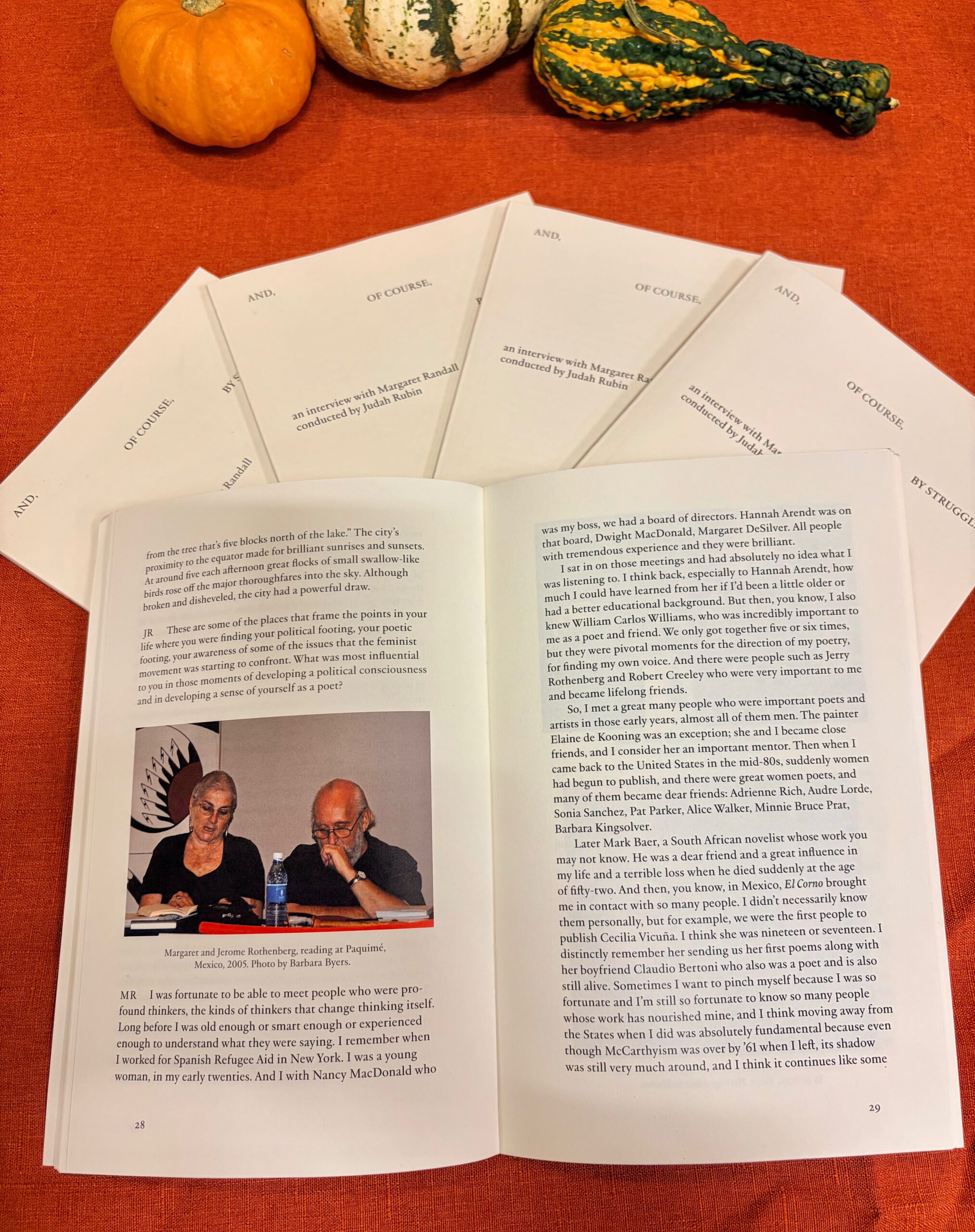
And, Of Course, By Struggle: An Interview with Margaret Randall by Judah Rubin
And, Of Course, By Struggle: An Interview with Margaret Randall by Judah Rubin
$10.00
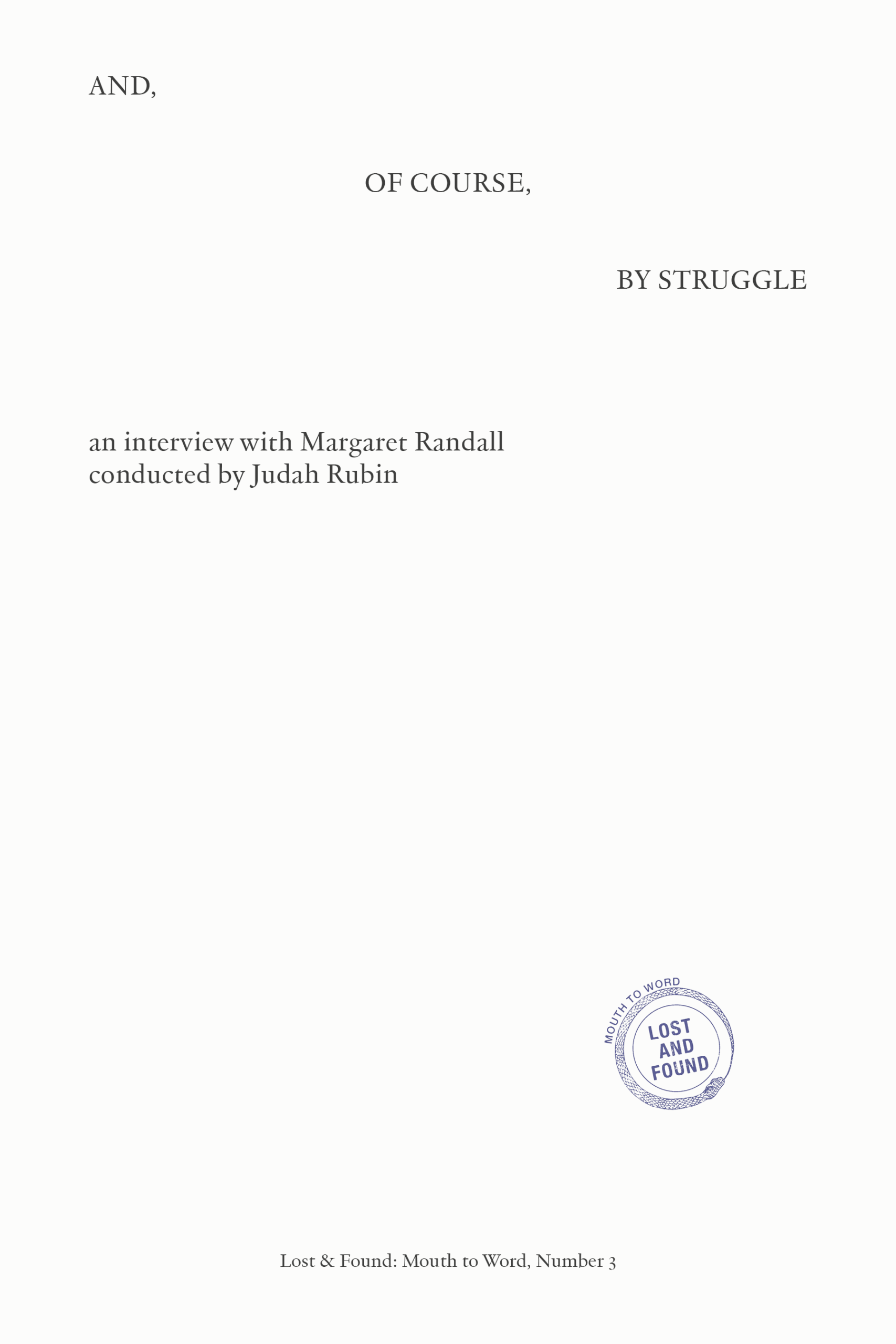
Authors: Margaret Randall, Judah Rubin
Editor: Judah Rubin
Series: Lost & Found Mouth to Word
Pages: 46 pp, softcover, saddle-stitch binding
ISBN: 978-1-958675-11-3
Margaret Randall (b.1936) has been a key figure in the poetry of the Americas for over 60 years. Her work as an oral historian have brought figures from the Sandinistas to Peruvian campesinos into conversation across the hemisphere in groundbreaking books like Sandino’s Daughters. Her work as an editor, with Sergio Mondragon, on the immensely influential literary journal El Corno Emplumado/The Plumed Horn acted as a key point in the literature of the 1960s. And her translations, from the 1960s to the present decade, have introduced audiences to writers from across Latin America. In this wide-ranging interview AND, OF COURSE, BY STRUGGLE, Randall discusses her career as a poet, writer, and activist, as well as the development of her feminist consciousness, the legacy of her decades of work, and where she stands as a poet today.
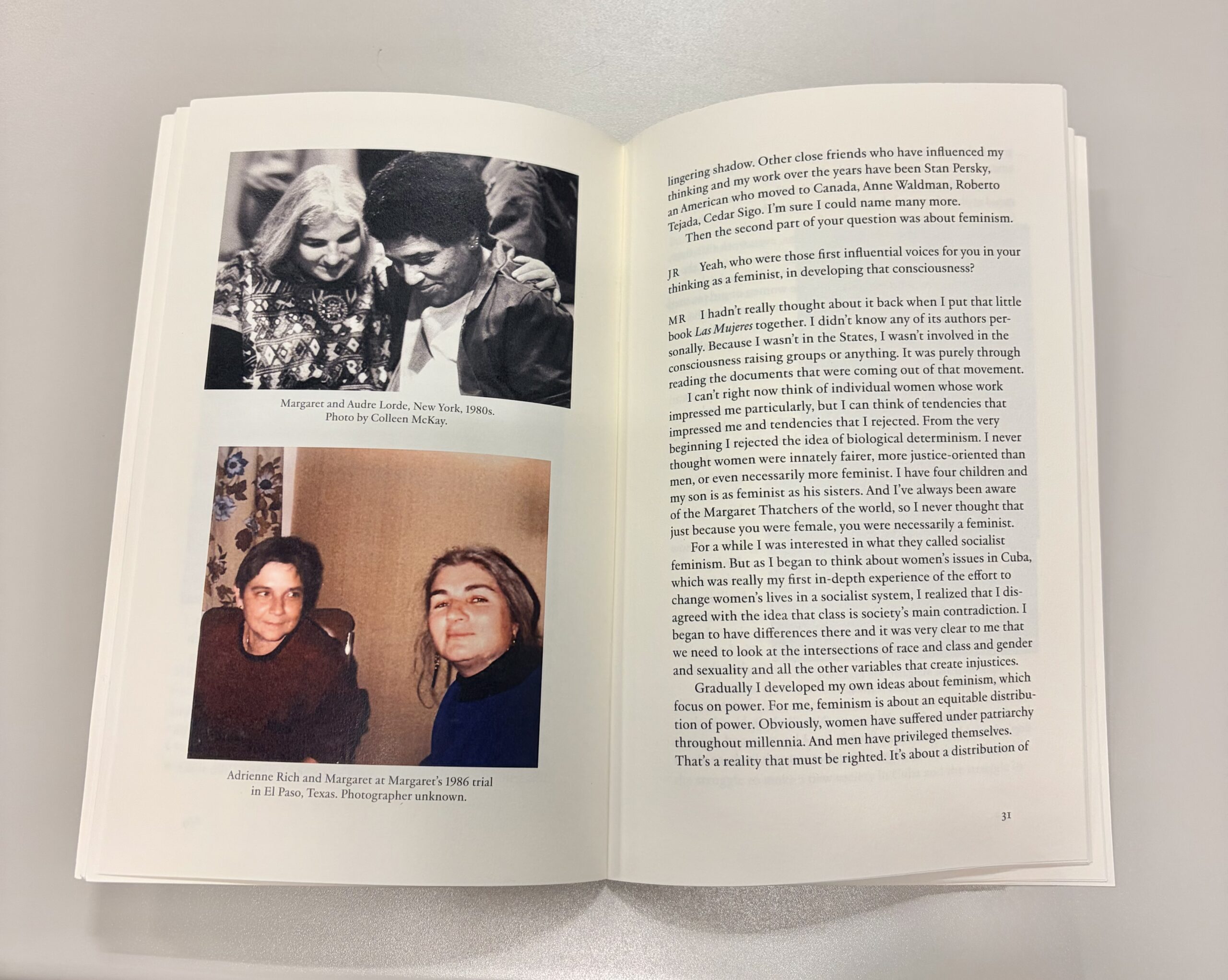
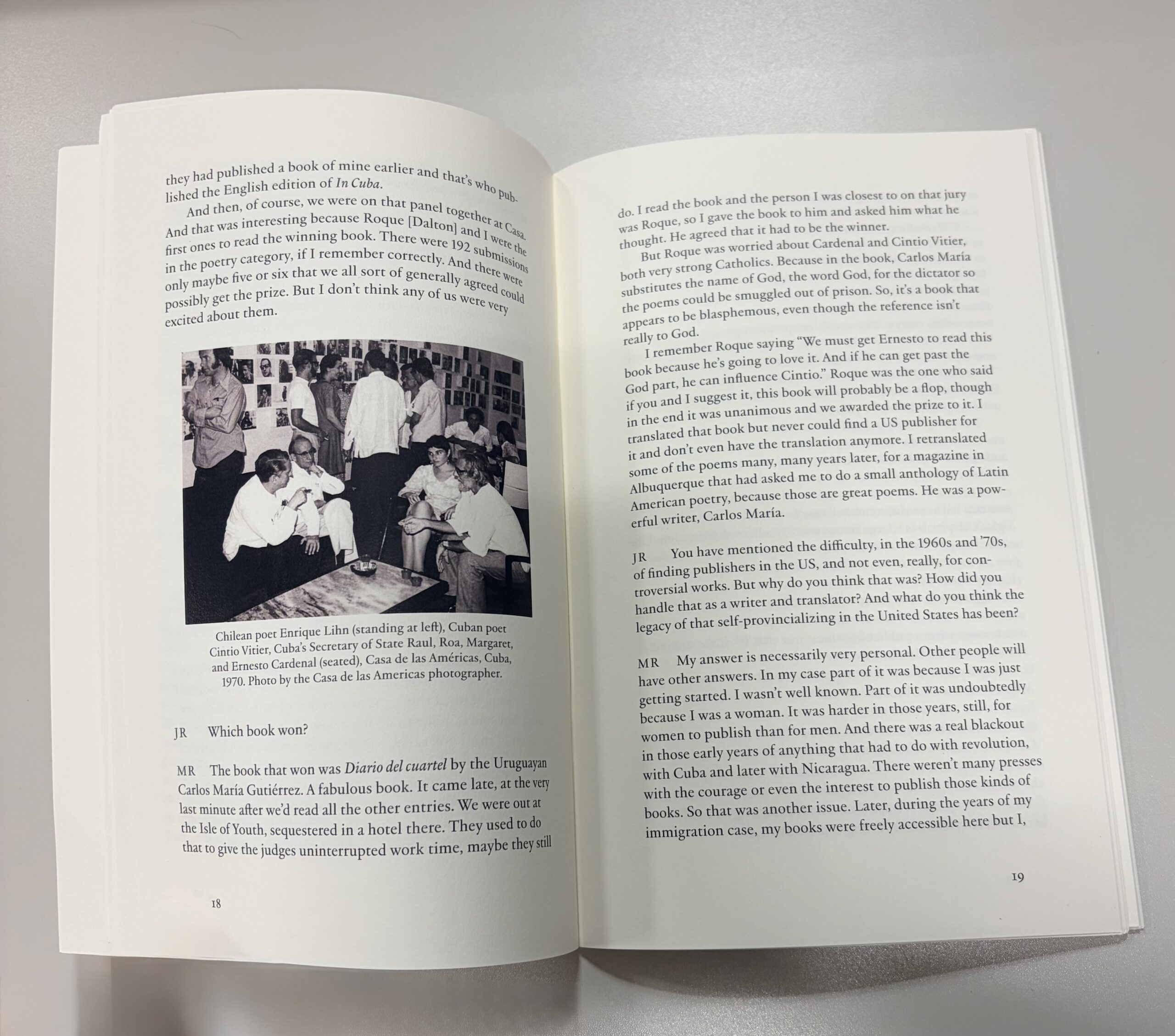
See archival images from the book below:
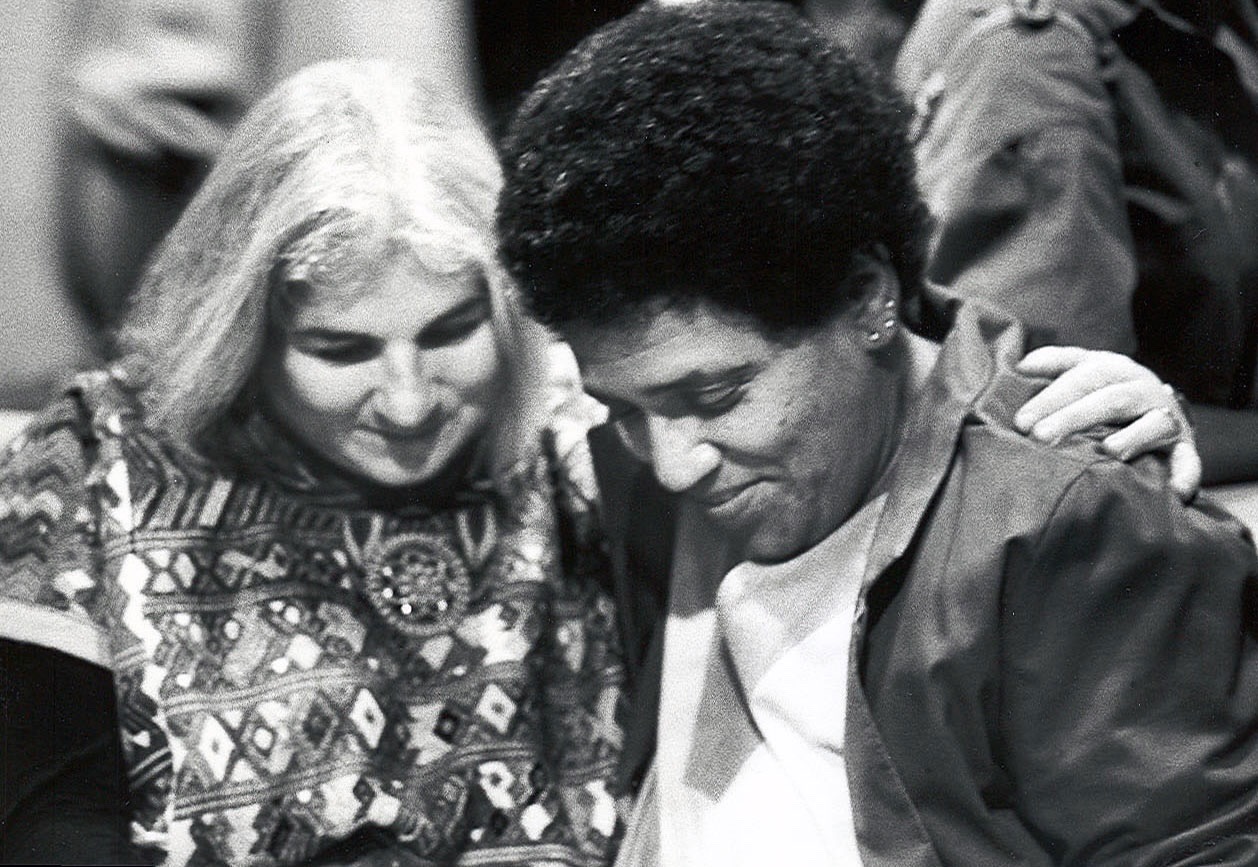
Margaret and Audre Lorde, Hunter College reading, New York City, c. late 1980s. 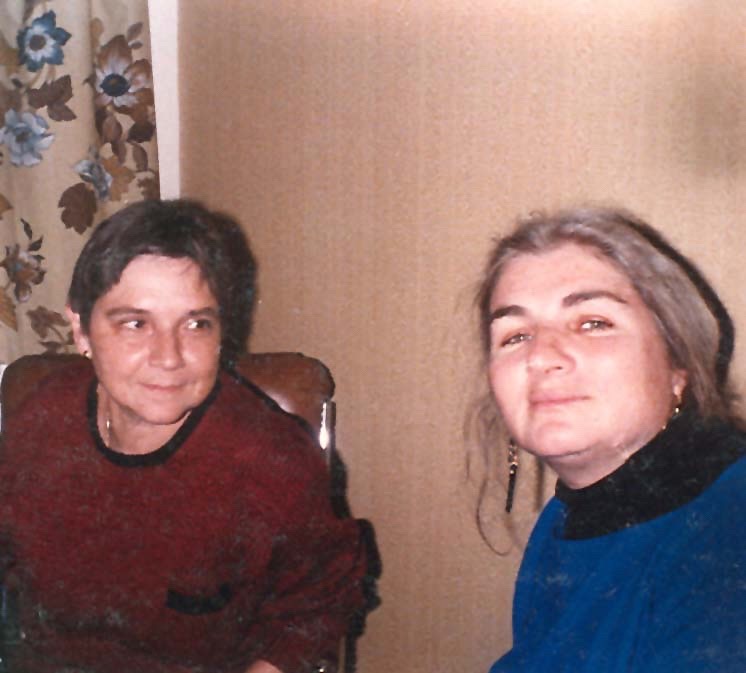
Adrienne Rich and Margaret, El Paso Trial, c. March 1986. 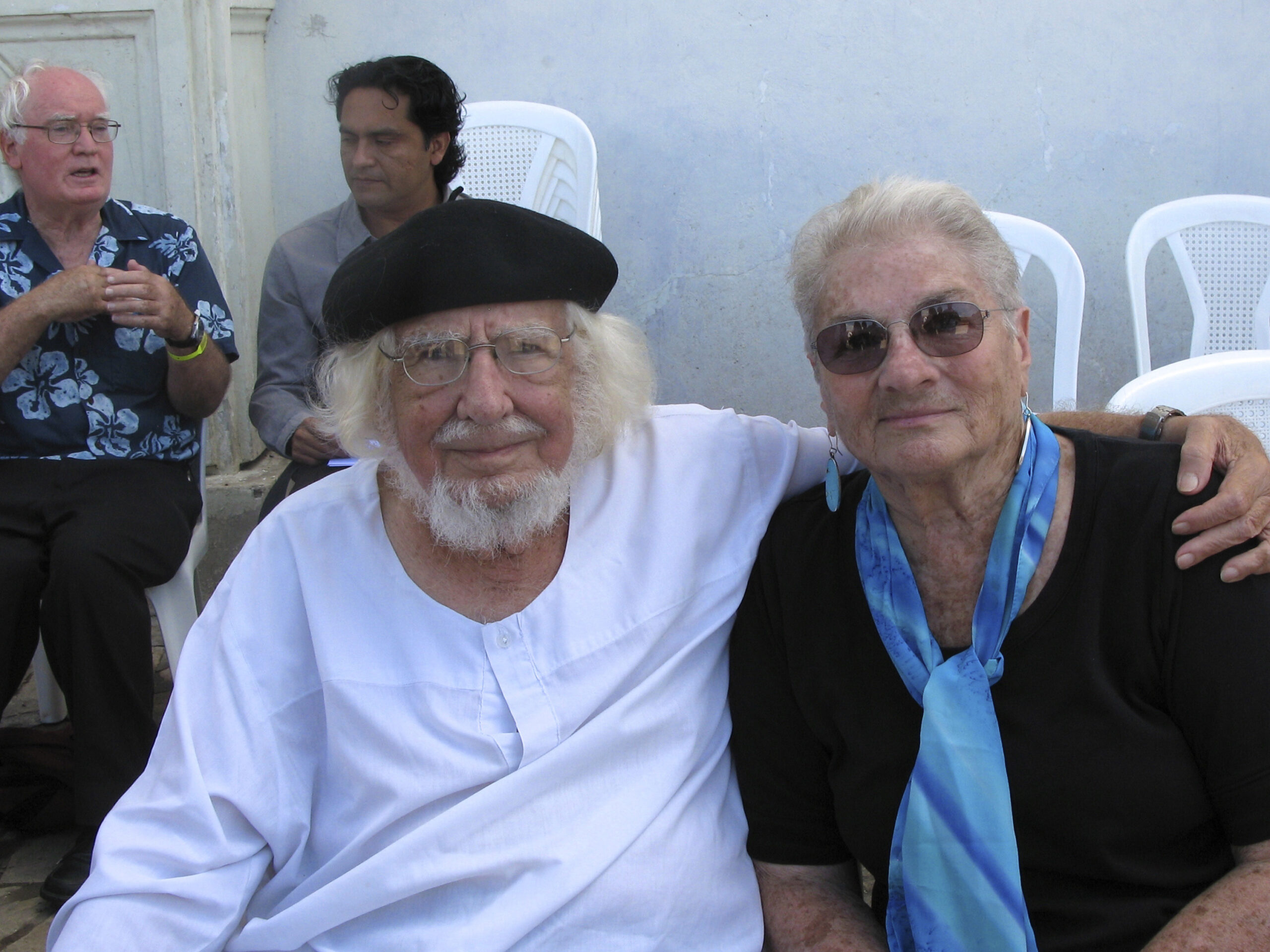
Ernesto Cardenal and Margaret, Peter Boyle back left 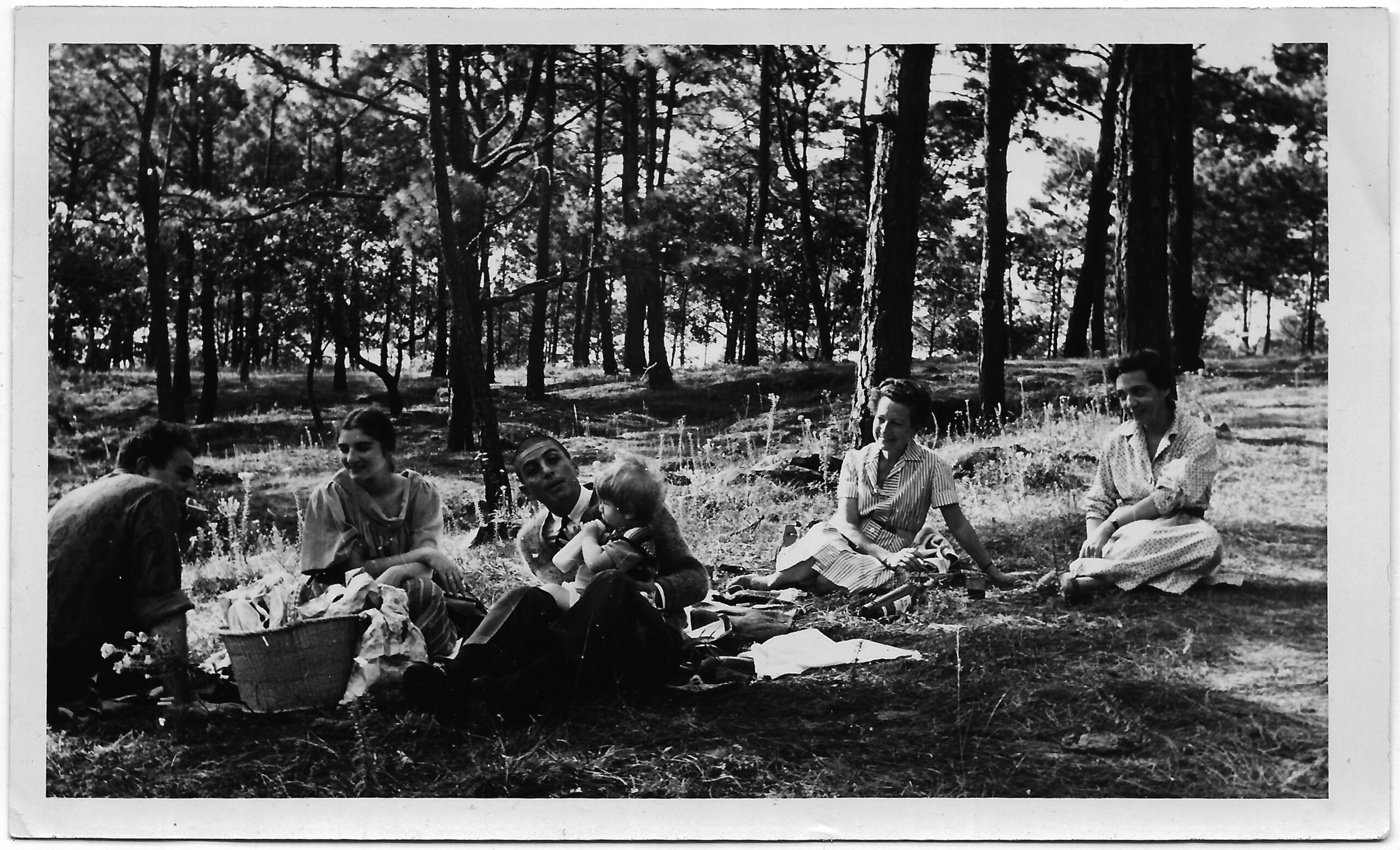
Unknown man, Margaret, Gregory, Sergio, Nina Coll and Laurette Sejourne, picnic in Mexico, c. 1960s. 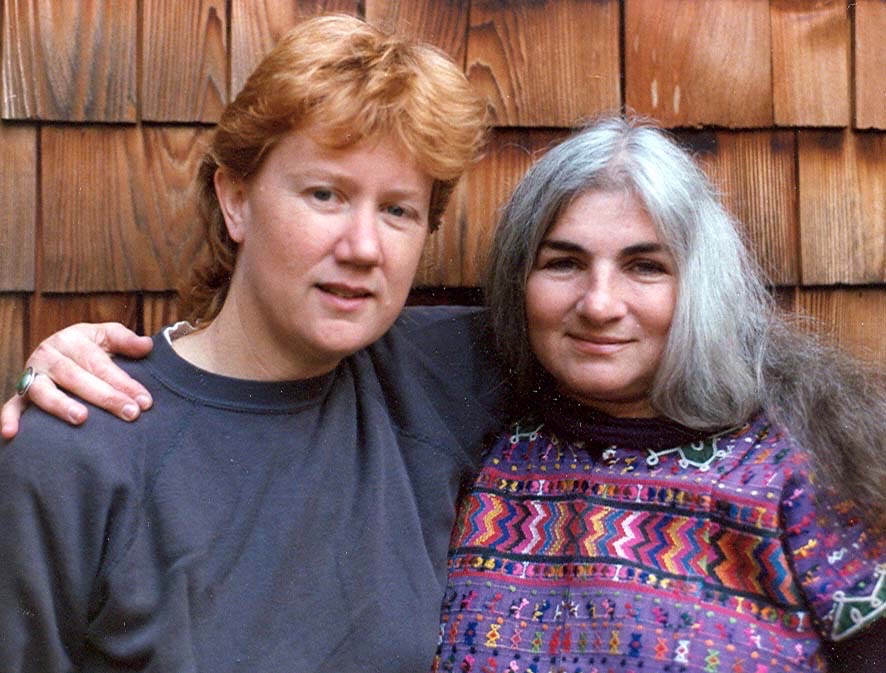
Holly Near and Margaret, at Jane Norling’s home in Berkeley, c. 1980s. 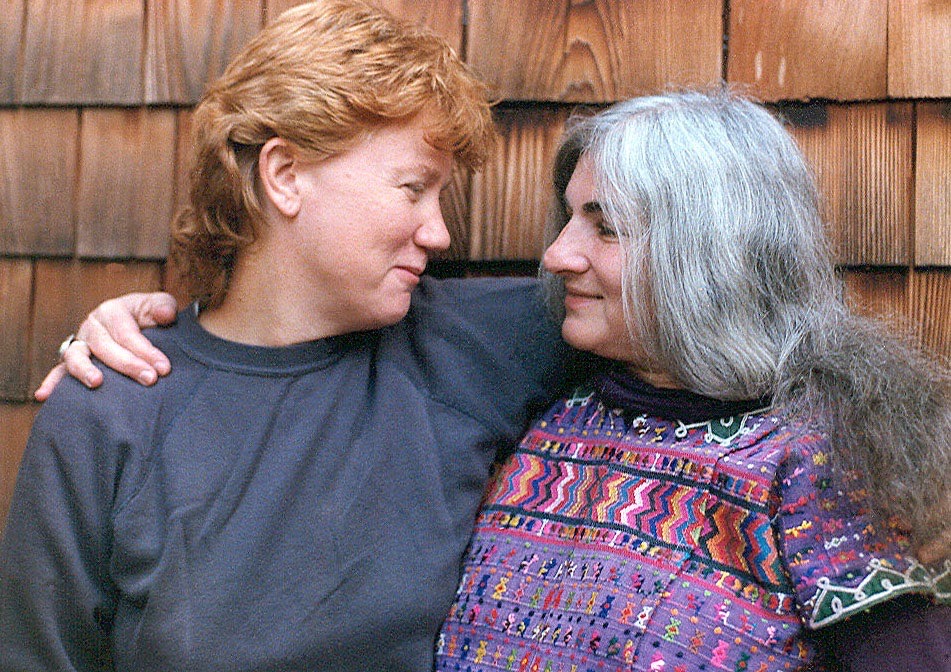
Holly Near and Margaret, at Jane Norling’s home in Berkeley, c. 1980s. 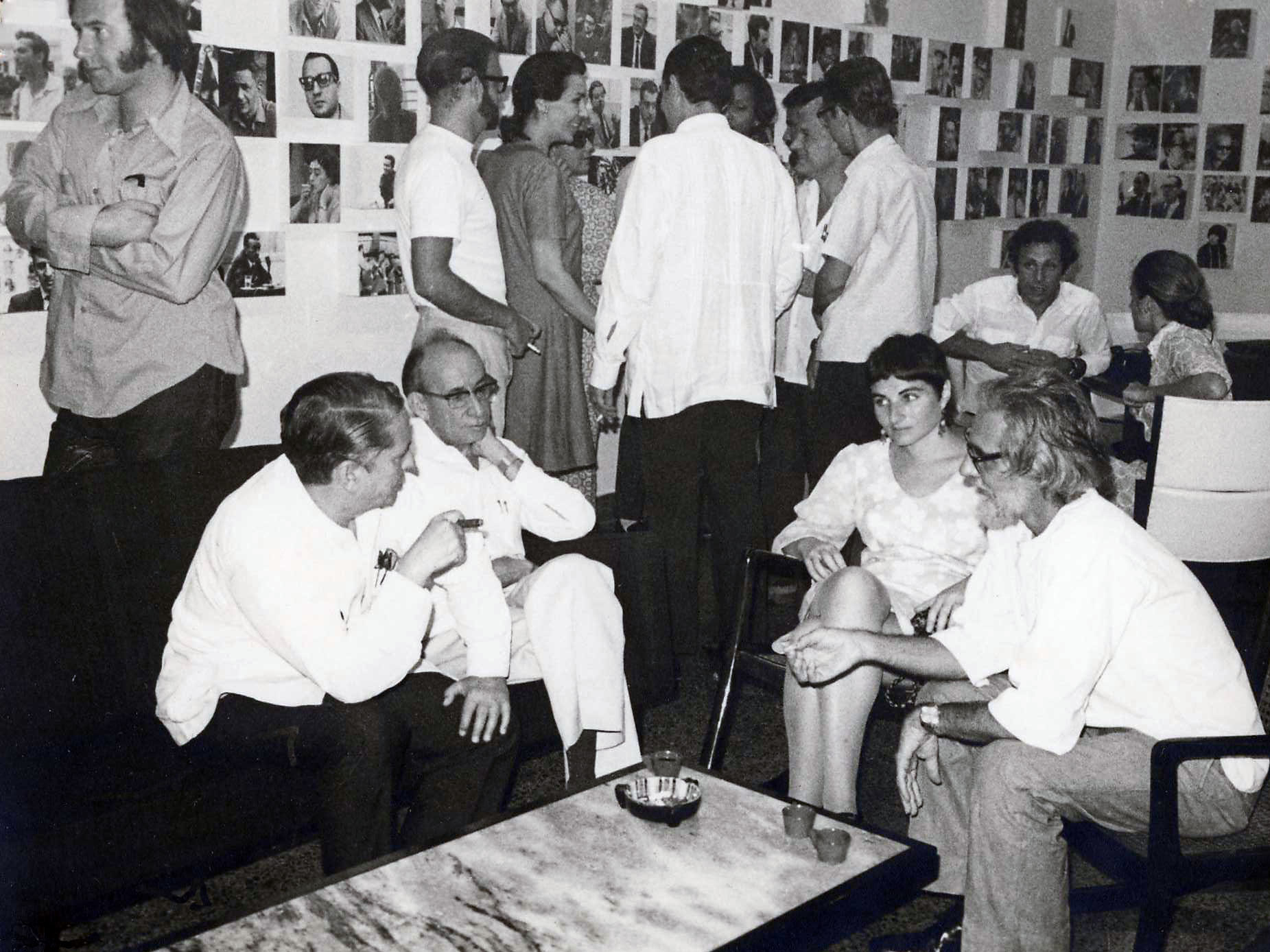
Margaret with Cintio Vitier, Raul Roa, and Ernesto Cardenal, Silvia Gil in background, Havana, c. 1970. 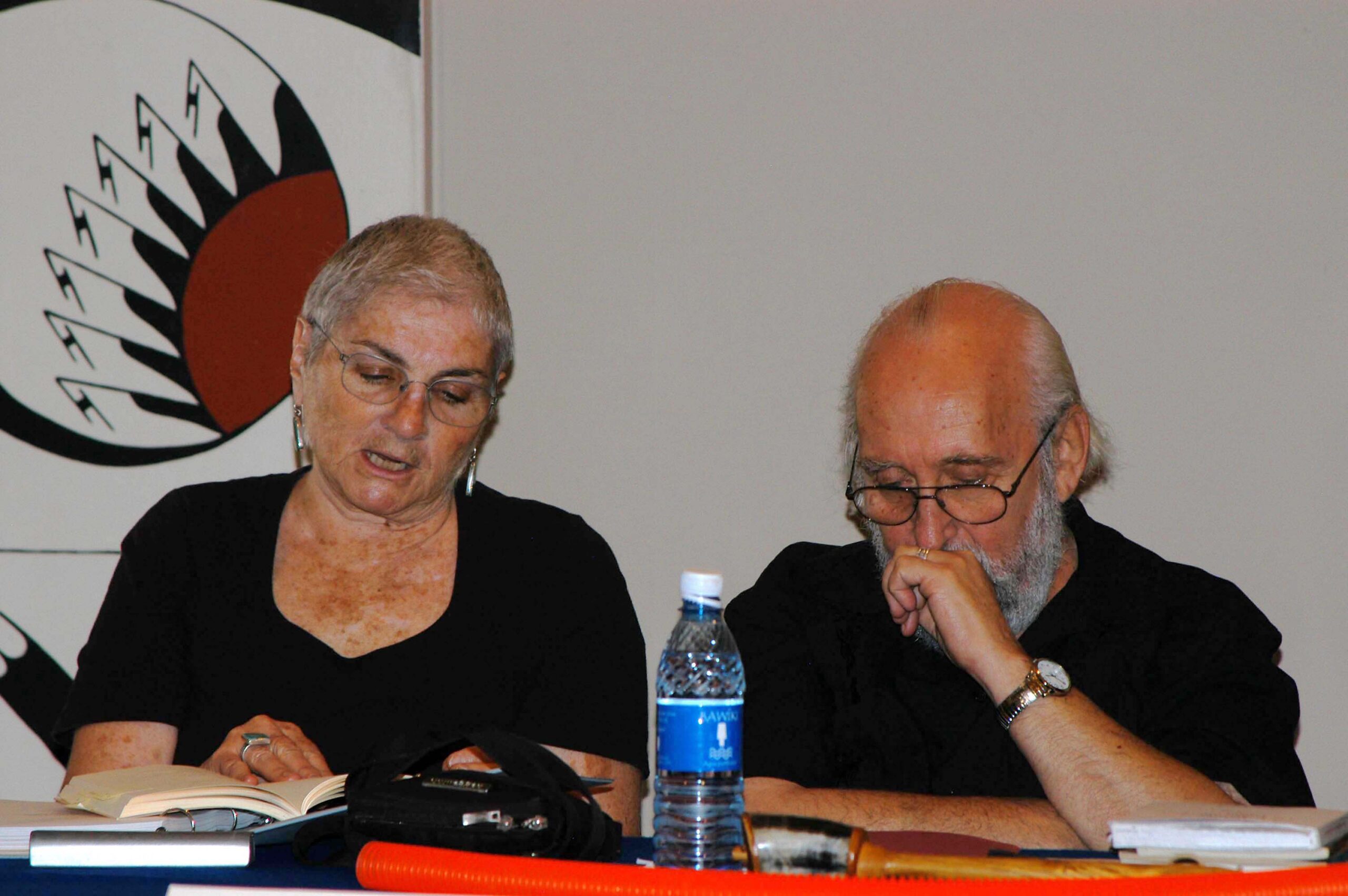
Reading with Jerome Rothenberg at Paquime, Chihuahua, Mexico, c. 2005. 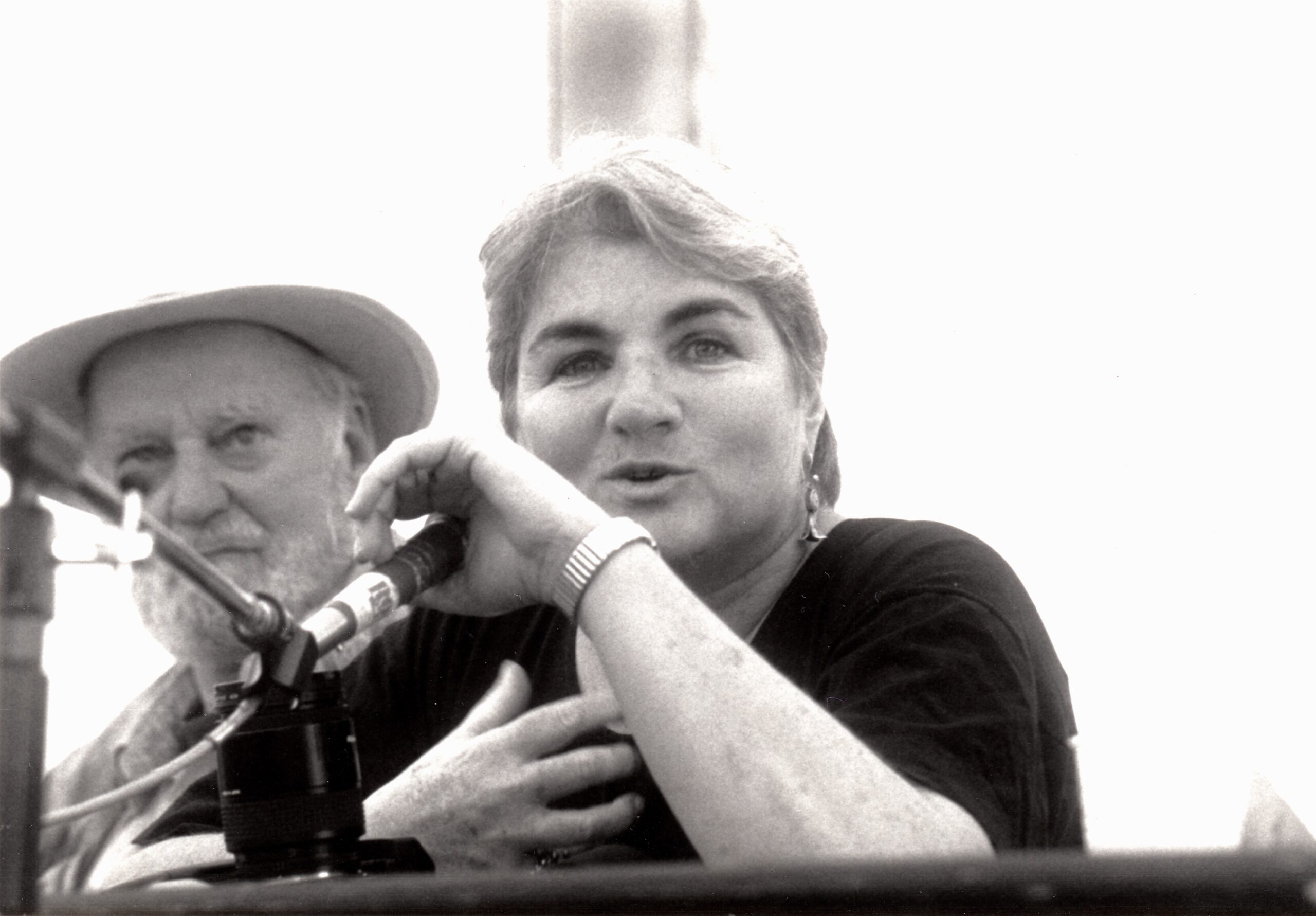
Margaret Randall with Lawrence Ferlinghetti at Naropa 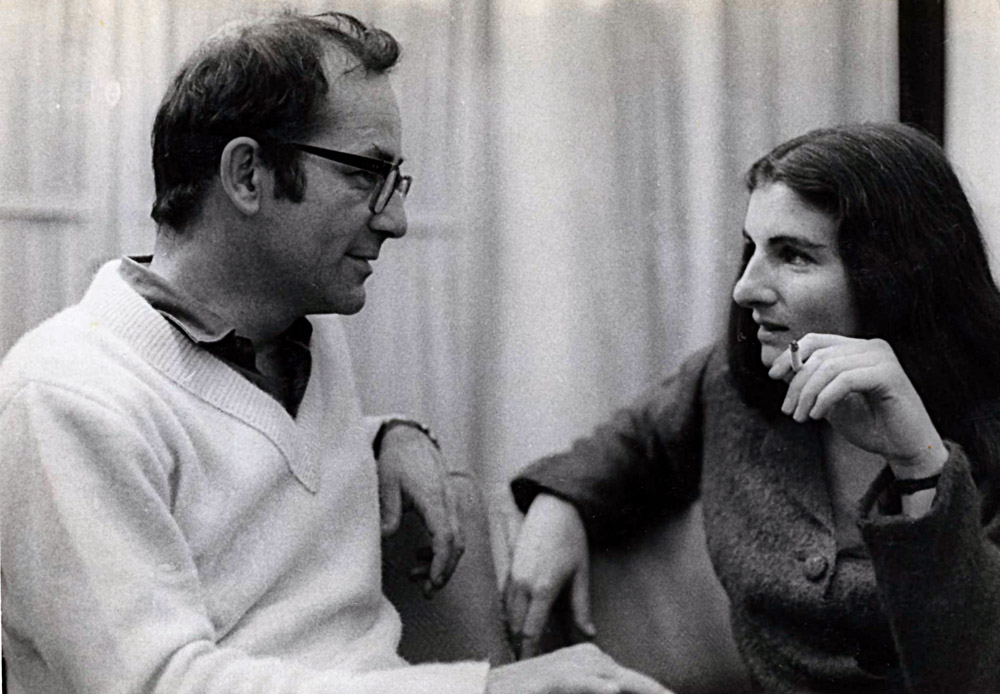
Argentine Rodolfo Walsh and Margaret, Havana, c. 1970. 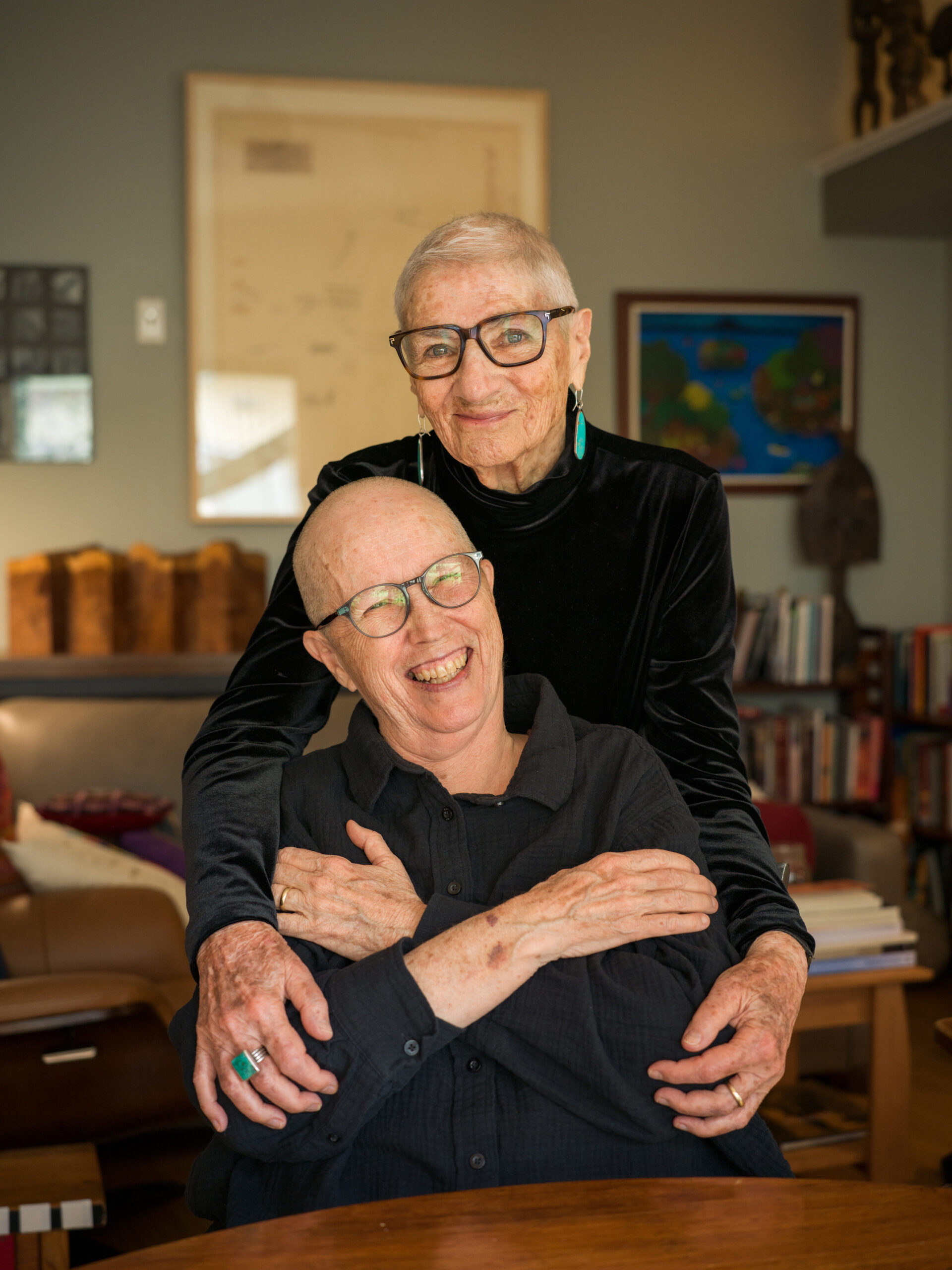
Margaret and Barbara, Photo by Todd Danforth
Author and Editor Bios
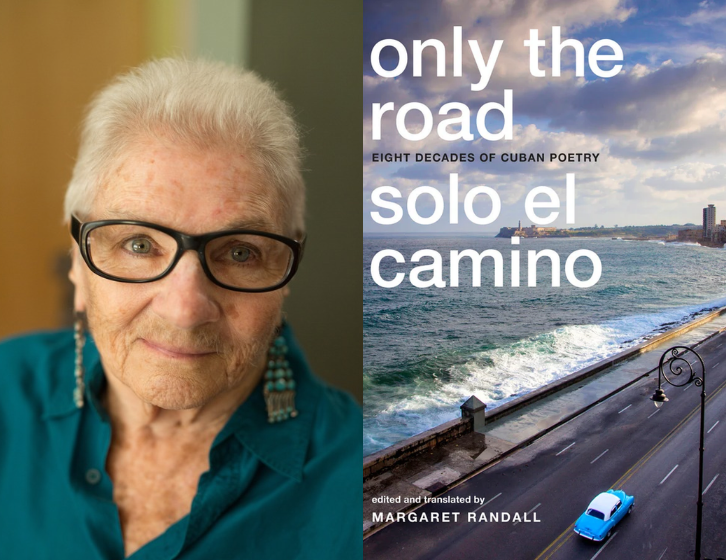
MARGARET RANDALL, poet, photographer, translator, and social activist, was born in New York City and grew up in New Mexico. In the 1960s in Mexico City, she cofounded and edited a bilingual poetry journal, El Corno Emplumado, that published the best work of the decade. Taking active part in the Mexican student movement of 1968 and then living in Cuba for eleven years and Nicaragua for four, Randall returned to the United States in 1984, only to face deportation when the government declared her writings “against the good order and happiness of the United States.” With the support of many, she won her case in 1989. Randall is the author of more than two hundred books, including I Never Left Home: Poet, Feminist, Revolutionary; Artists in My Life; Wild Card (poems); and Letters from the Edge: Outrider Conversations and More Letters from the Edge (based on correspondence from longtime friends). Most recently, out in spring 2026, are: The Calendar’s Whim (poems), Pages Lost and New (essays), and Letters that Breathe Fire (letters published in El Corno Emplumado).
JUDAH RUBIN is a translator, poet, and editor of A Perfect Vacuum. Recent books include translations of Michael Prado’s Bodhisattva in Downtown Lima, Carlos Soto Roman and Carlos Cardani Parra’s Antuco, and Dalmacia Ruiz Rosas Samohod’s Red Lip Peril.

Biographies of People Mentioned In This Interview
Rodolfo Walsh (1927-1977), Argentine journalist and social critic. His book Operation Massacre was one of the first oral histories in Latin America, prompting many others in the genre. Walsh’s daughter was disappeared by the dictatorship of the 1970s and he wrote a public letter accusing the government of the crime. A few days later he too was disappeared.
Juan Velasco Alvarado (1910-1977), Peruvian general who staged a coup and became president of Peru for a few years. He was a Socialist and indigenous rights, land reform, education and healthcare all improved during his administration.
Darcy Ribeiro (1922-1997), Brazilian social anthropologist, historian, author and politician who participated in the university reform movement throughout Latin America. As a result of Brazil’s 1964 dictatorial takeover, he lived for many years in exile.
Cora Sadosky (1940-2010), Argentine mathematician known for her contributions to harmonic analysis and operator theory. In exile from Argentina’s dictatorships of the 1970s and ‘80s, she taught mathematics at Howard University in Washington DC.
Stefano Varese (1939), Italia Peruvian anthropologist specializing in indigenous cultures and land rights. He is professor emeritus at the University of California, Davis.
Ruth Behar (1956), Cuban American anthropologist, oral historian and writer; the first Latina woman to win a MacArthur Fellowship.
Ernesto Cardenal (1925-2020), Nicaragua’s greatest contemporary poet. He was also a Catholic priest and first Minister of Culture in Nicaragua. His book-length poem, Cosmic Canticle, is only one of many important works.
Cintio Vitier (1921-2009), Cuban poet and devout Catholic who, nonetheless, remained loyal to the Cuban Revolution.
Washington Delgado (1927-2003), Peruvian poet, essayist, and professor.
Roque Dalton (1935-1975), important poet and writer from El Salvador. He lived in exile for many years and in his late 30s returned clandestinely to join the armed struggle for his country’s liberation. In May 1975, he was murdered by a faction of his own organization.
Felix Rubén García Sarmiento, known as Rubén Darío (1867-1916), important Modernist poet from Nicaragua. His influence on Spanish language poetry cannot be overemphasized and in 1967 his hundredth anniversary was celebrated in several countries.
Roberto Fernández Retamar (1930-2019), important Cuban poet and essayist. Following Haydée Santamaría’s death, he became director of Casa de las Américas. His most influential essay is “Caliban: Notes Toward a Discussion of Culture in Our America,” translated into many languages.
Haydée Santamaría (1922-1980), the only woman who participated in every phase of the Cuban revolution. Following victory, she founded and, until her death, directed, Casa de las Américas, Cuba’s preeminent arts institution. She committed suicide in 1980.
Heberto Padilla (1932-2000), Cuban poet who became extremely critical of the revolution, reflected in his award-winning book Out of the Game. The Cuban government briefly imprisoned him, after which he delivered an embarrassing mea culpa and eventually emigrated to the United States. The “Padilla case” split the allegiance of intellectuals both in and outside Cuba.
Antonio Benítez (1931-2005), Cuban novelist who emigrated to the United States whose work has been widely translated.
Arturo Arango (1955), Cuban novelist, critic and script writer who lives in Havana but travels widely to teach.
Elaine de Kooning (1918-1989), abstract expressionist painter and critic.
Sergio Mondragón (1935) , Mexican poet with many books and awards. He and Margaret Randall founded, and for eight years in the decade of the 1960s, edited the bilingual literary journal El Corno Emplumado / The Plumed Horn.
Robert Cohen (1947), US American poet and political activist. For many years he was a speechwriter for UNICEF and is the father of Margaret Randall’s youngest daughter, Ana.
Katherine M. Hedeen (1971), prize-winning translator of Spanish language poetry whose translations of Juan Gelman, Jorgenrique Adoun and Fina García Marruz are particularly noteworthy. She teaches at Kenyon College.
Víctor Rodríguez Núñez (1955), Cuban poet who lives half the year in his native country and half in Ohio, where he is a professor emeritus at Kenyon College. His books have been translated into dozens of languages, and he travels frequently to read his work.
Juan Gelman (1930-2014), Argentine poet, generally considered one of the finest of his generation.
Jorgenrique Adoum (1926-2009), from Ecuador and one of the great poets of his generation whose work has been widely translated.
Louise Popkin taught translation at Harvard University. She is a Boston-based translator of Spanish language poetry with ties to Uruguay. Her translations of Mario’s Benedetti’s poetry are prize-winning.
Mario Benedetti (1920-2009), Uruguay’s greatest poet who also wrote novels and short stories. His work reflects the lives of ordinary people: office workers, students, housewives.
Philip Lamantia (1927-2005), Surrealist poet of the San Francisco Renaissance often linked to the Beats. Among his many books: Erotic Poems (1946), Ekstasis (1959), Selected Poems 1943-1966), and The Collected Poems of Philip Lamantia (2013).
Carlos María Gutiérrez (1926-1991), Uruguayan journalist and poet whose Prison Poems won Casa de las América’s 1970 prize for poetry.
Arnaldo Orfila (1897-1998), Argentine intellectual and book publisher who lived for many years in Mexico where he was the director of El Fondo de Cultura Economia and then founded his own publishing house, Siglo XXI.
Laurette Séjourné (1914-2003), born in Italy, emigrated to France and finally to Mexico where she contributed notably to the study of Mesoamerican culture.
Martha Helion (1937), Mexican architect, set designer, and radical publisher.
Felipe Ehrenberg (1943-2017), important Mexican visual artist, radical publisher and diplomat who designed several covers for El Corno Emplumado.
Ramón Martínez Grandal (1950-2017), born in Cuba, emigrated to Venezuela and eventually to Miami where he died in 2017. In 1978 I apprenticed to him, learning photography under his tutelage.
Nancy Macdonald (1910-1996), director of Spanish Refugee Aid, an independent organization that cared for the Republican refugees from the Spanish Civil War.
Hannah Arendt (1906-1975), German American intellectual and one of the principal theorists of the 20th century.
Dwight Macdonald (1906-1982), public intellectual who edited Partisan Review and wrote for The New Yorker in the 1950s and ‘60s.
Margaret DeSilver, widow of Albert DeSilver, one of the founders of the ACLU. After his death, she continued his work.
William Carlos Williams (1883-1963), one of the most influential US American poets of the 20th century and also a practicing physician.
Jerome Rothenberg (1931-2024), poet, translator and student of indigenous cultures.
Robert Creeley (1926-2005), US American poet and key member of what came to be called the Black Mountain school of poets in the 1950s.
Adrienne Rich (1929-2012), one of the most influential poets of the 20th century and an important feminist who wrote ground-breaking essays. She famously declined the National Medal of Arts in protest over the Republican defunding of the National Endowment for the Arts.
Audre Lorde (1934-1992), lesbian feminist poet, memoirist, and social activist.
Sonia Sanchez (1934), poet and one of the leading figures in the Black Arts Movement.
Pat Parker (1944-1989), Black lesbian feminist poet and activist.
Alice Walker (1944), African American novelist whose breakthrough novel, The Color Purple, was made into a ground-breaking film.
Minnie Bruce Pratt (1946-2023), lesbian feminist poet whose landmark 1990 collection, Crimes Against Nature, detailed the experience of losing her children because of her lesbian identity.
Barbara Kingsolver (1955), prize-winning US American novelist whose books include The Beantrees, The Poisonwood Bible, and Demon Copperhead. The latter won the Pulitzer Prize for fiction in 2023.
Mark Behr (1963-2015), South African novelist. Among his novels are The Smell of Apples and Embrace. During his country’s anti-apartheid struggle he worked as a spy for the racist government but came to understand that he was on the wrong side of history and turned double agent. He later made important contributions to queer theory, intersectionality and studies of masculinity.
Cecilia Vicuña (1948), Chilean poet, visual artist and performer based in New York and Santiago de Chile whose work can be found in many of the world’s major museums.
Claudio Bertoni (1946), Chilean poet and photographer.
Stan Perksy (1941-2014), US writer and social critic who emigrated to Canada. He was a queer activist and commentator and wrote about the fall of Eastern European Communism.
Anne Waldman (1945), poet, performer, and one of the founders of the Jack Kerouac School of Disembodied Poetics at Naropa University in Boulder, Colorado.
Roberto Tejada, poet, cultural critic, art historian and professor at Houston University in Texas. Among his books are Why the Assembly Disbanded and Still Nowhere in an Empty Vastness. He lived in Mexico City for several years where he was Octavio Paz’s personal secretary.
Cedar Sigo (1978), queer Suquamish poet from the state of Washington. Among his books are Royals and Stranger in Town. He travels widely to read and teach.
Dora María Téllez (1955), Nicaraguan historian and Sandinista military commander in her country’s 1970s war against the Somoza dictatorship. Following victory, she was Minister of Public Health and then a senator, before splitting with the Sandinistas and helping to found the Movement of Sandinista Renovation. She currently lives in exile in Spain.
Michael Ratner (1943-2016), important leftist lawyer, for a time president of the National Lawyers Guild and head of the Center for Constitutional Rights. He was one of the three lawyers who defended Margaret Randall during her immigration case.
Susan Sherman (1939), US American lesbian feminist poet and essayist whose memoir, America’s Child, was enthusiastically reviewed in the New York Times. In the 1960s and 1980s she founded and edited two runs of the important literary magazine, I.KON.
Paco Urondo (1930-1976), Argentine poet and political activist who was gunned down by government forces much too young.
José Benito Escobar (1936-1978), Sandinista leader during the struggle against the Somoza dictatorship who was captured and killed shortly before the end of the war. The Nicaraguan labor movement bore his name until the Ortega/Murillo dictatorship replaced the original Sandinistas.
Carlos Fonseca (1936-1976), leader of the Sandinista National Liberation Front (FSLN) in the struggle against Somoza who was killed in battle shortly before victory.
Ana Marie Aquash (1945-1975), Mi’kmaq tribal member, First Nations activist who belonged to the American Indian Movement (AIM). In December 1975 she was murdered by two AIM members who suspected her of being an FBI informant. They were convicted of the crime, but the truth of what happened has never been completely clear. Aquash left two young daughters.
M. Gessen (1967), formerly known as Masha Gessen, they are a Russian American journalist and social commentator who writes extensively about LBGT rights.
Raul Zurita (1950), Chilean poet and one of the great voices of his generation who has won every major literary prize in the Spanish language. His work draws on his experience of imprisonment and torture at the hands of the Pinochet dictatorship.
Gioconda Belli (1948), Nicaraguan poet and novelist active in the Sandinista movement of the 1970s and ‘80s. Many of her poems have been set to music and become hymns to struggle. Like many of her countrypeople she has been exiled by the Ortega/Murillo dictatorship and currently resides in Spain.
Nazim Hikmet (1902-1963), Turkish poet who spent most of his adult life as a political prisoner.
Doris María Tijerino (1943), one of the first Nicaraguan women to participate in the Sandinista struggle against the Somoza dictatorship; she held several important posts in the new government, including that of National Chief of Police, the first woman to hold that position in Nicaragua.
Rigoberto López Pérez (1929-1956), Nicaraguan poet and composer who made an attempt on the life of Somoza’s father, the first in the dictatorial family. López Pérez was shot and killed in the act.
Daniel Ortega (1945), one of the Sandinistas who led the FSLN to victory over Somoza in 1979. Following victory, he was one of the nine-member group of commanders who ruled the country. He then served as president until he was voted out of office in 1990. Since then, he managed to eliminate everyone who aspired to run against him, regained power in 2007 and has retained it since. He has designated his wife, Rosario Murillo, co-president and they are considered as brutal as the Somoza regime was, if not more so.
Allen Ginsberg (1926-1997), US American poet, the most important voice of the Beats, and author of the iconic poem “Howl.” He was also a social activist and early advocate of gay rights. He, Anne Waldman and Diane Di Prima founded the Jack Kerouac School of Disembodied Poetics at Naropa University.
Raquel Jodorowsky (1927-2011), Peruvian poet whose unique voice marked a generation. She was the only woman aside from me who attended Philip Lamantia’s nightly poetry salons in Mexico City in 1961. El Corno Emplumado devoted its issue #12 to her bilingual collection Ajy Tojen.
Joaquín Sánchez MacGregor (1925-2008), Mexican poet and philosopher.
About Lost & Found Mouth to Word
Building on Lost & Found’s working motto, “follow the person,” our new series, Mouth to Word, moves from live encounter to printed text. Projects may take the form of transcribed interviews or lectures and include newly researched archival material related to the encounter. Adding to our chapbook series and collaborative work in Lost & Found. Elsewhere, Mouth to Word adds a new dimension to our collaborative approach to the presentation of archival research. Lost & Found is published by the Center for the Humanities at the CUNY Graduate Center. For more information, visit lostandfoundbooks.org.
Related Events
Book Launch, Conversation & Reading
Letters from the Edge: Outrider Conversations with Margaret Randall


Conversation
Haydée Santamaría Cuban Revolutionary: She Led by Transgression

